Styx Sets the Stage, Chicago Brings it Home
Two Windy City Legends Light Up The Cynthia Woods Mitchell Pavilion in The Woodlands, Texas
By Honey Rumbles / Jeff Arnhart Photography
Thursday
evening, August 20, 2026 in The Woodlands was the perfect setting for a
night built around two legendary bands with deep roots in the same
musical city. Long before the first note was played, the co-headline
pairing of Styx and Chicago carried a sense of musical symmetry.
Both
bands emerged from Chicago's vibrant music scene in the late 1960s,
both helped redefine what rock music could sound like and both built
catalogs that have continued to resonate across generations. On this
night, Styx had the honor of
going first, taking the stage as the opening act and immediately
reminding the audience that there is nothing “opening act” about a band
with this much history.
“On a warm Houston night, Styx didn't warm up the crowd - they turned up the temperature.”
STYX: THE GRAND ILLUSION STILL STANDS
Styx's story began in Chicago long before the band became an arena-rock institution. The roots of Styx
stretch back to the early 1960s, when Dennis DeYoung, twin brothers
John and Chuck Panozzo and guitarist John “J.C.” Curulewski began
developing the musical identity that would eventually become Styx.
The group initially performed as The Tradewinds before evolving into
TW4. James “J.Y.” Young joined in 1970 and when the group signed with
Wooden Nickel Records in 1972, TW4 became Styx.
That early Styx
lineup consisted of Dennis DeYoung on keyboards and vocals, John
Panozzo on drums, Chuck Panozzo on bass, John Curulewski on guitar and
vocals and James Young on guitar and vocals. Each of those musicians
left an indelible mark. DeYoung became one of the band's principal
songwriters, keyboardists and vocalists. John Panozzo provided the
original rhythmic foundation until his death in 1996. Curulewski played
on the band's first five studio albums before departing in 1975 and was
replaced by a young guitarist named Tommy Shaw, whose arrival would
help usher Styx into its most commercially successful era.
“Before Styx conquered arenas, it was a Chicago neighborhood band built around friends, family and ambition.”
The band's transformation accelerated with albums such as The Grand Illusion, Pieces of Eight and Paradise Theatre,
records that blended progressive-rock ambition with melodic songwriting
and arena-sized hooks. Today that history continues through a current
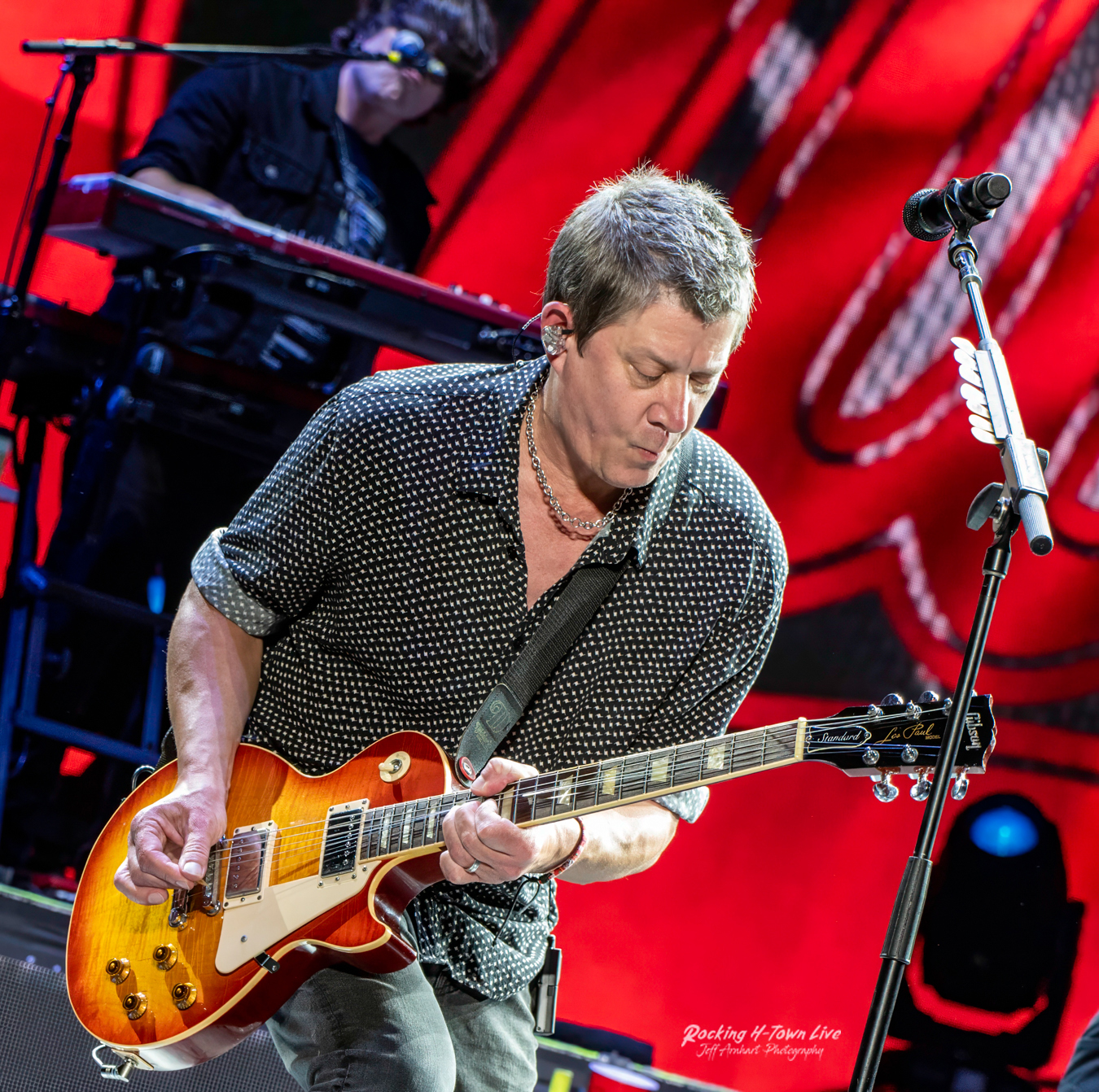
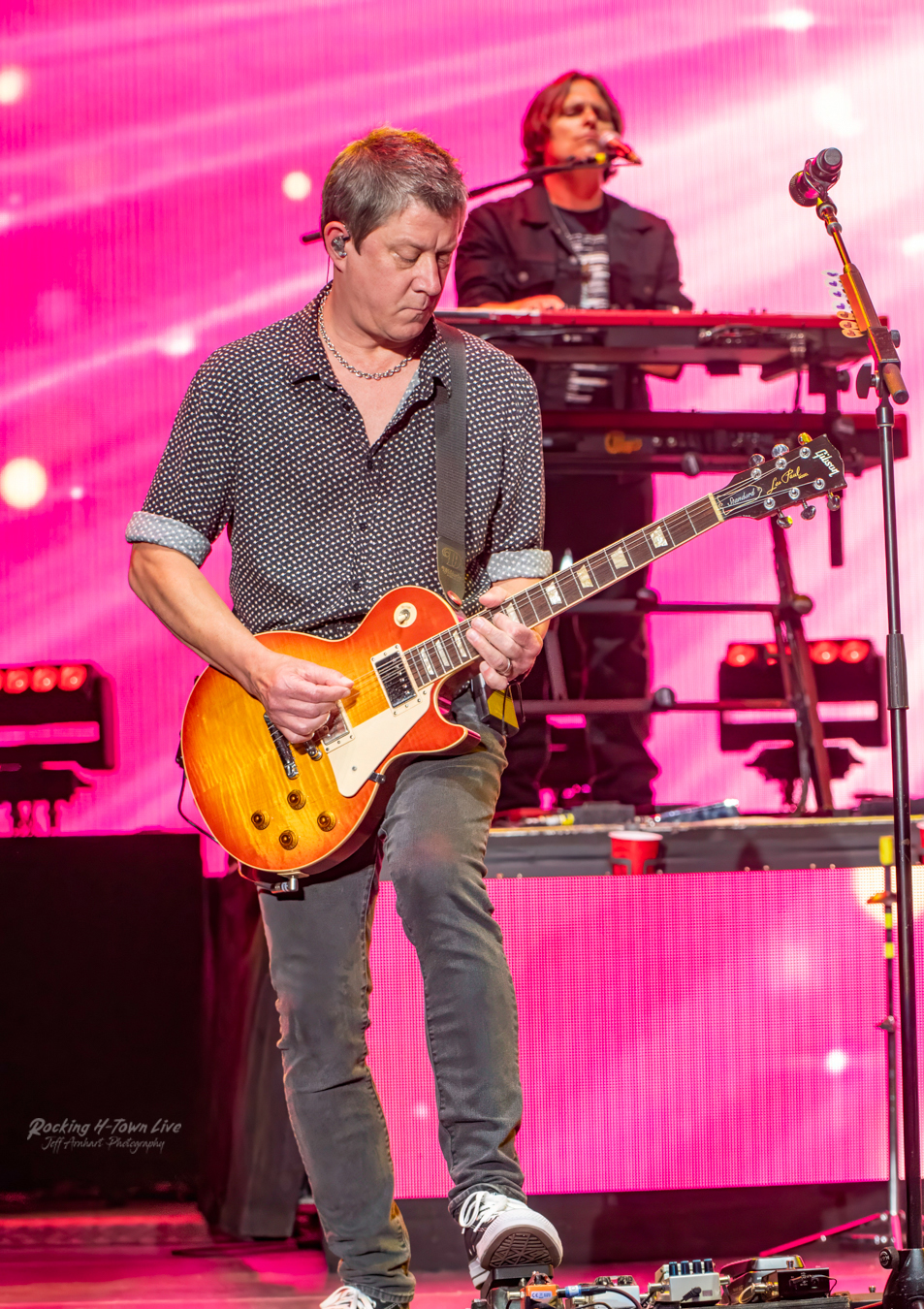
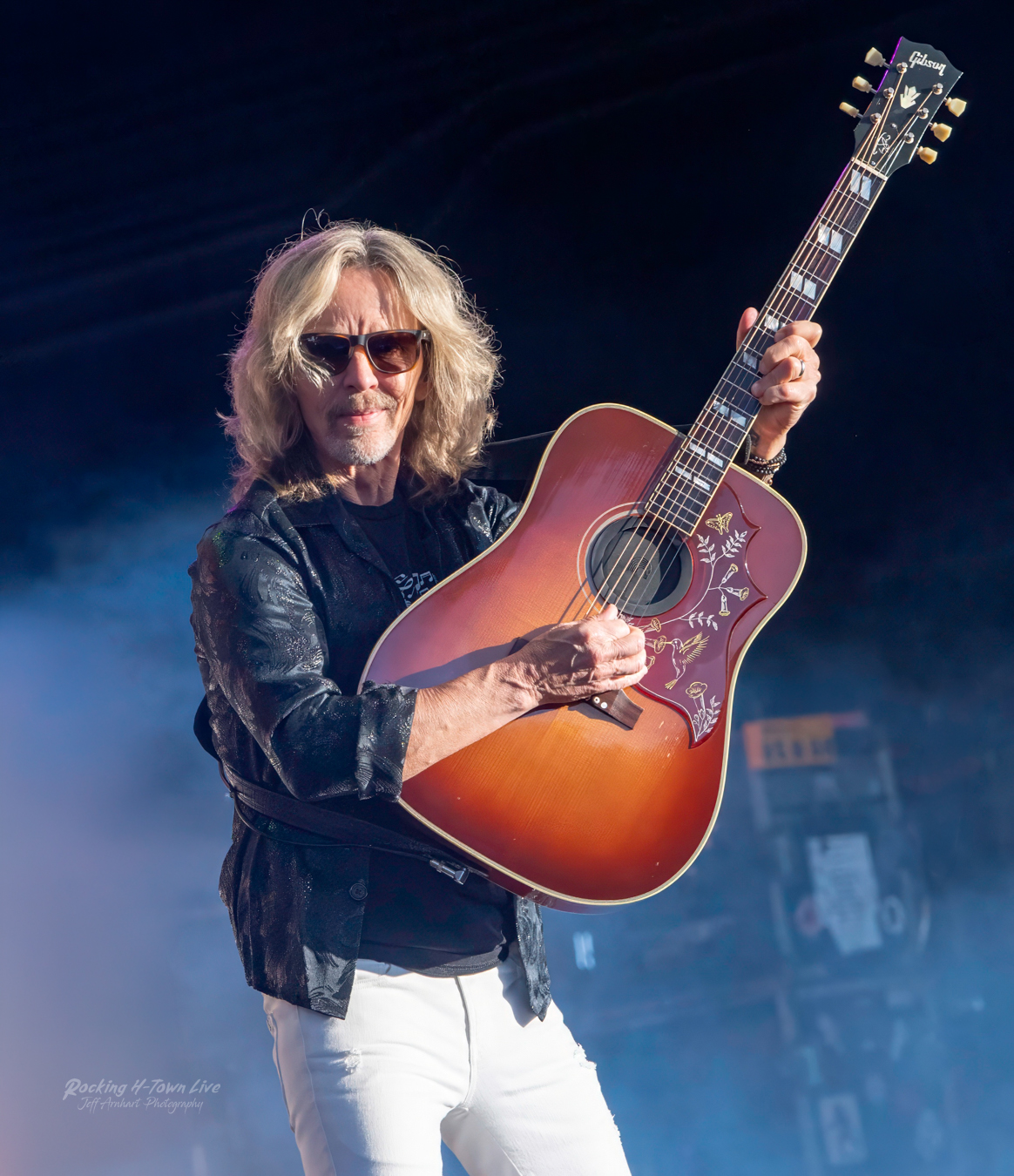
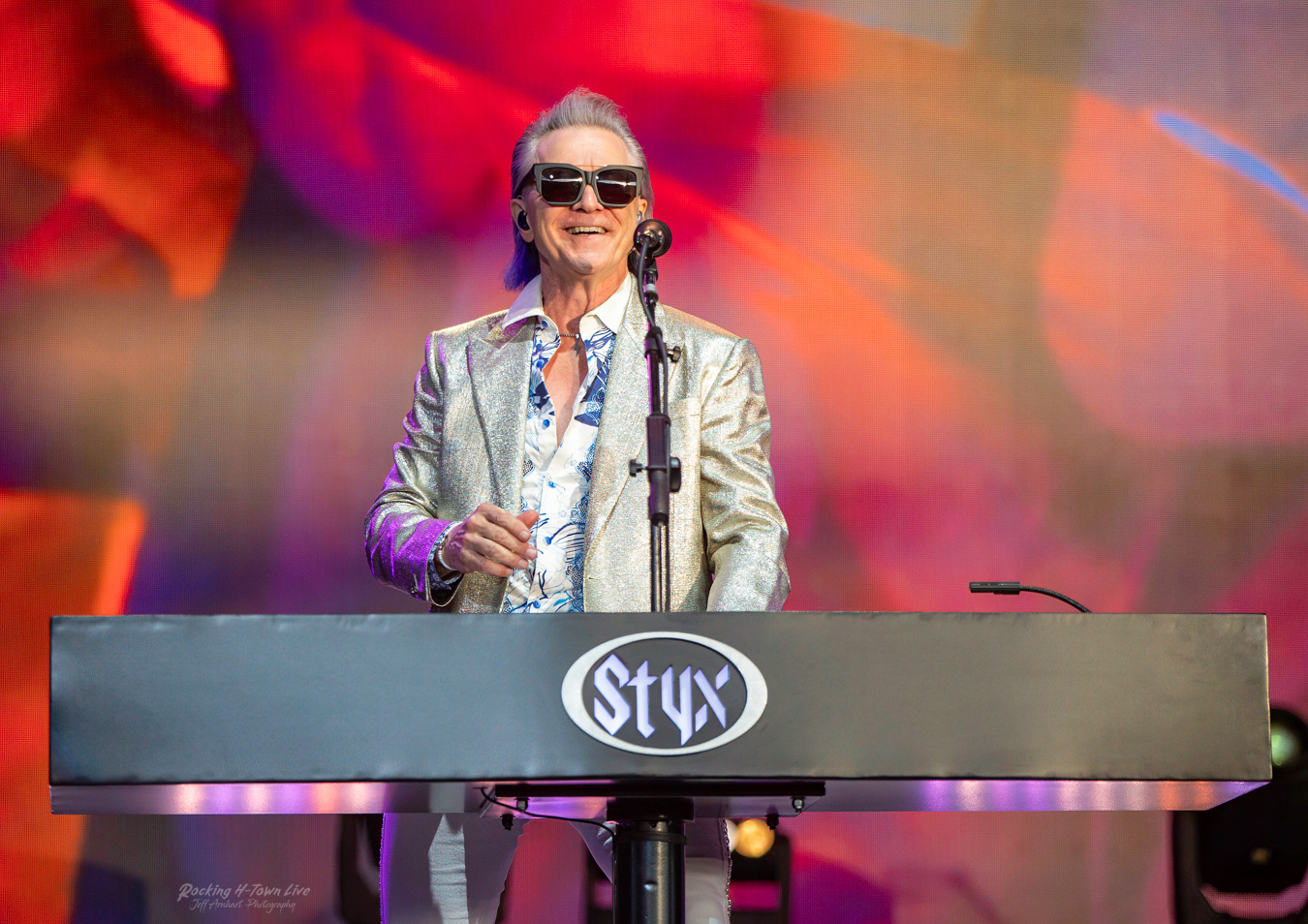
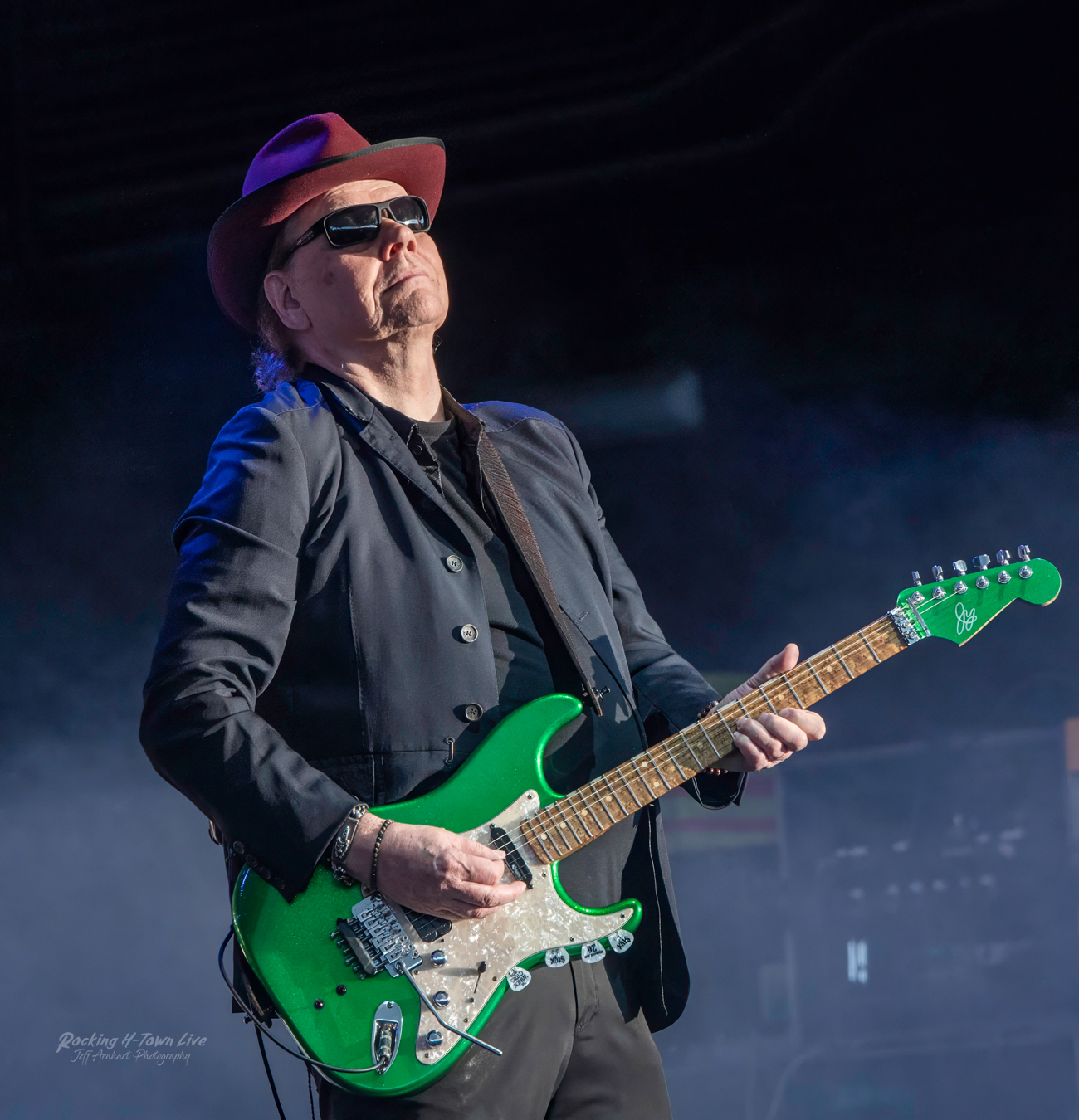
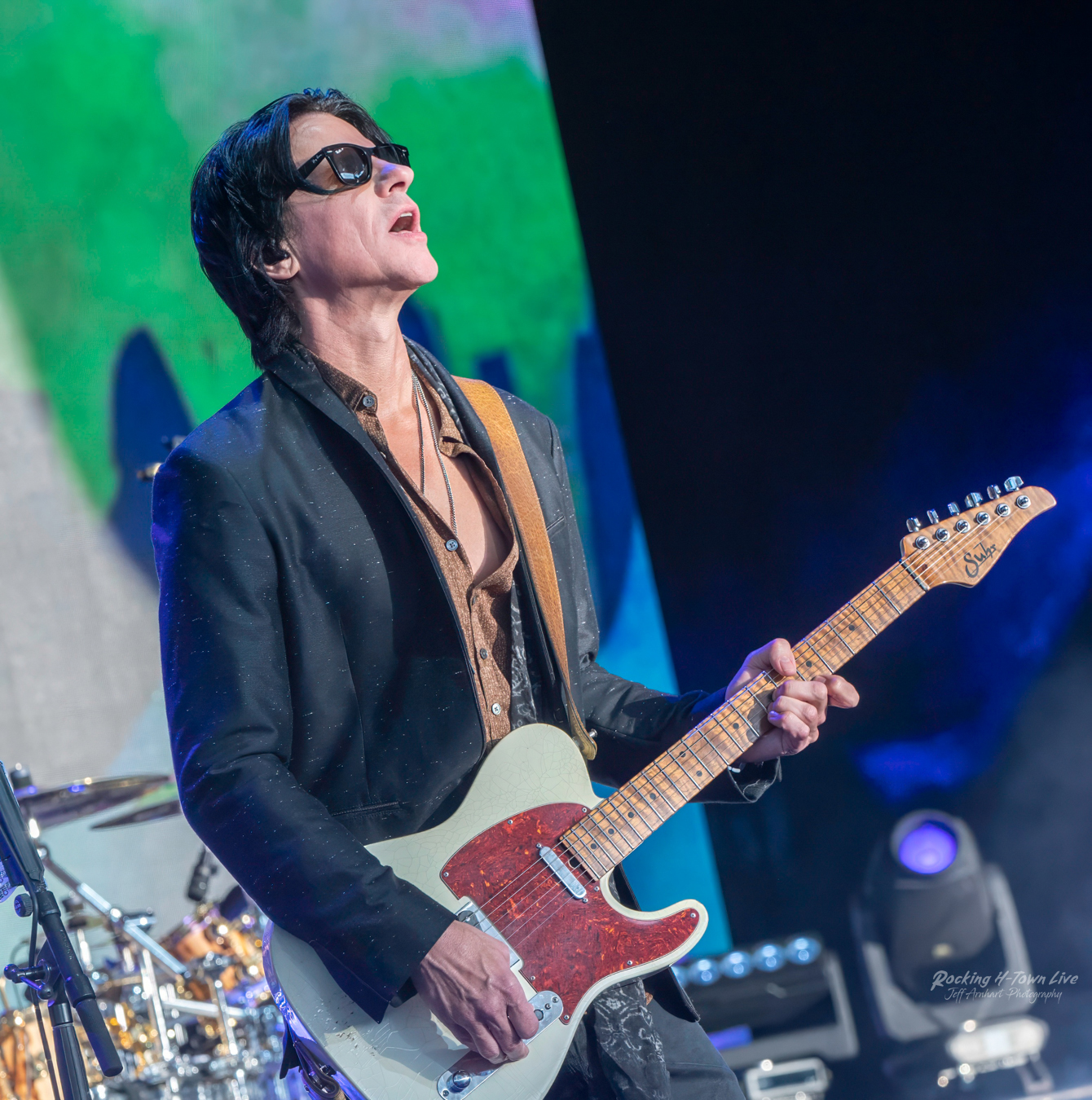
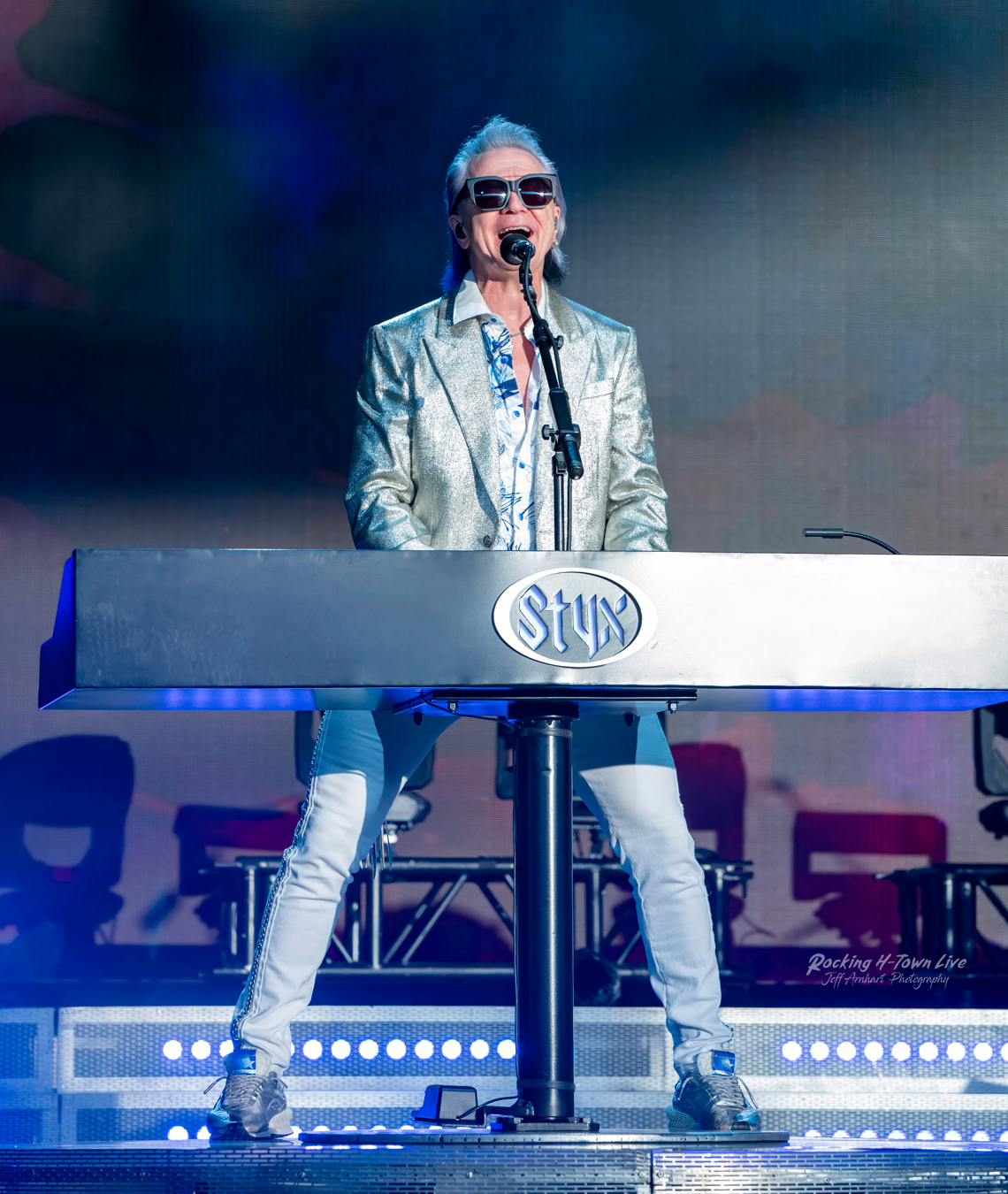
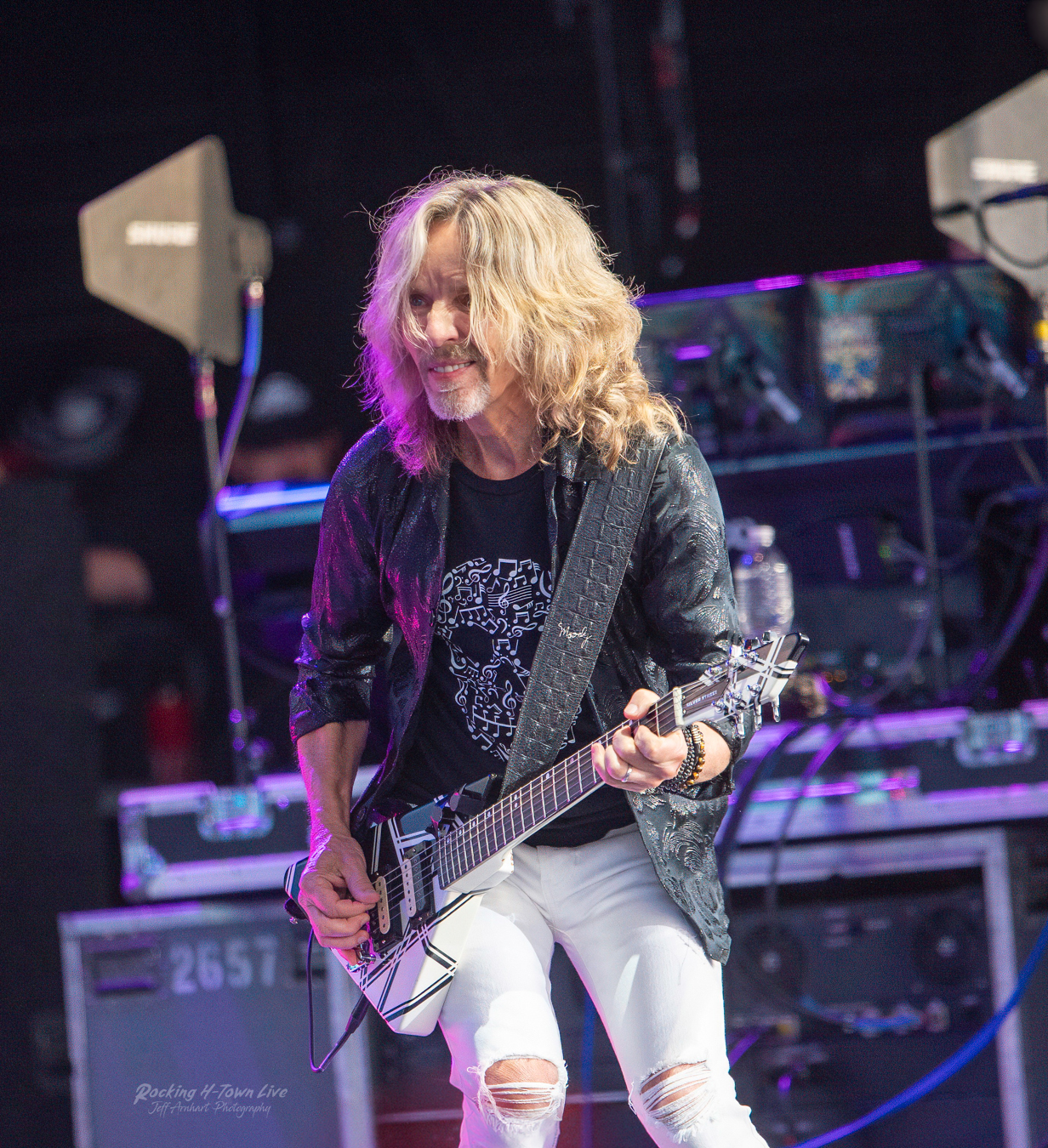
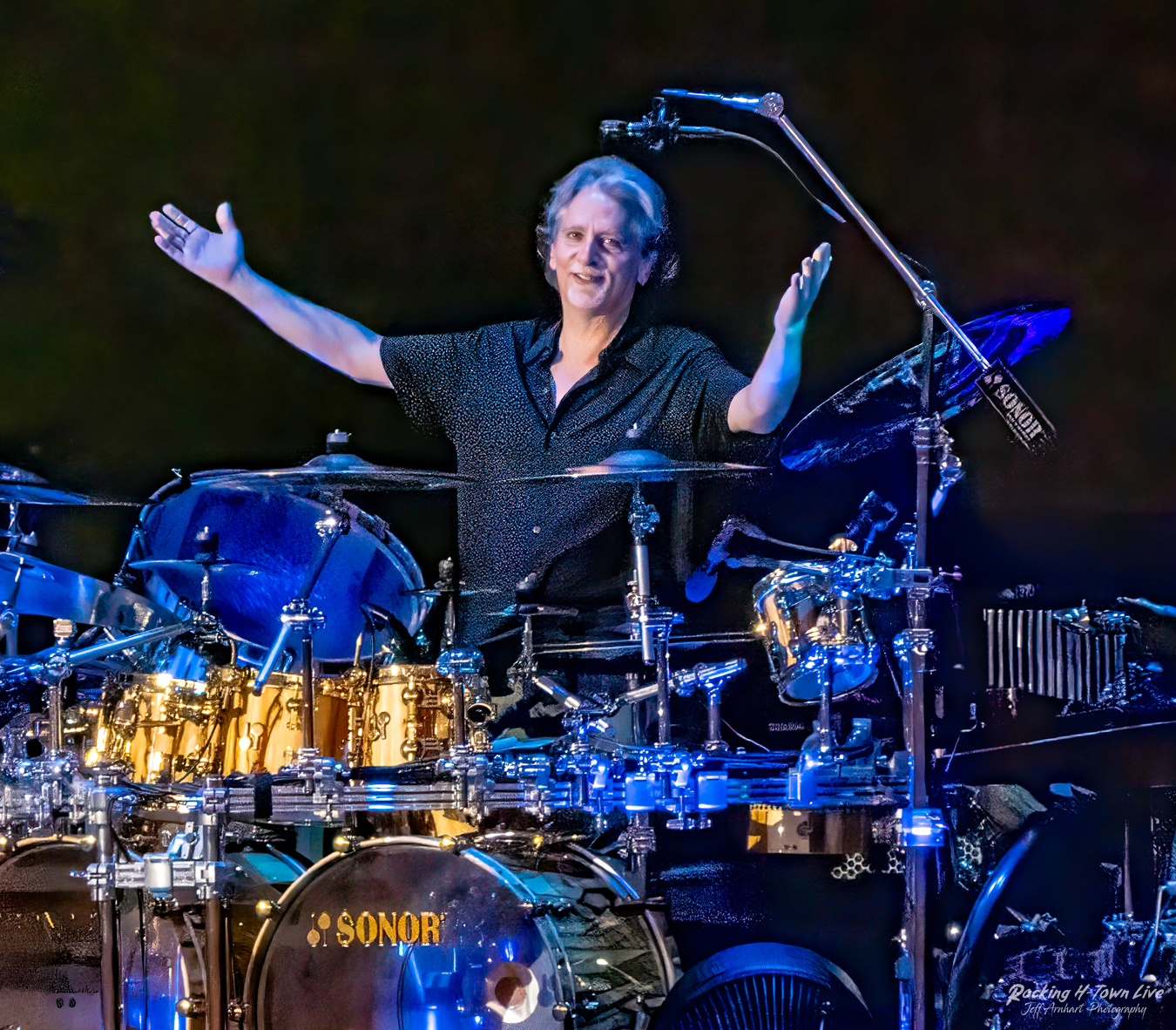
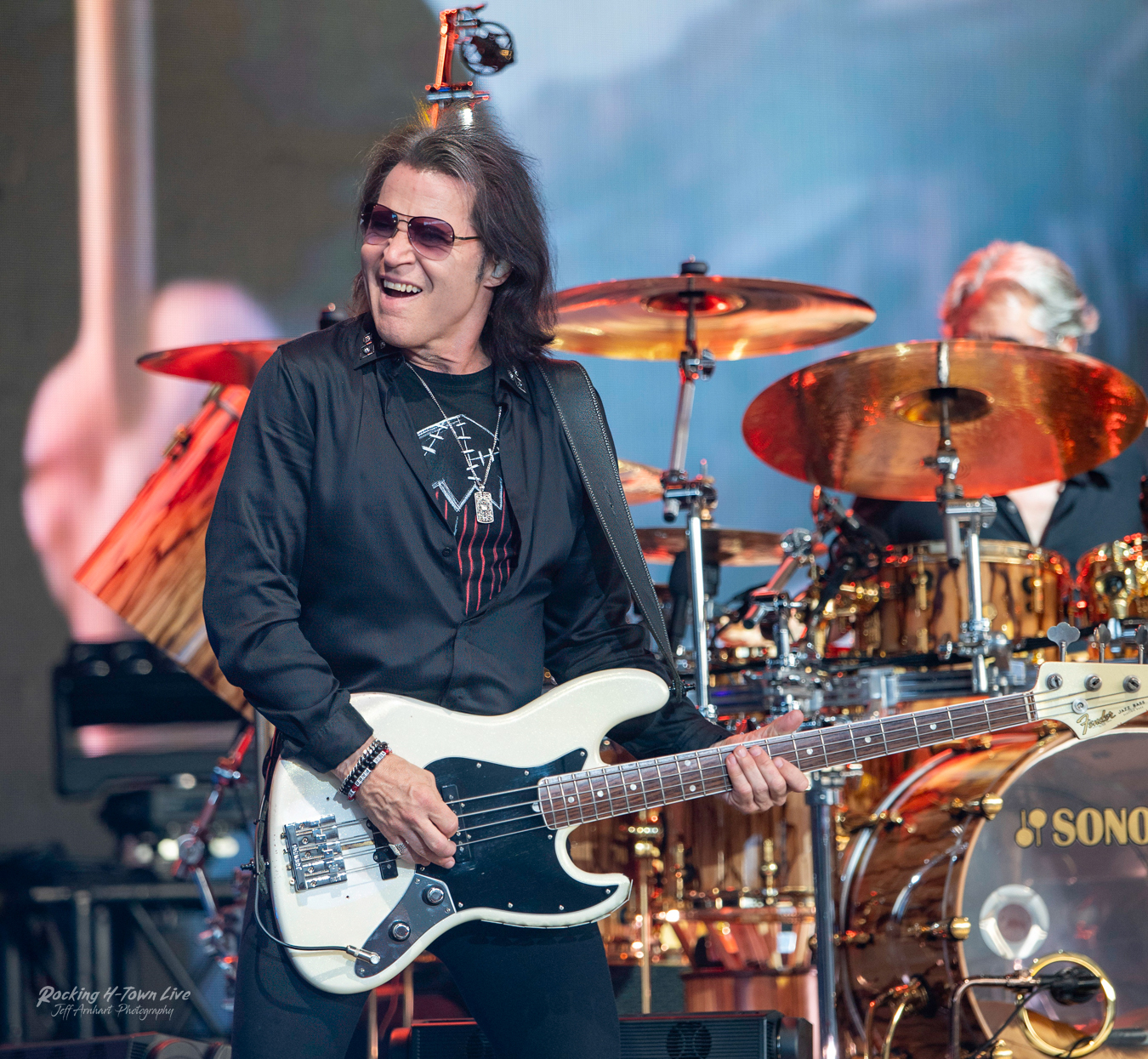
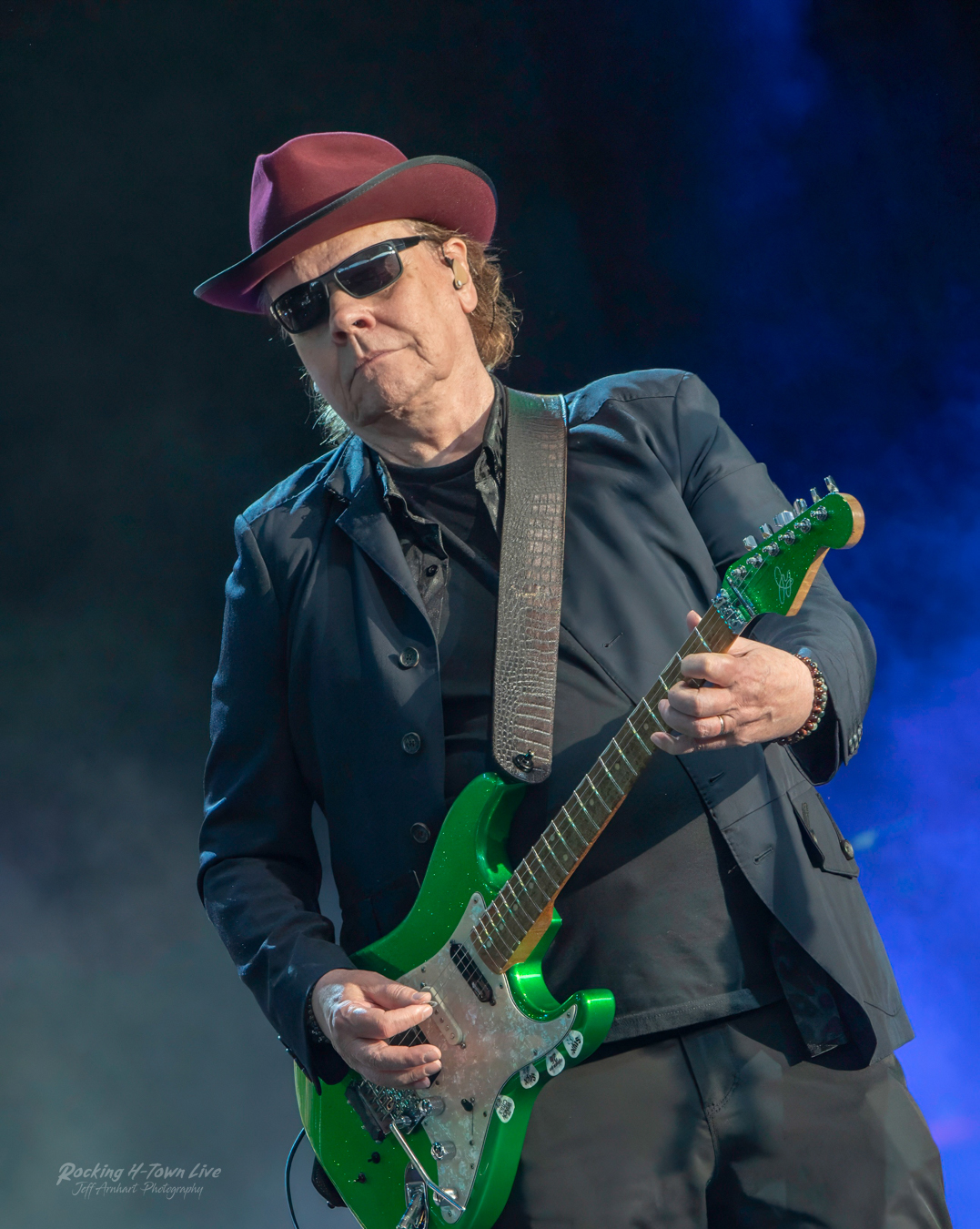
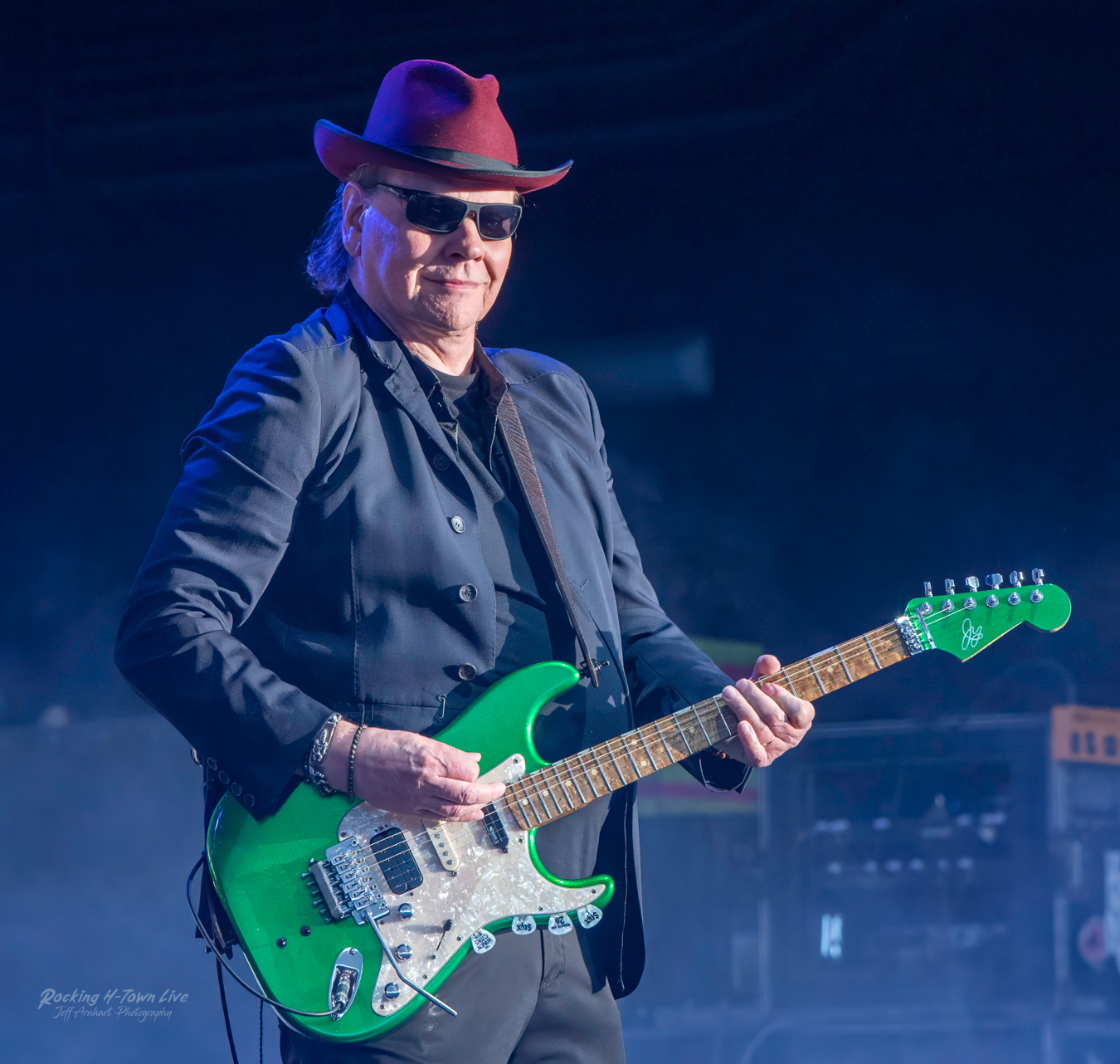
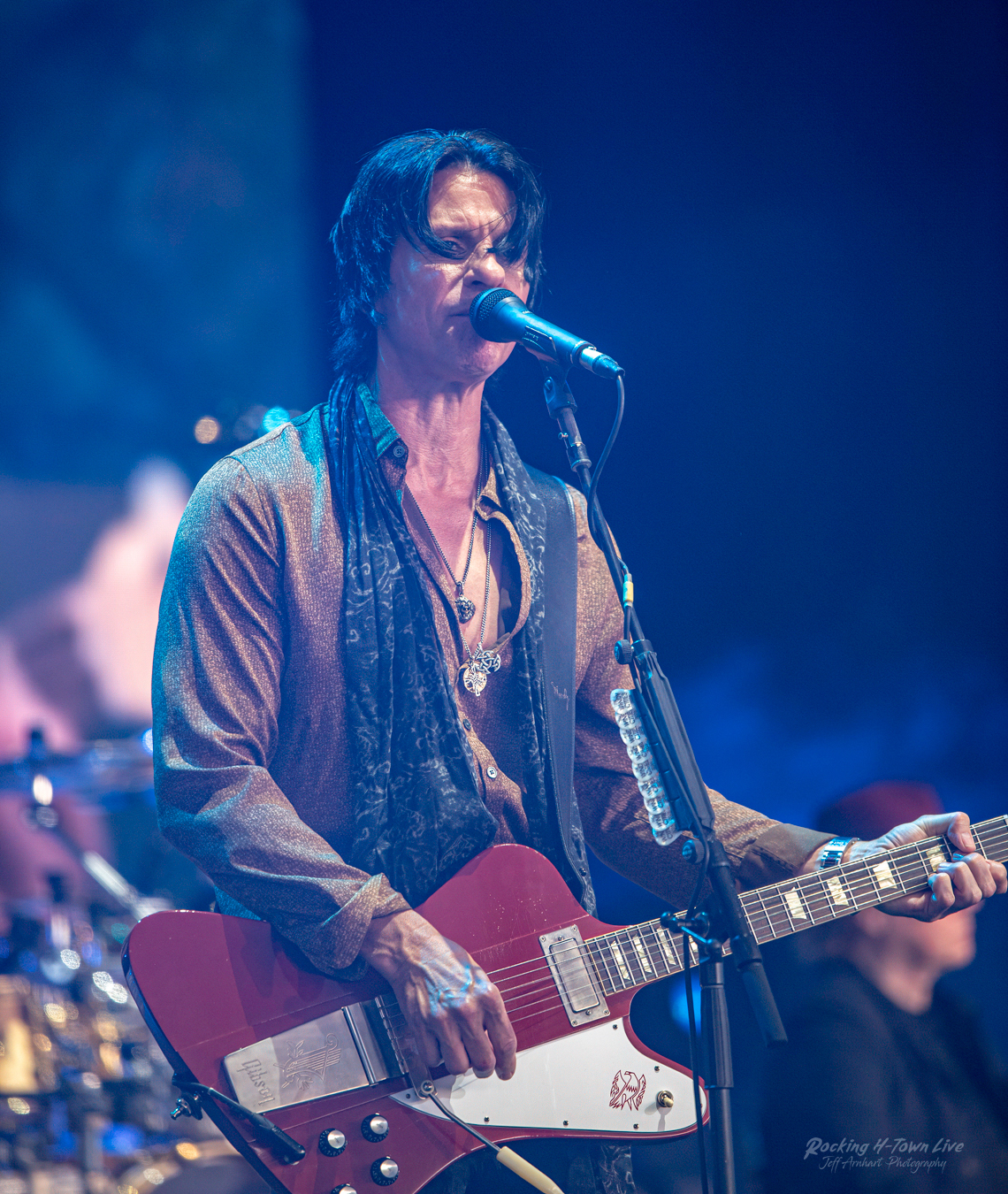
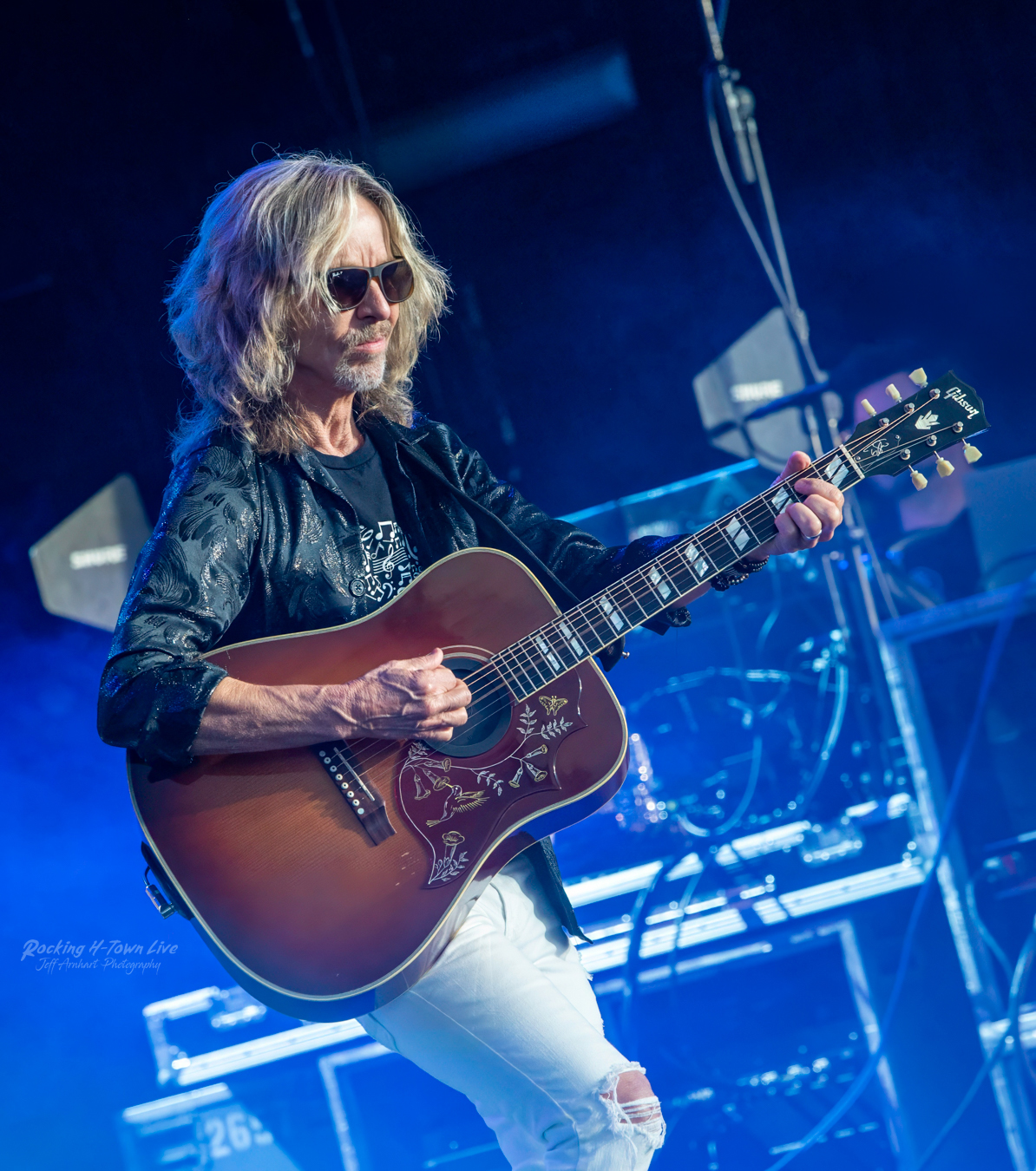
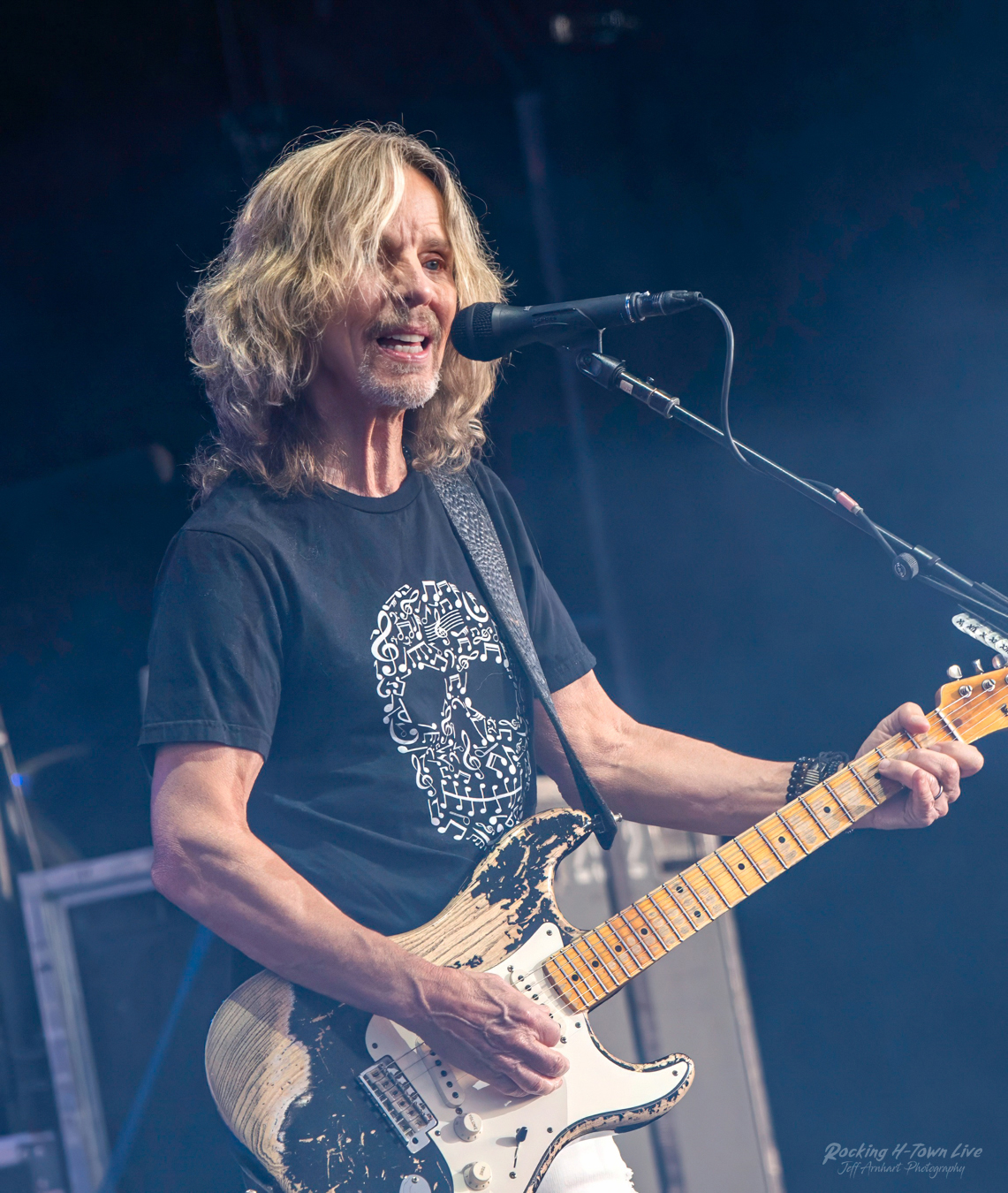
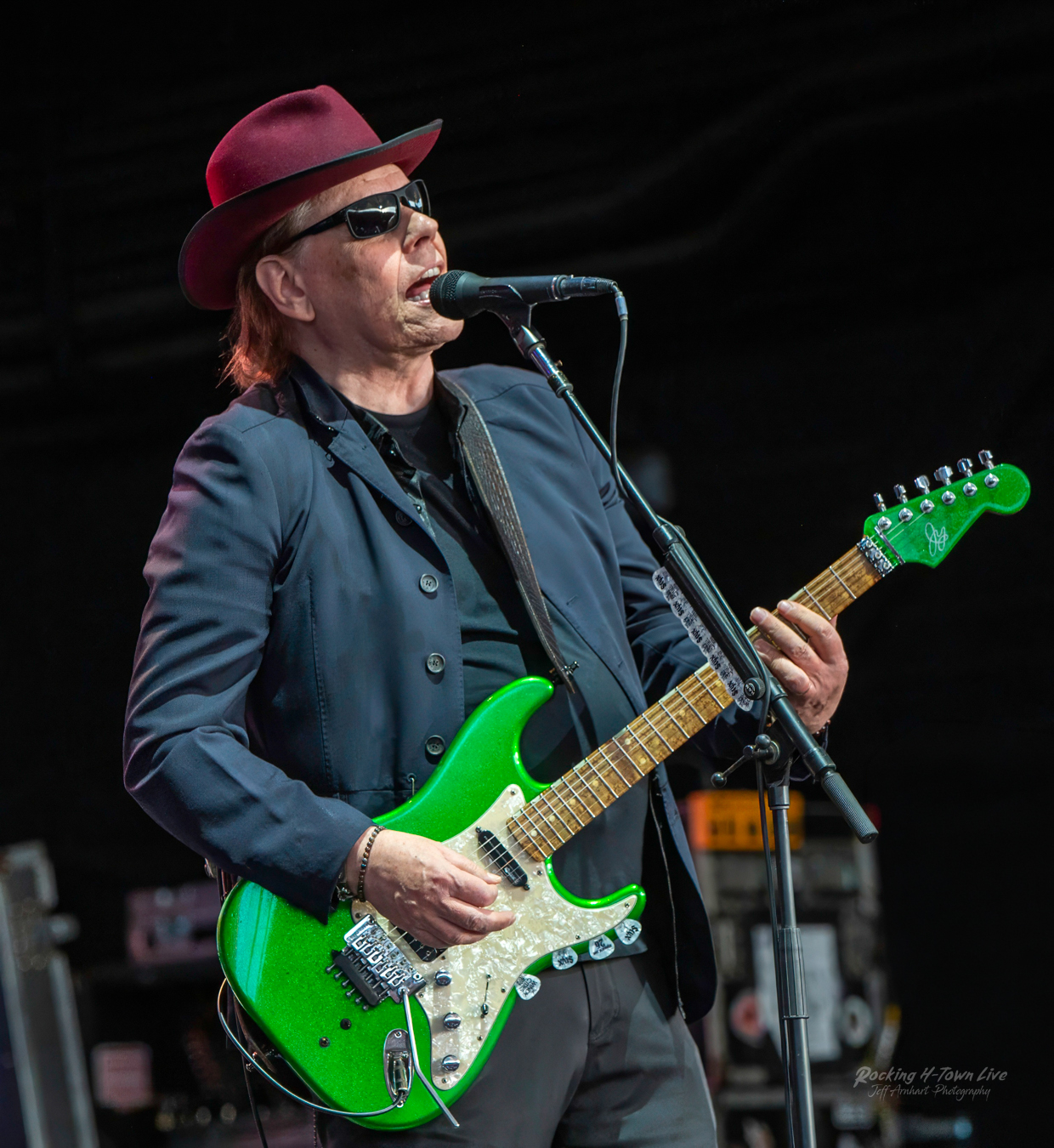
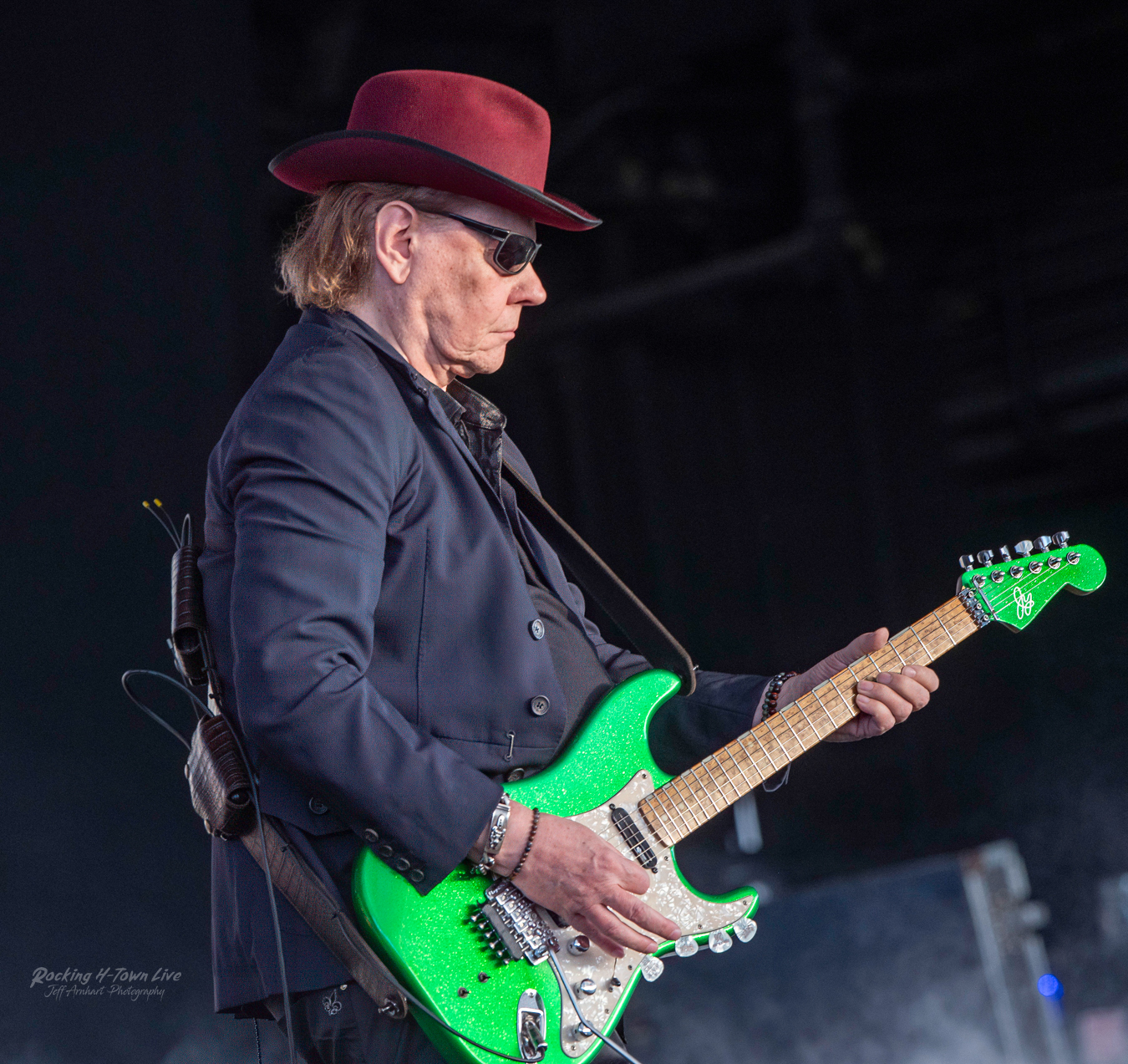
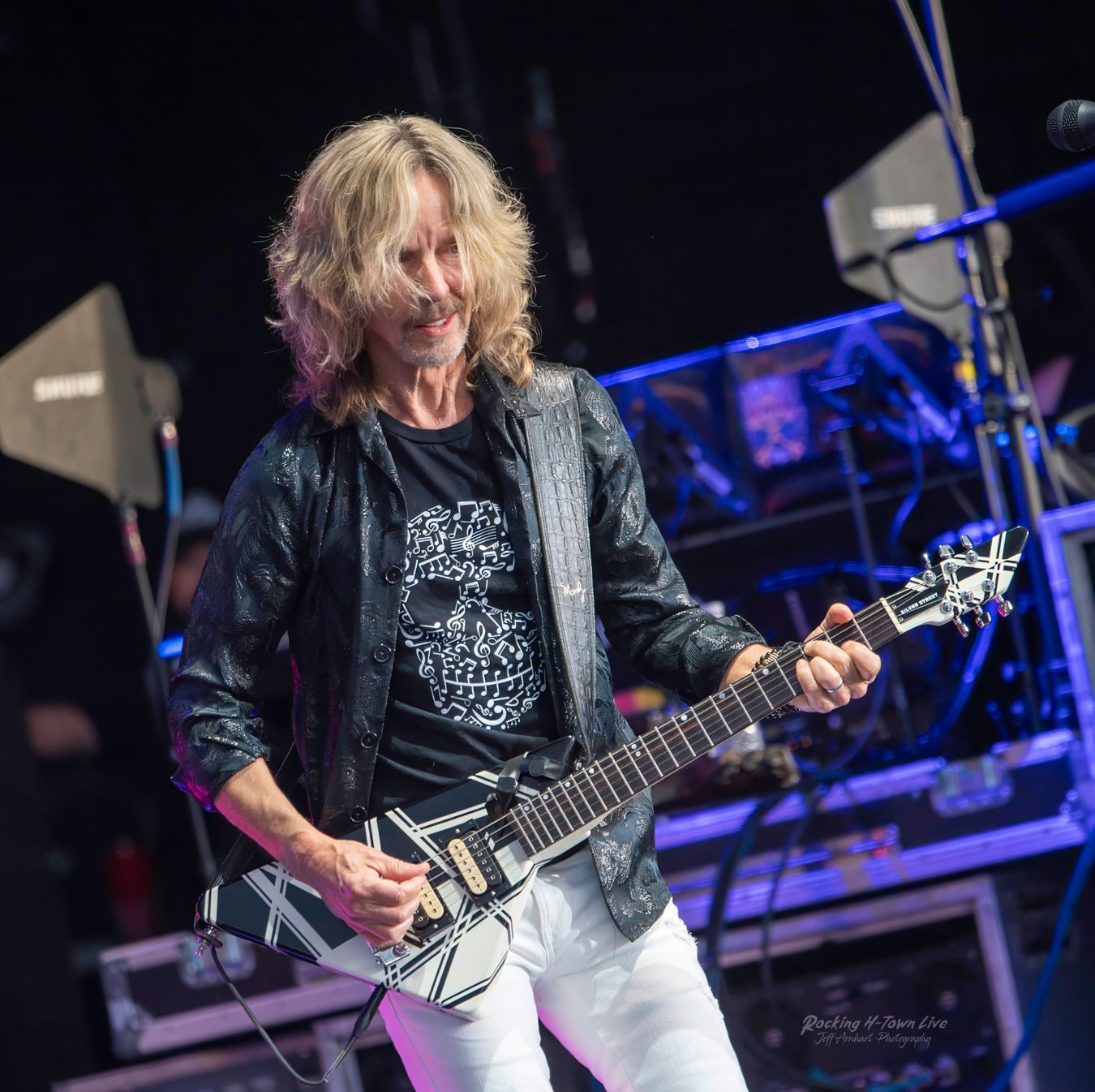
touring lineup featuring Tommy Shaw on guitars and vocals, James “J.Y.”
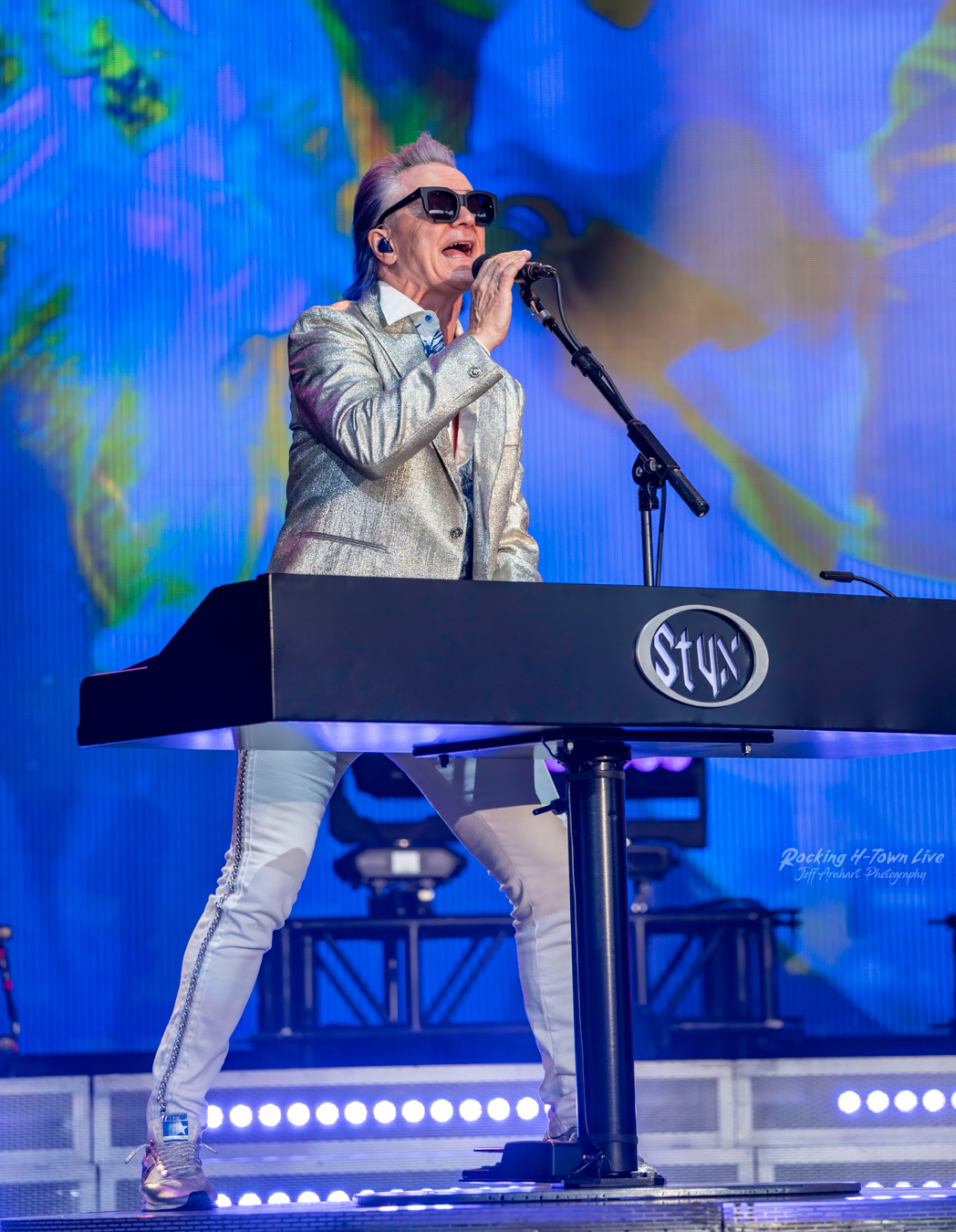
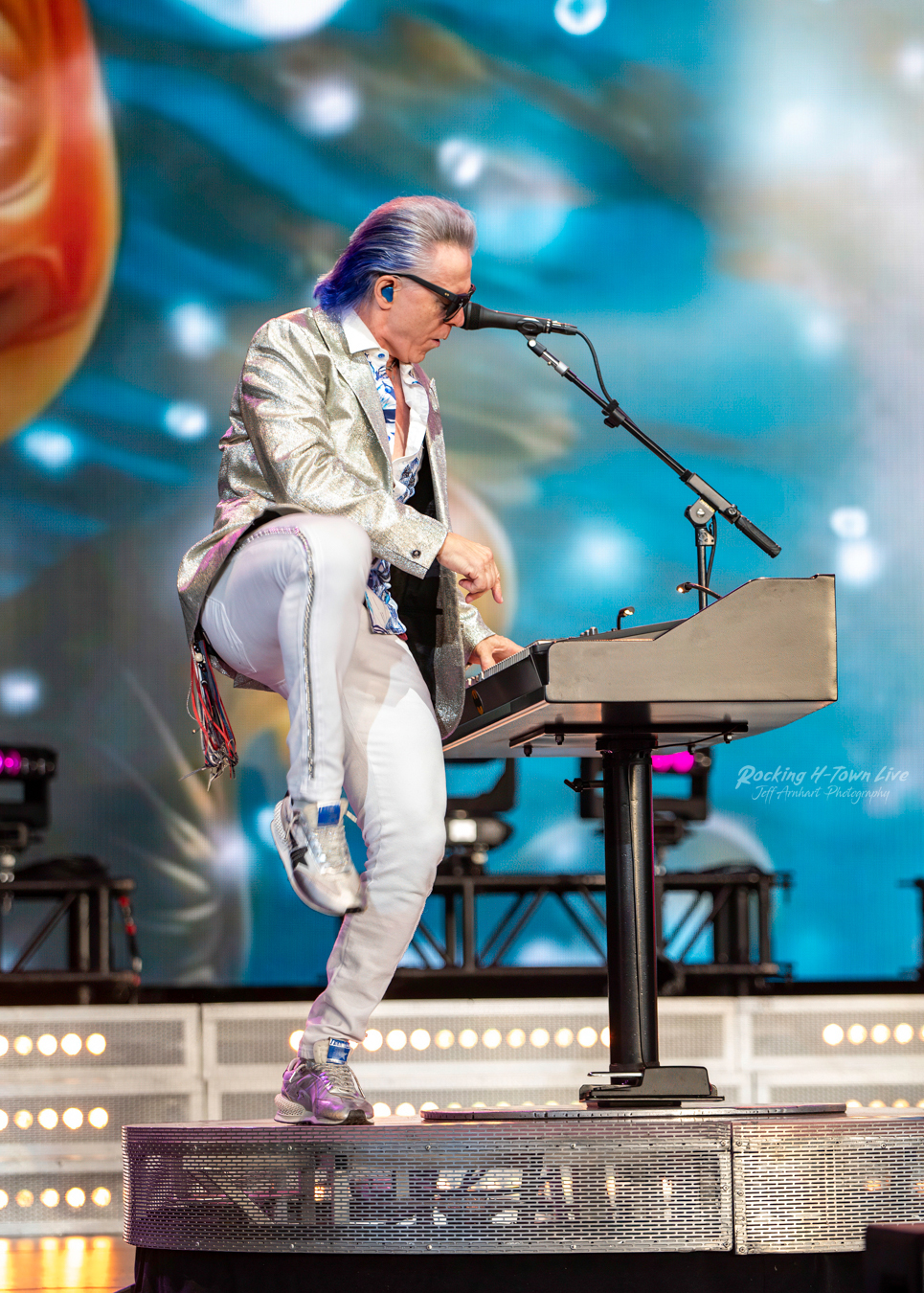
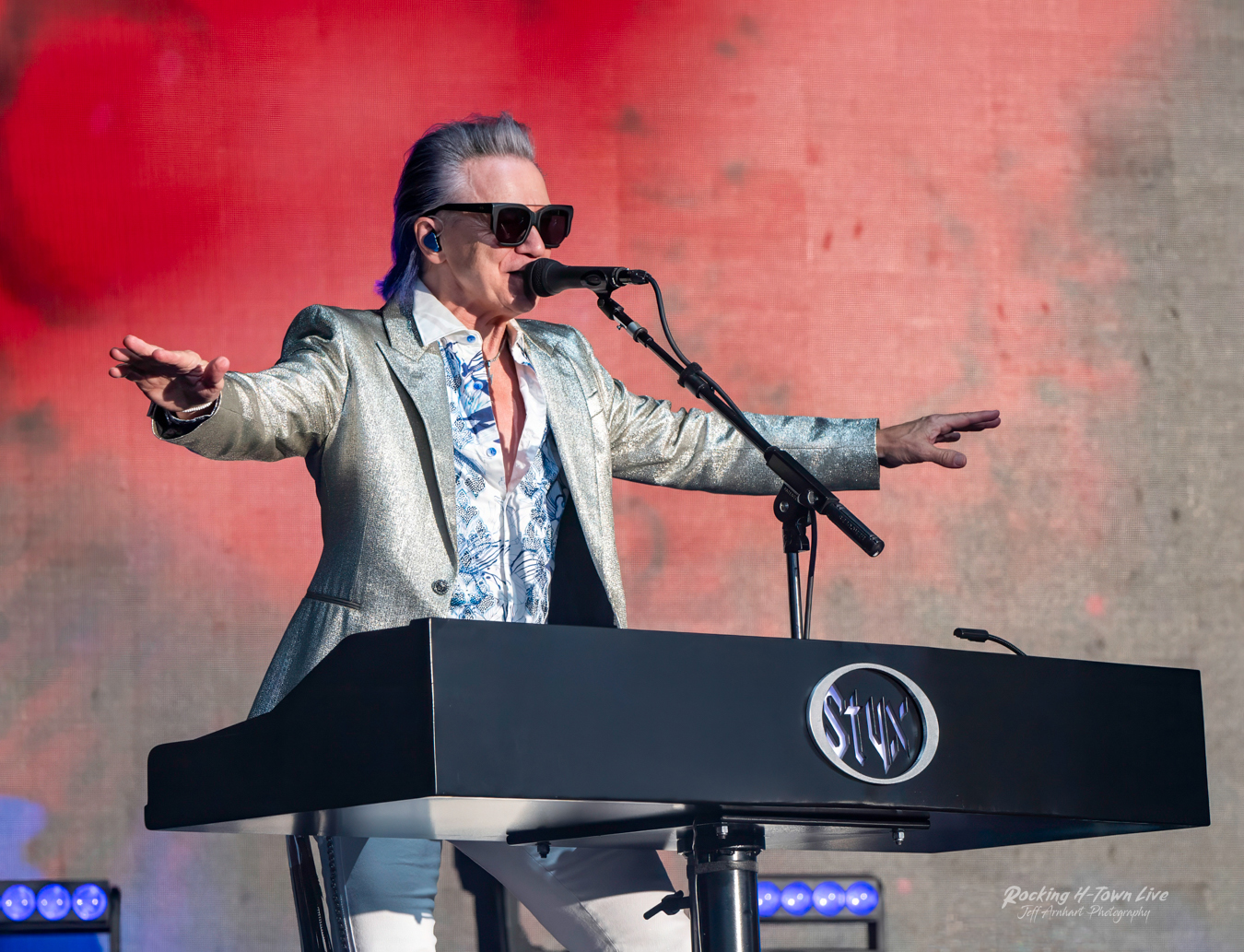
Young on guitar and vocals, Lawrence Gowan on keyboards and vocals,
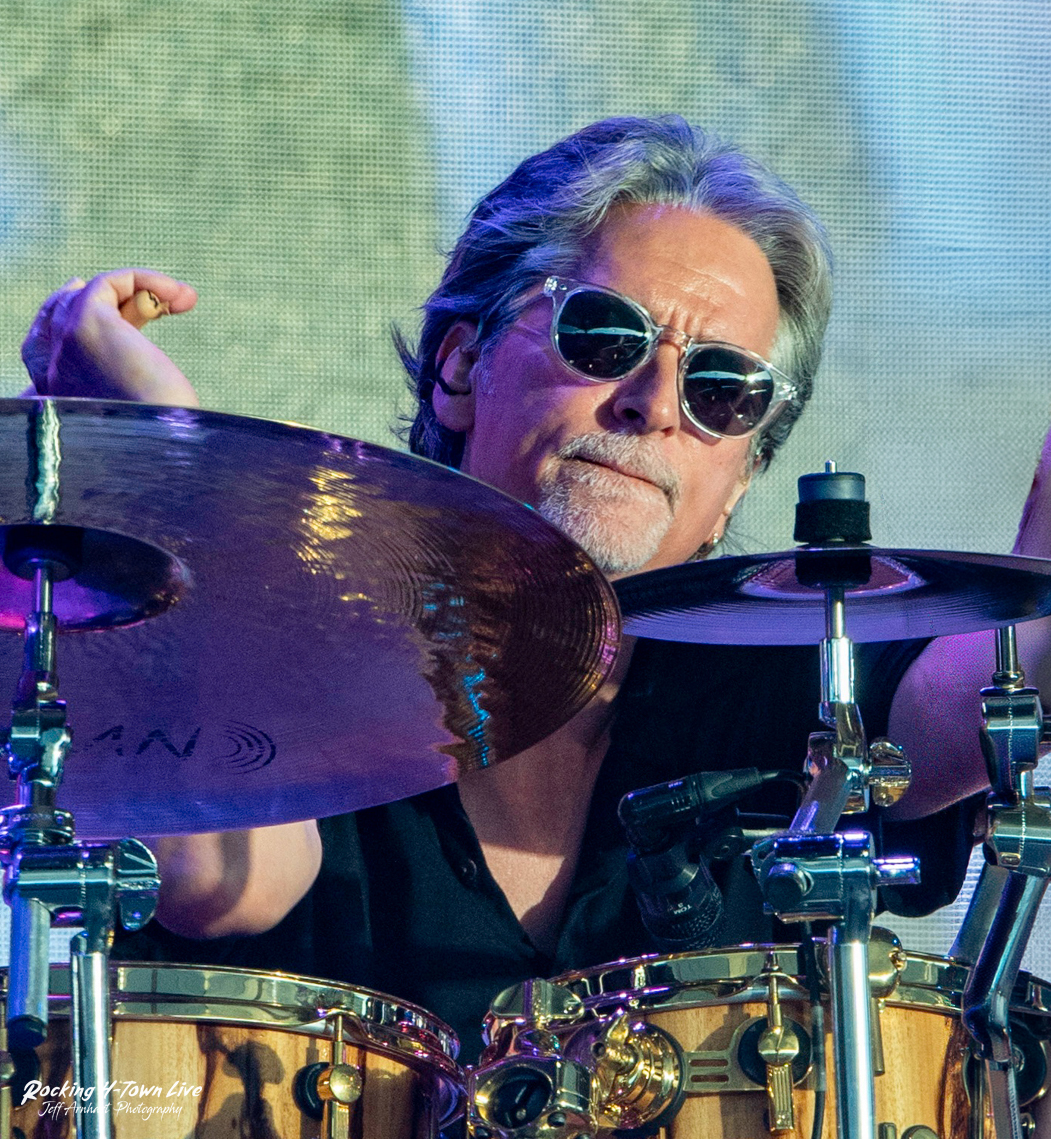
Chuck Panozzo on bass, Todd Sucherman on drums, Will Evankovich on
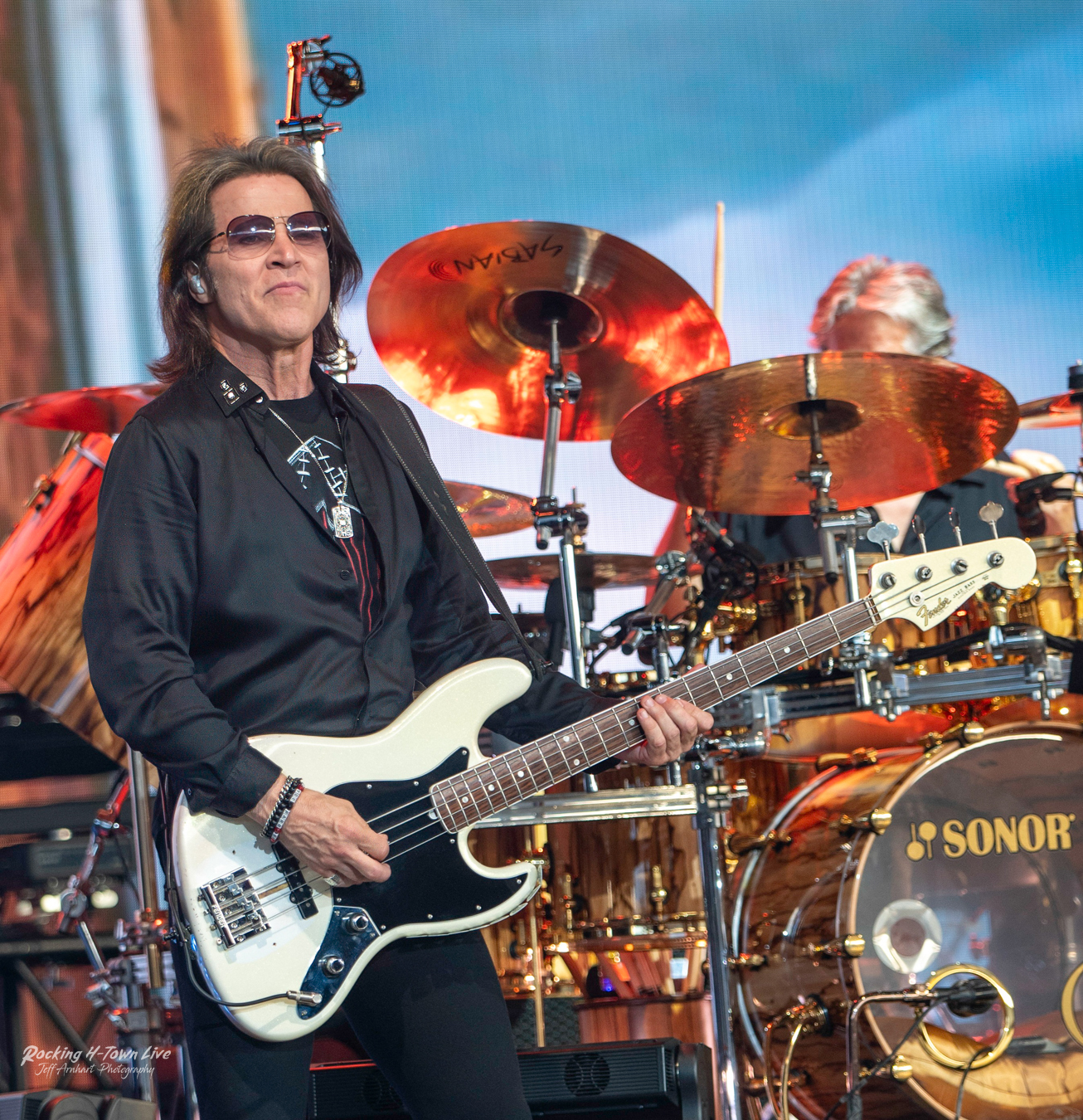
guitars and vocals and Terry Gowan (Lawrence's brother) on bass and upright bass. With Styx
taking the stage first, there was no mistaking that this was a band
arriving to play a full concert - not merely to kill time before
Chicago.
From Black Sabbath to “Fooling Yourself”
The evening began with Black Sabbath's “Mob Rules” playing from tape, an appropriately ominous introduction before Styx launched into “Fooling Yourself (The Angry Young Man).”
The opening number immediately established the band's trademark
combination of layered keyboards, muscular guitars, intricate
arrangements and soaring vocals. “Lorelei” followed, reaching back into the band's early-'70s catalog before the newer “Build and Destroy” demonstrated that Styx's creative story is still being written.
Then came “Lady,” one of the band's earliest and most enduring songs, followed by the crowd-pleasing “Too Much Time on My Hands.” The latter turned the Pavilion into a giant singalong, with the audience responding to every familiar line.
“Styx's catalog doesn't merely survive the decades - it seems to get louder with them.”
The opening act's set then moved into the band's more progressive territory with “The Grand Illusion.” Few songs better encapsulate what made Styx
different. The band's ability to combine philosophical lyrics, layered
vocal harmonies, synthesizers and hard-rock guitars turned what could
have been an ordinary rock song into something much more ambitious. “Light Up” followed before “Crystal Ball”
provided the setting for the night's band introductions. With each
musician receiving recognition, the audience was reminded that Styx
remains a band built around individual musicianship as much as its
collective identity. Lawrence Gowan also took time to mention that this
was the 50th Anniversary of “Crystal Ball.”
Rockin' the Paradise
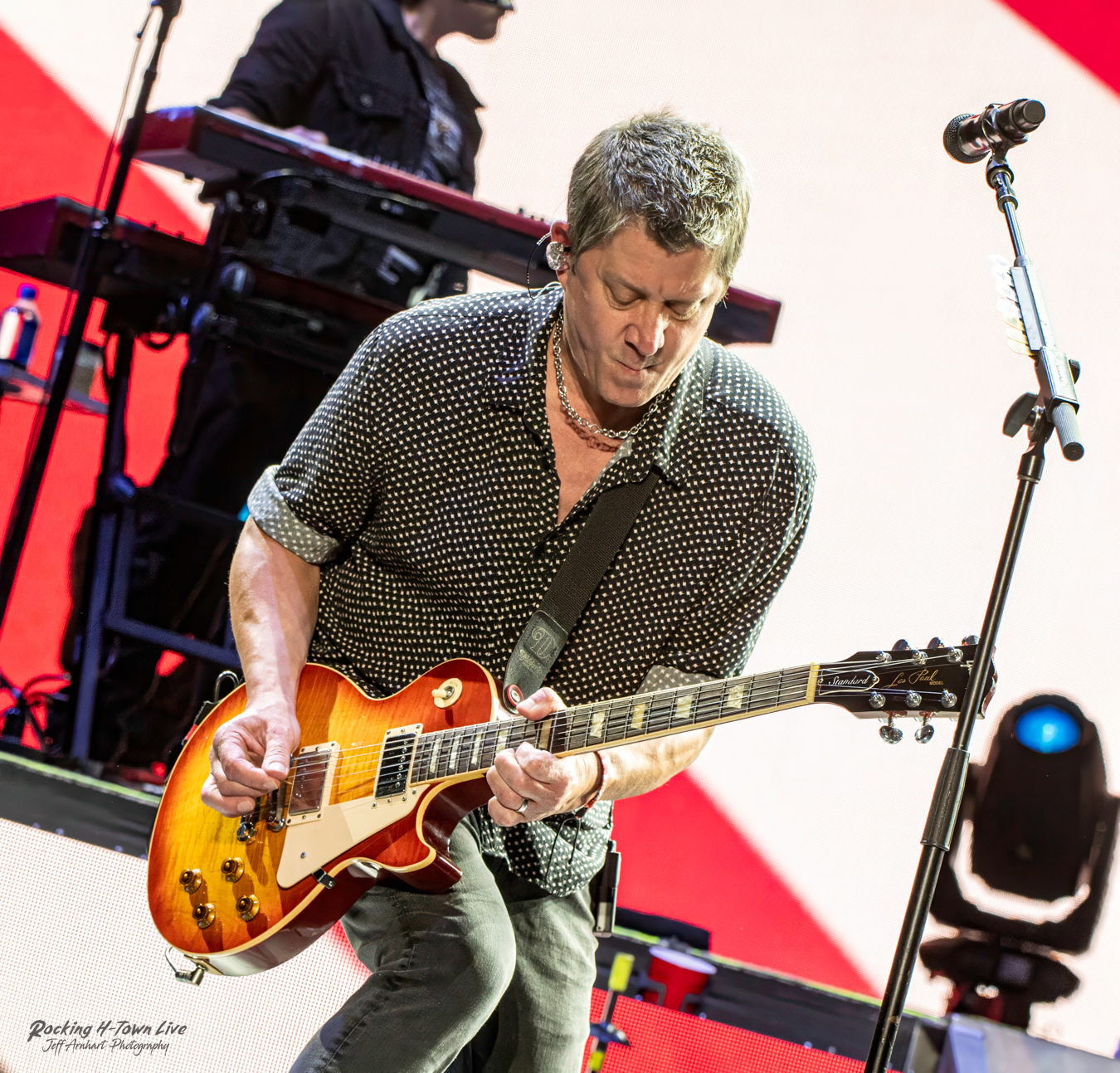
The pace accelerated again with “Rockin' the Paradise,” a song that felt tailor-made for a summer amphitheater. Then came the newer “Our Wonderful Lives,” keeping the band's current creative chapter firmly represented alongside its classics. The song “Our Wonderful Lives” is the only Styx song to feature the playing of a banjo. “The Best of Times” followed, delivering another wave of audience participation before Tommy Shaw and the band tore into “Blue Collar Man (Long Nights).” The song's driving rhythm and unmistakable guitar work pushed the energy toward its peak.
And then came the moment everyone knew was coming. “Come Sail Away.”
Before the song fully took flight, there was a special piece of Styx history onstage. Original bassist Chuck Panozzo stepped onto the stage alongside Lawrence Gowan as the opening of “Come Sail Away”
began, creating a particularly meaningful connection between the band's
earliest days and its present-day lineup. Panozzo, along with his late
twin brother John, was part of the foundation of the group that would
eventually become Styx, making
his appearance more than a guest spot - it was a living reminder of
where the band's journey began. As Gowan began the song, the familiar
opening gradually expanded and the Pavilion erupted as the rest of Styx joined in.
For generations of fans, “Come Sail Away” has become more than a Styx
recording. Its enormous chorus has become a communal rock experience
and on this warm Houston evening, thousands of voices joined together
to carry the melody.
“With Chuck Panozzo standing
alongside Lawrence Gowan at the start of ‘Come Sail Away,’ Styx's past
and present shared the same stage before the entire Pavilion sang the
future of the song back to them.”
The appearance was particularly fitting on a night celebrating the band's Chicago roots. Styx
began as a group of Chicago musicians, with Chuck and John Panozzo at
the heart of that early story, and more than five decades later Chuck
remains an occasional onstage presence with the band. His appearance
gave the song an added emotional weight that went beyond nostalgia.
“For one unforgettable moment,
the basement where Styx began and the massive Pavilion where it now
plays seemed to exist in the same place.”
The song built toward its enormous conclusion, leaving the audience fully charged as Styx disappeared from the stage.
The band returned along with Chuck Panozzo for an encore with “Mr. Roboto,” bringing the theatrical world of Kilroy Was Here back to the stage before closing with “Renegade.” The final song provided the perfect handoff to the night's second act.
Styx had opened the show, but they had left the stage having played like a headliner
CHICAGO: 59 YEARS AND STILL COUNTING
If Styx opened the evening by demonstrating how much life remains in classic rock, Chicago followed by demonstrating what nearly six decades of continuous musical evolution looks like.
Few bands can make a claim quite like Chicago's. Formed in 1967, Chicago
has maintained an extraordinary touring legacy, performing every year
since its founding. That makes 2026 the band's 59th consecutive year on
the road - a feat few, if any, major rock bands can match. The original
Chicago lineup featured
Robert Lamm, Lee Loughnane, James Pankow, Walter Parazaider, Terry
Kath, Danny Seraphine and Peter Cetera. Three of those musicians -
Lamm, Loughnane and Pankow - were among the band's foundational
creative forces. The band has built a career around an unlikely
formula: rock 'n' roll powered by a sophisticated horn section, jazz
influences, intricate arrangements and songs that could be equally at
home on progressive-rock radio or the pop charts. The group has gone on
to release 38 albums and sell more than 100 million records worldwide. Chicago's history is about more than records sold. It is about endurance.
Lamm became one of Chicago's
principal songwriters, keyboardists and vocalists. Pankow helped create
the band's sophisticated horn arrangements, while Loughnane became the
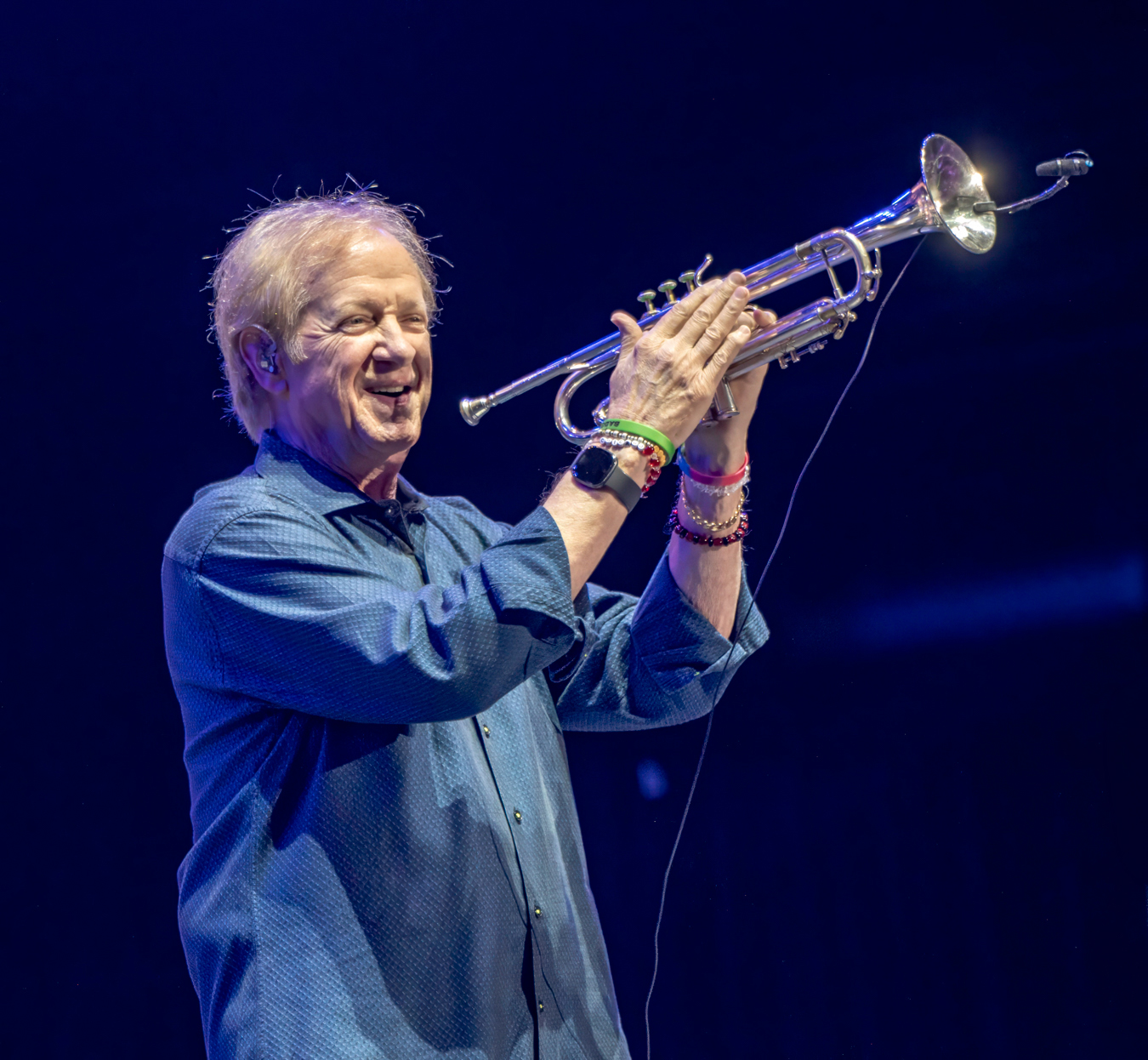
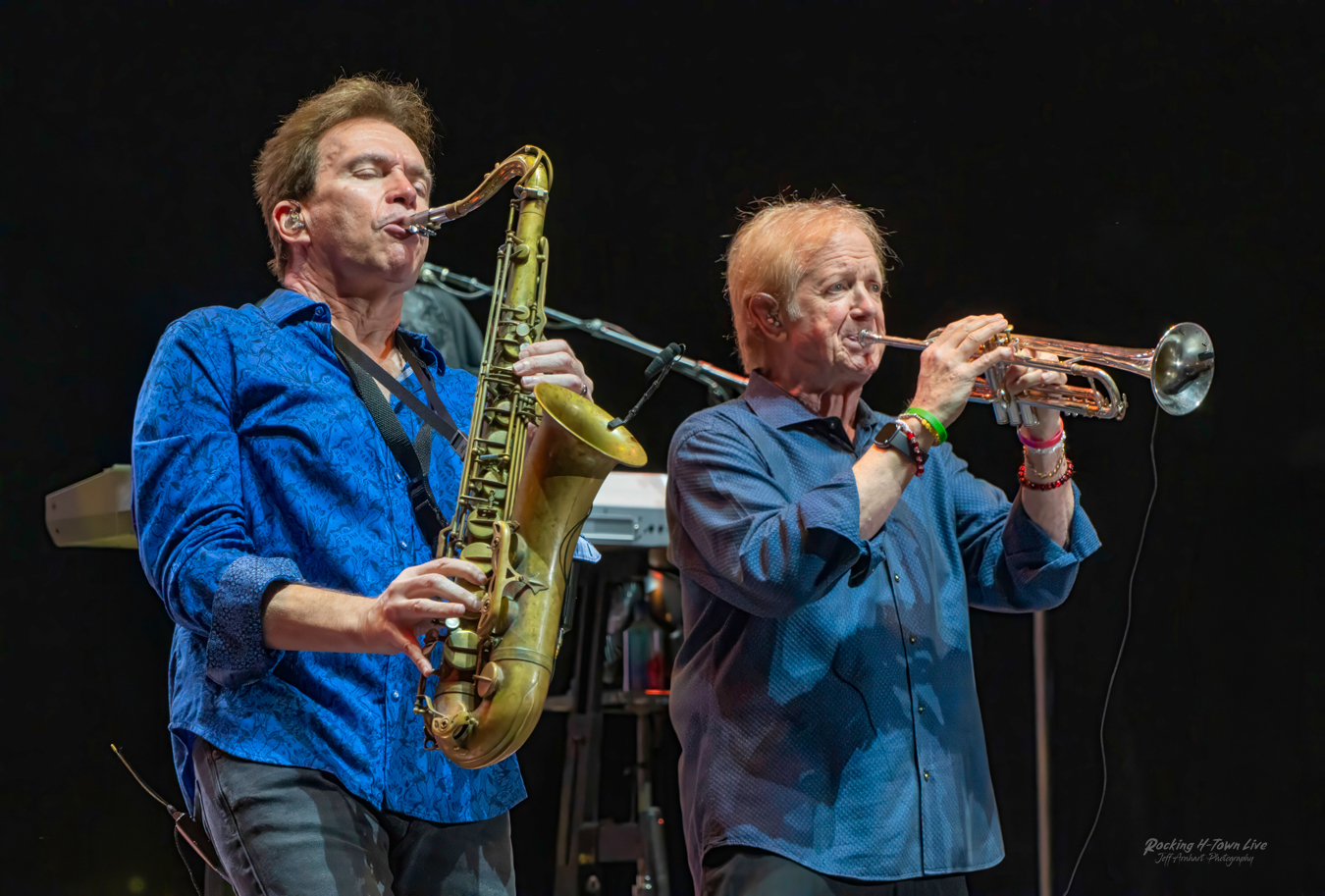
trumpet voice that has been part of Chicago
since its beginning. Today, Lamm and Pankow have stepped back from
touring in recent years due to medical issues, while Loughnane
continues to perform making him the sole founding member currently
onstage with the band.
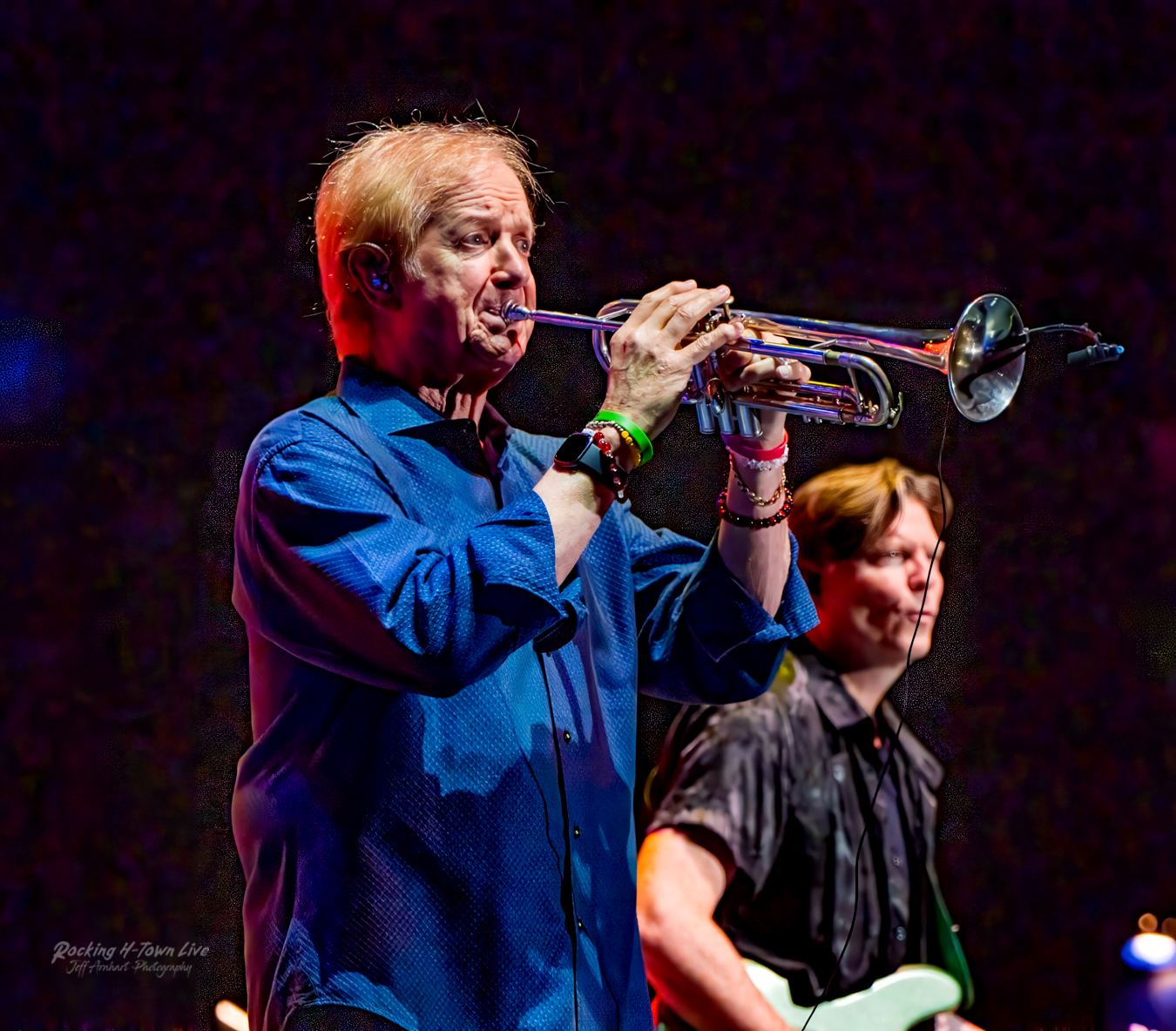
“Fifty-nine years after Chicago
began, the band's history isn't hanging on a wall - it is standing
onstage with a trumpet in its hands.”
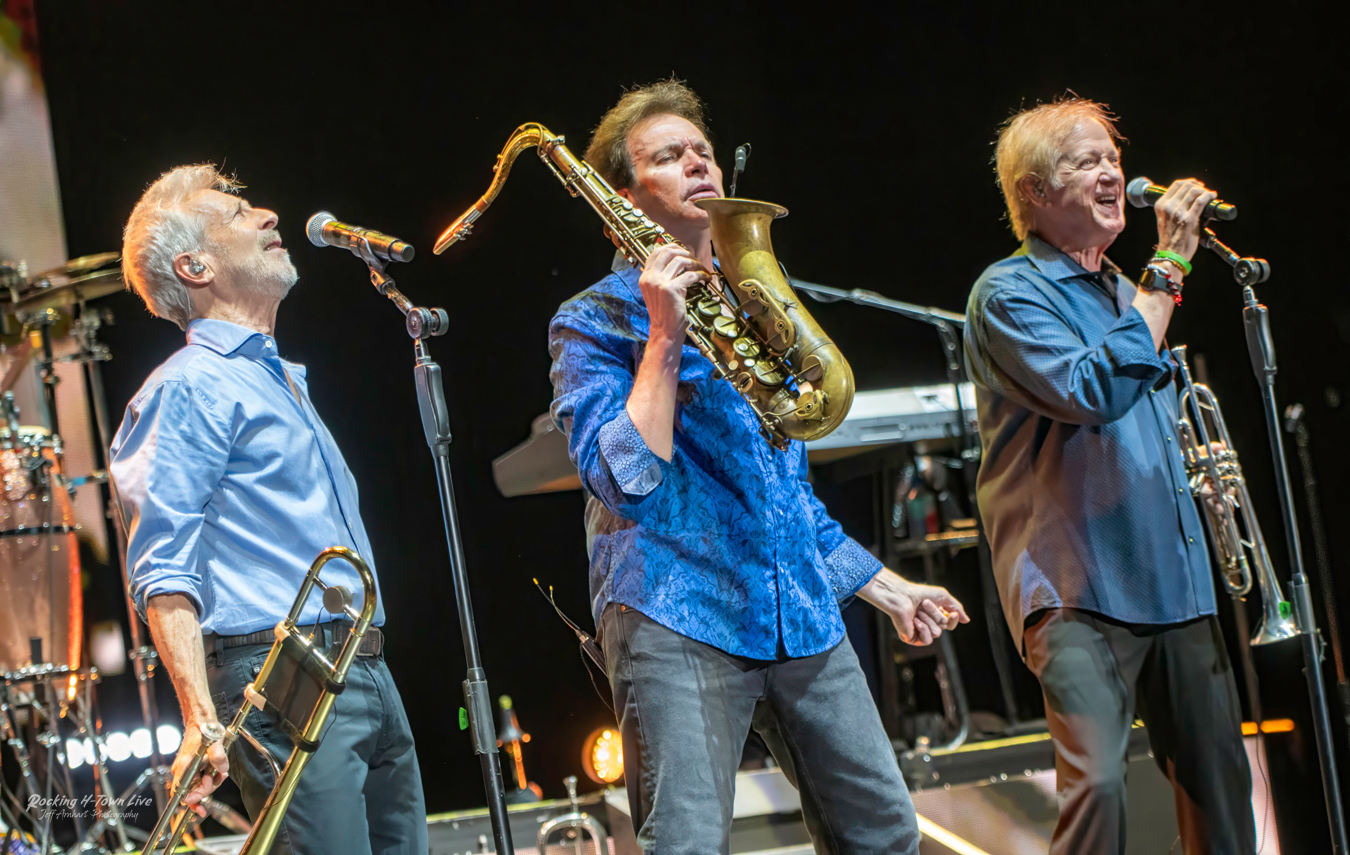
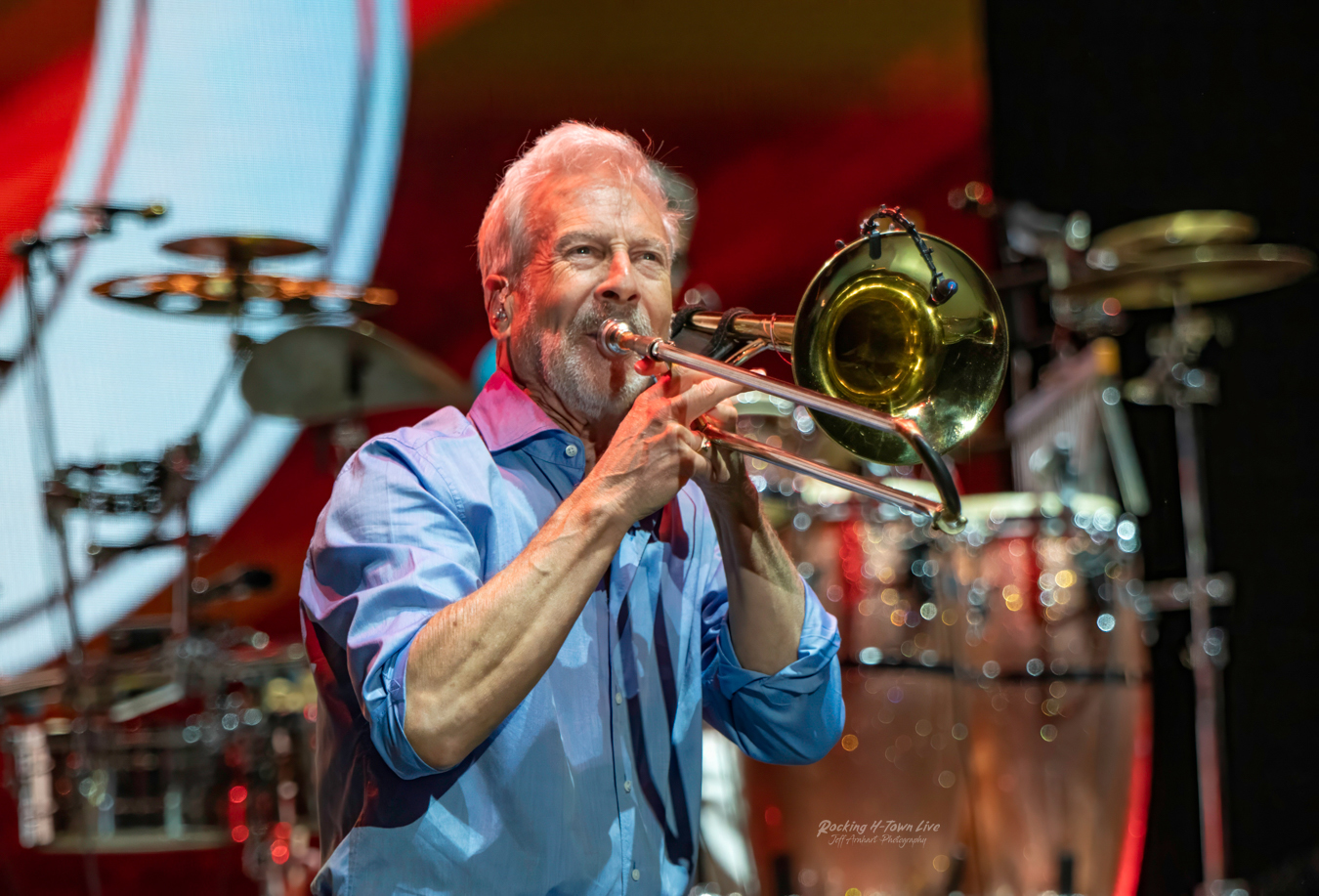
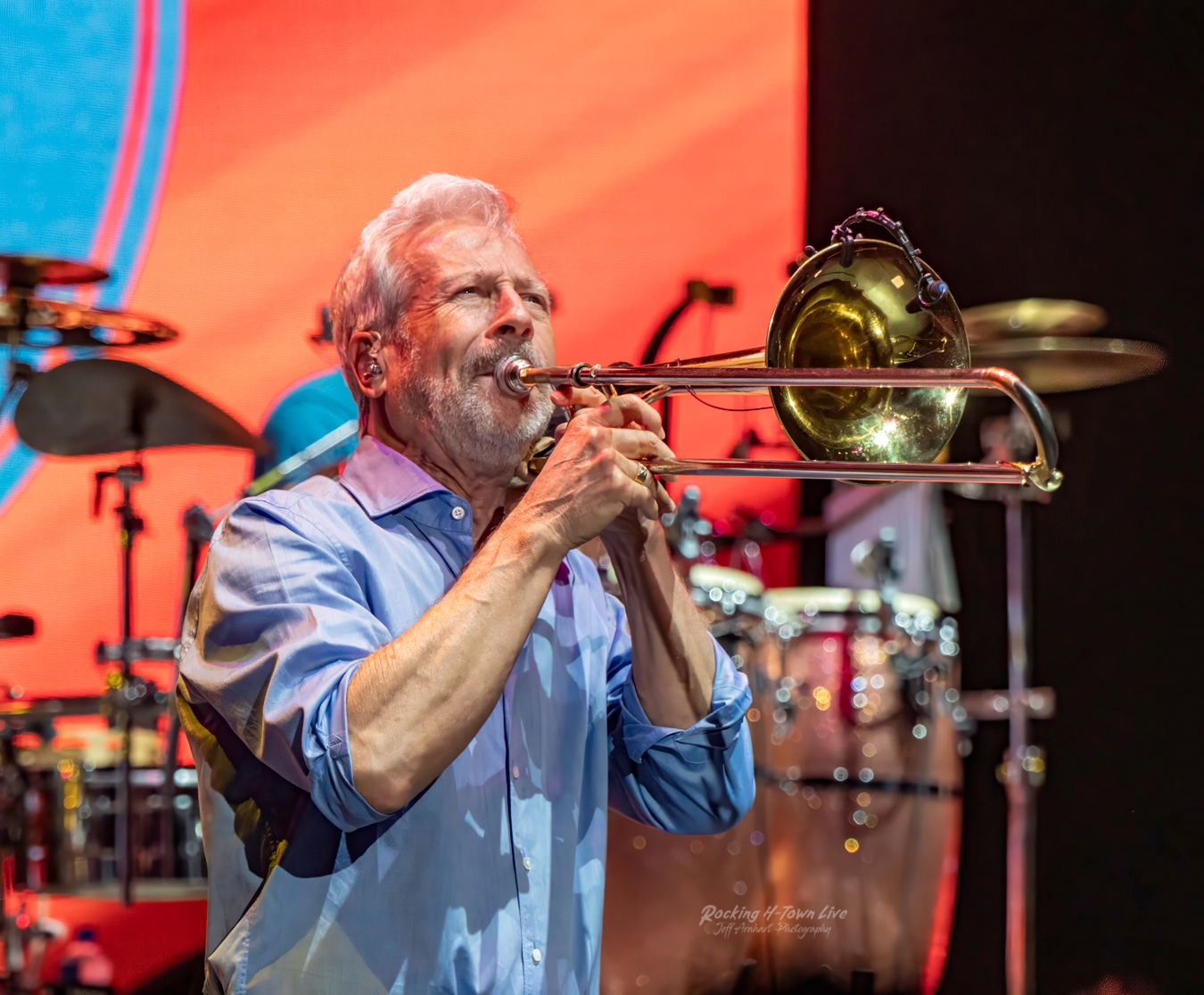
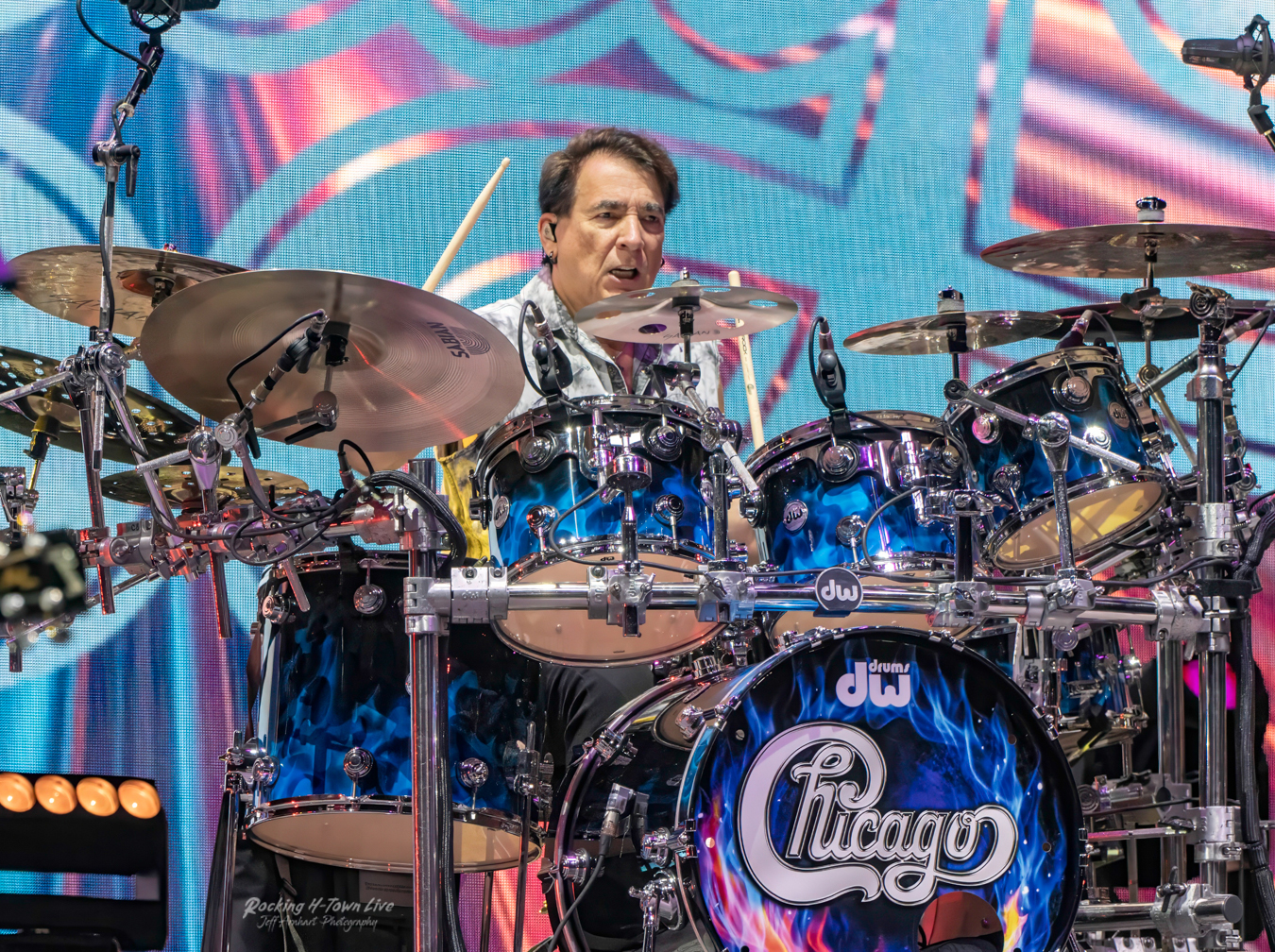
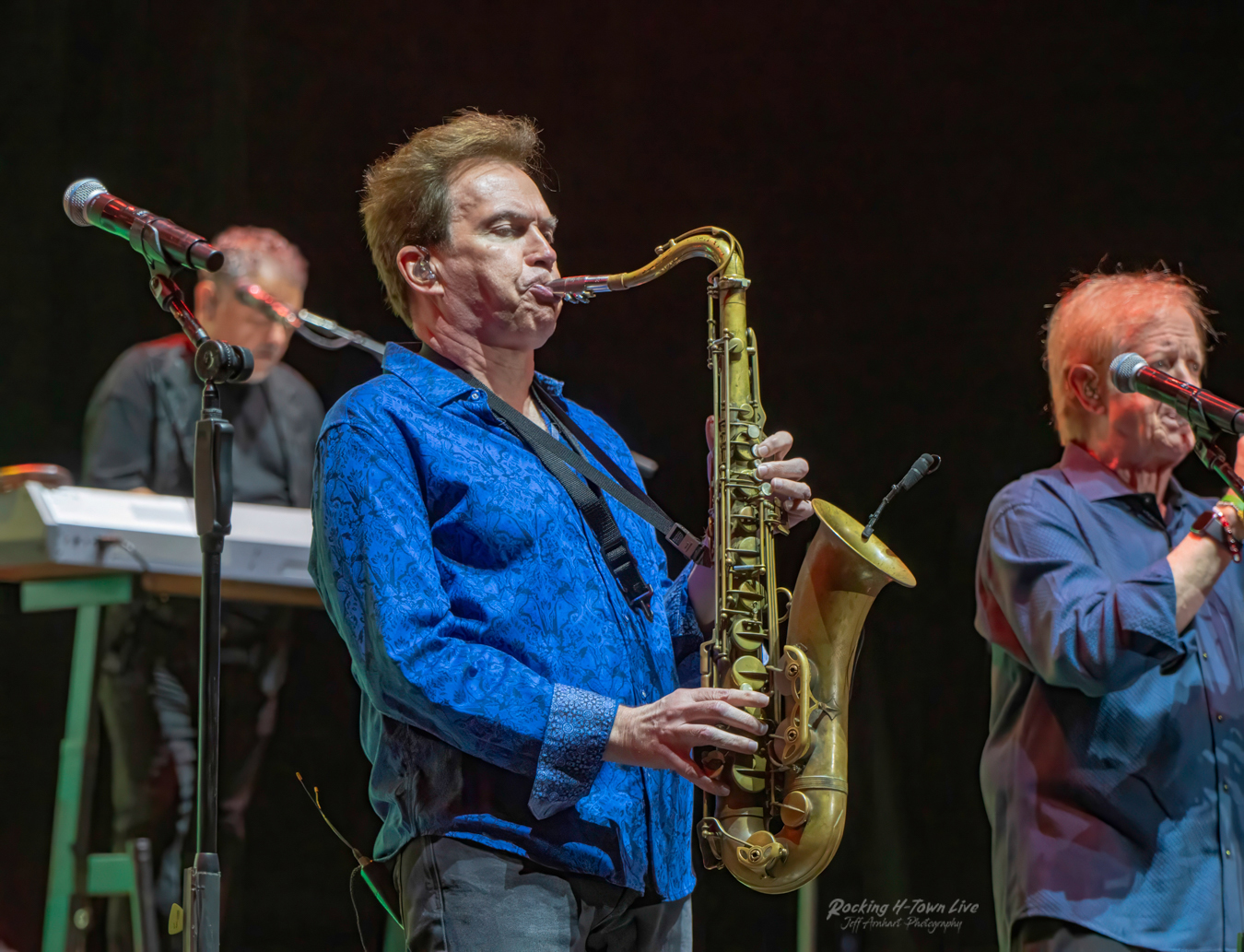
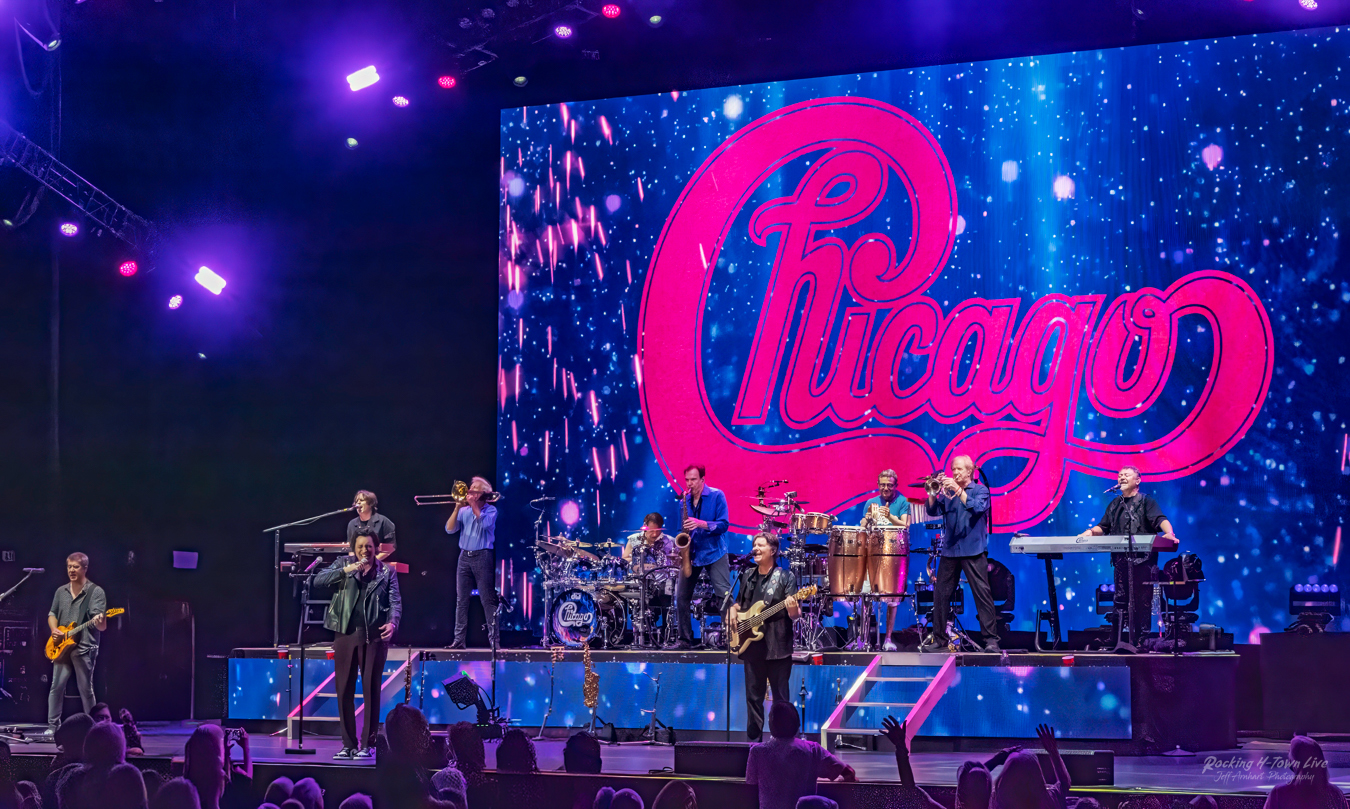
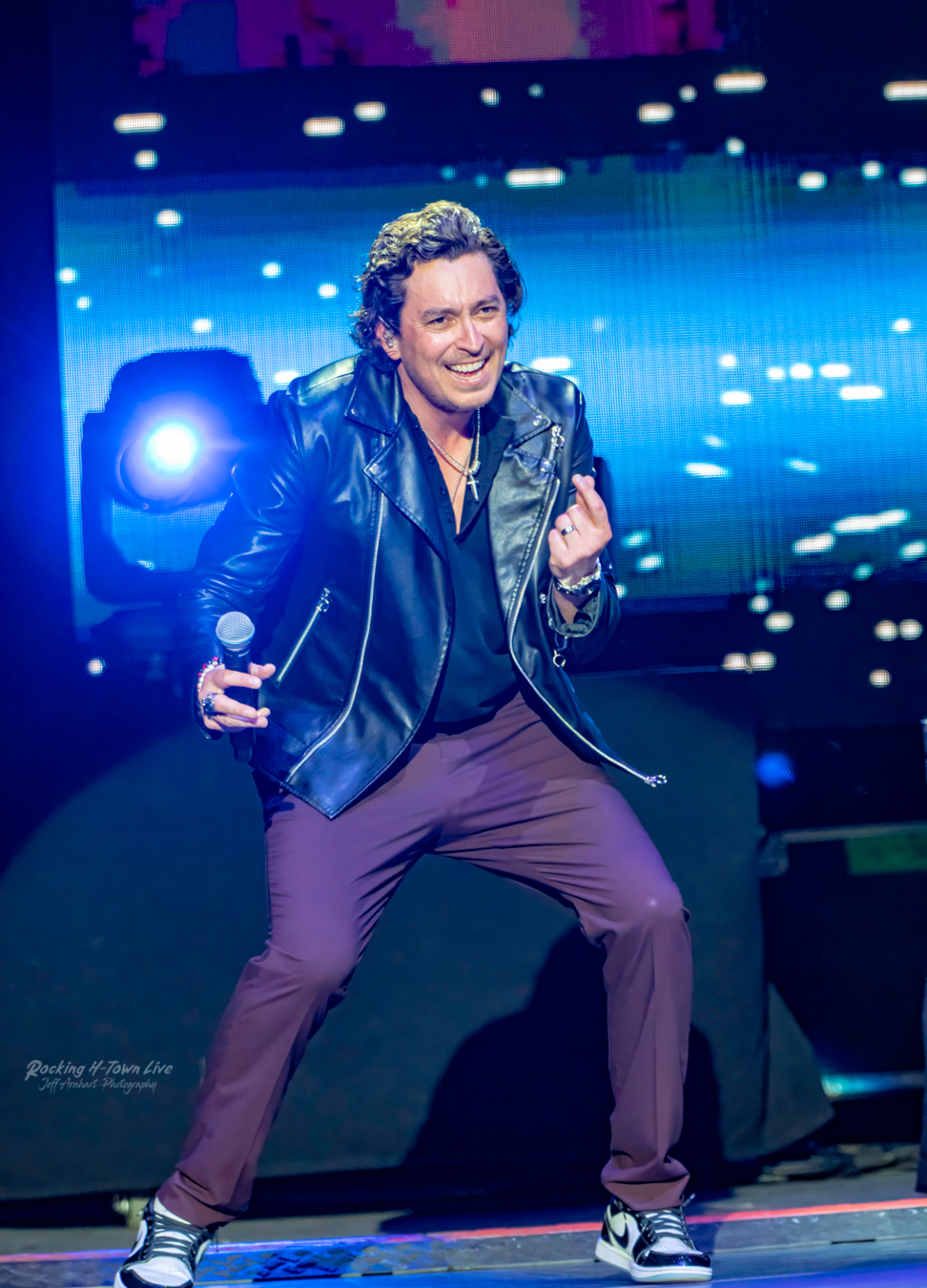
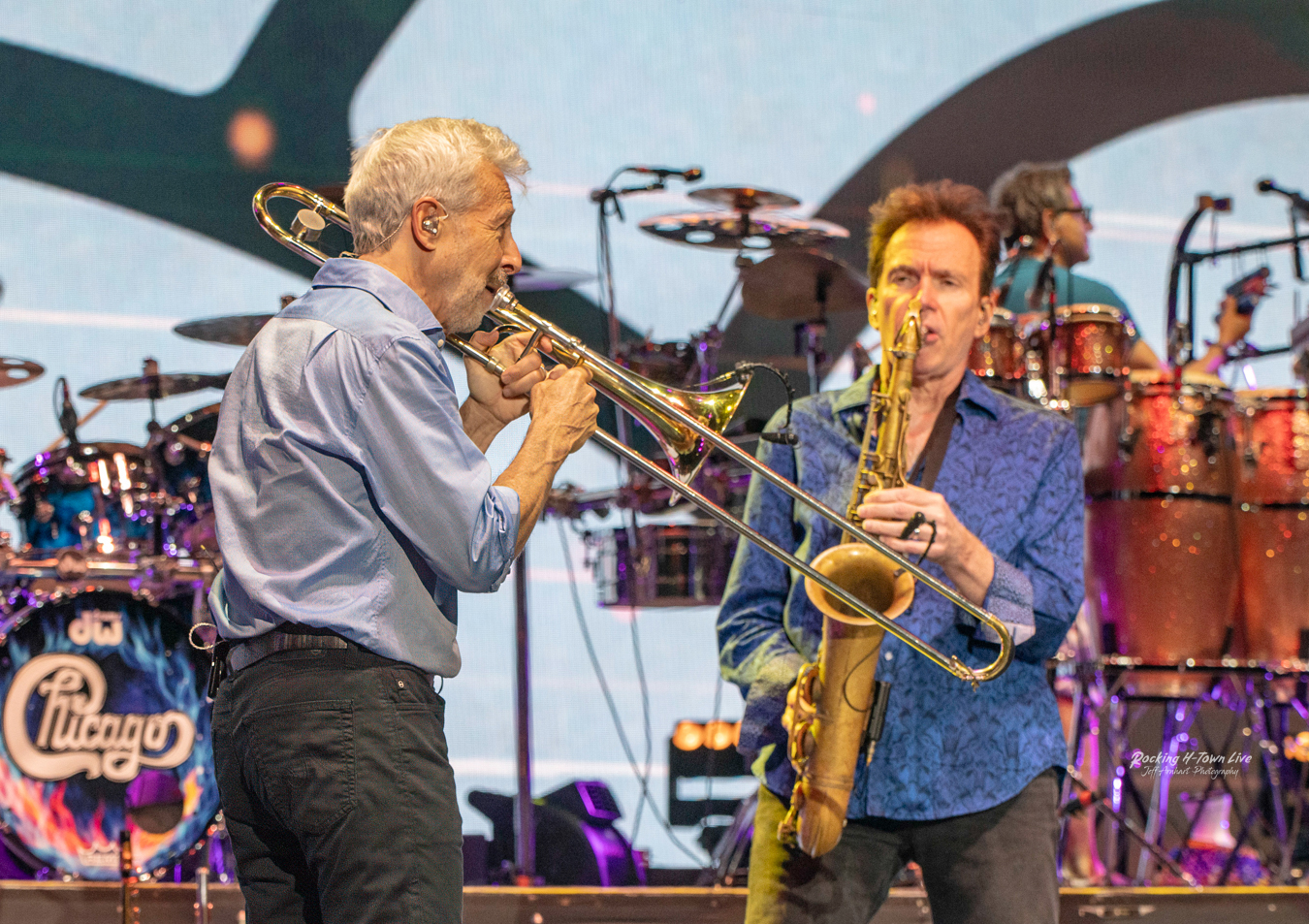
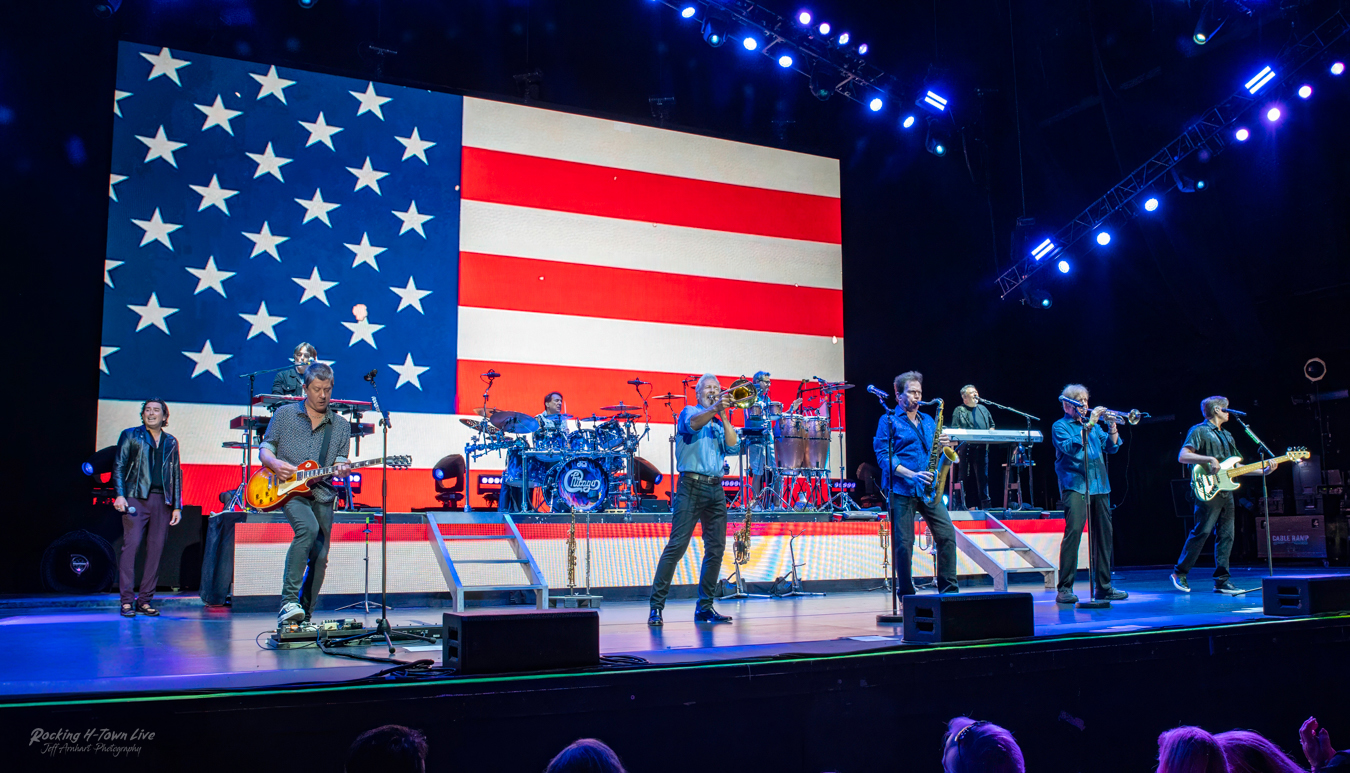
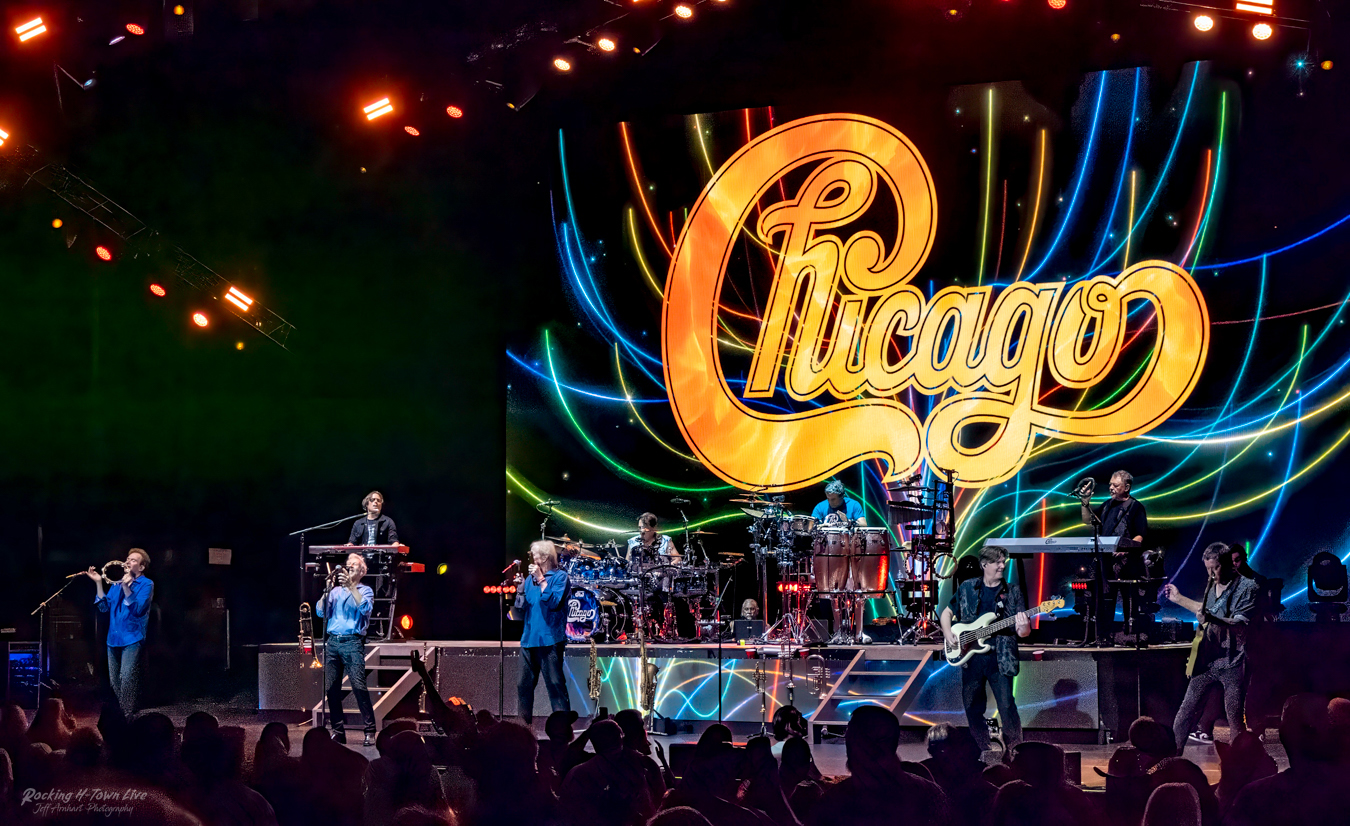
For this performance, Chicago's
touring lineup featured Justin Avery on keyboards and vocals, Tony
Obrohta on guitar and vocals, Nick Lane on trombone, Walfredo Reyes Jr.
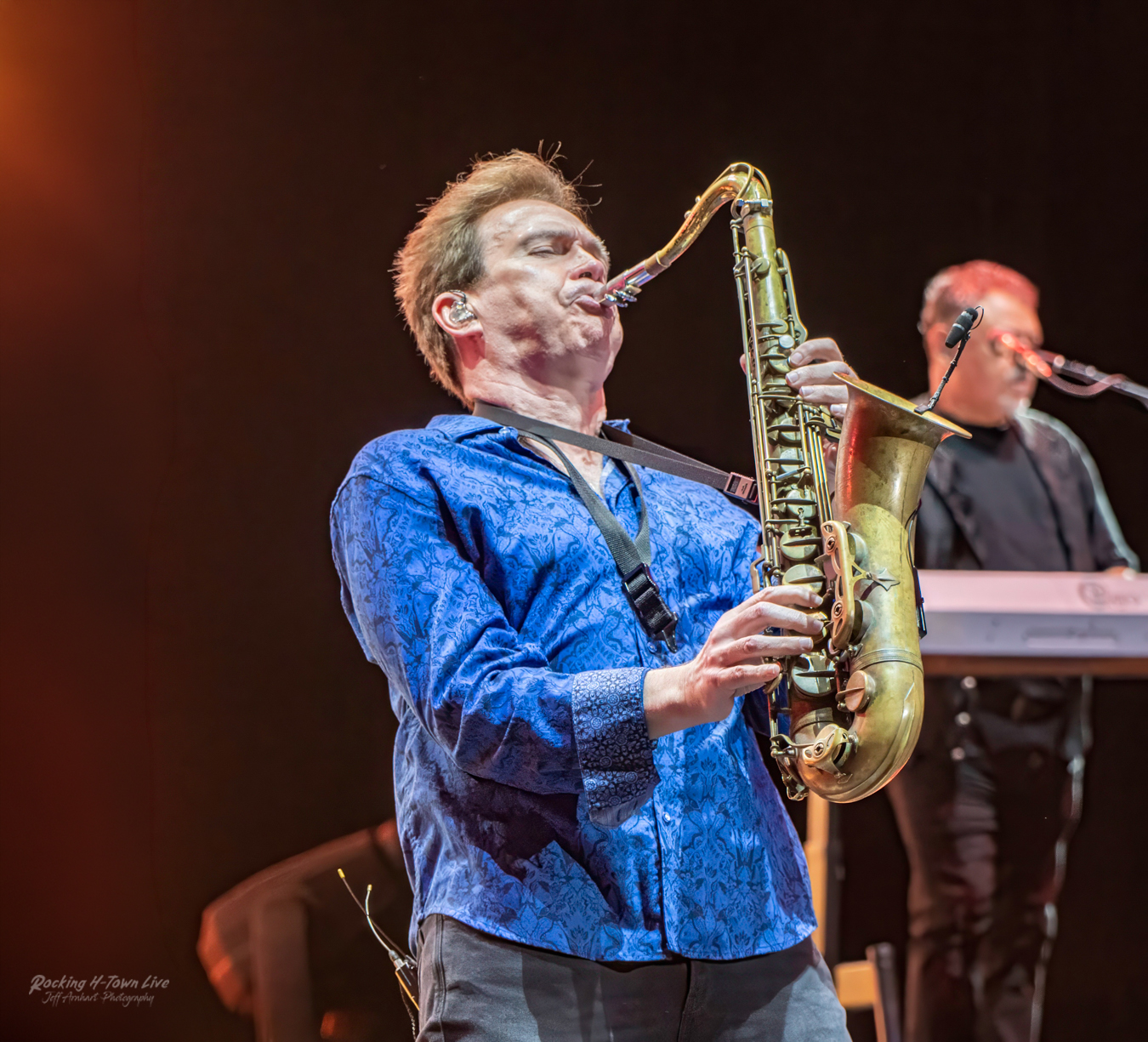
on drums, Ray Herrmann on saxophone, Lee Loughnane on trumpet and
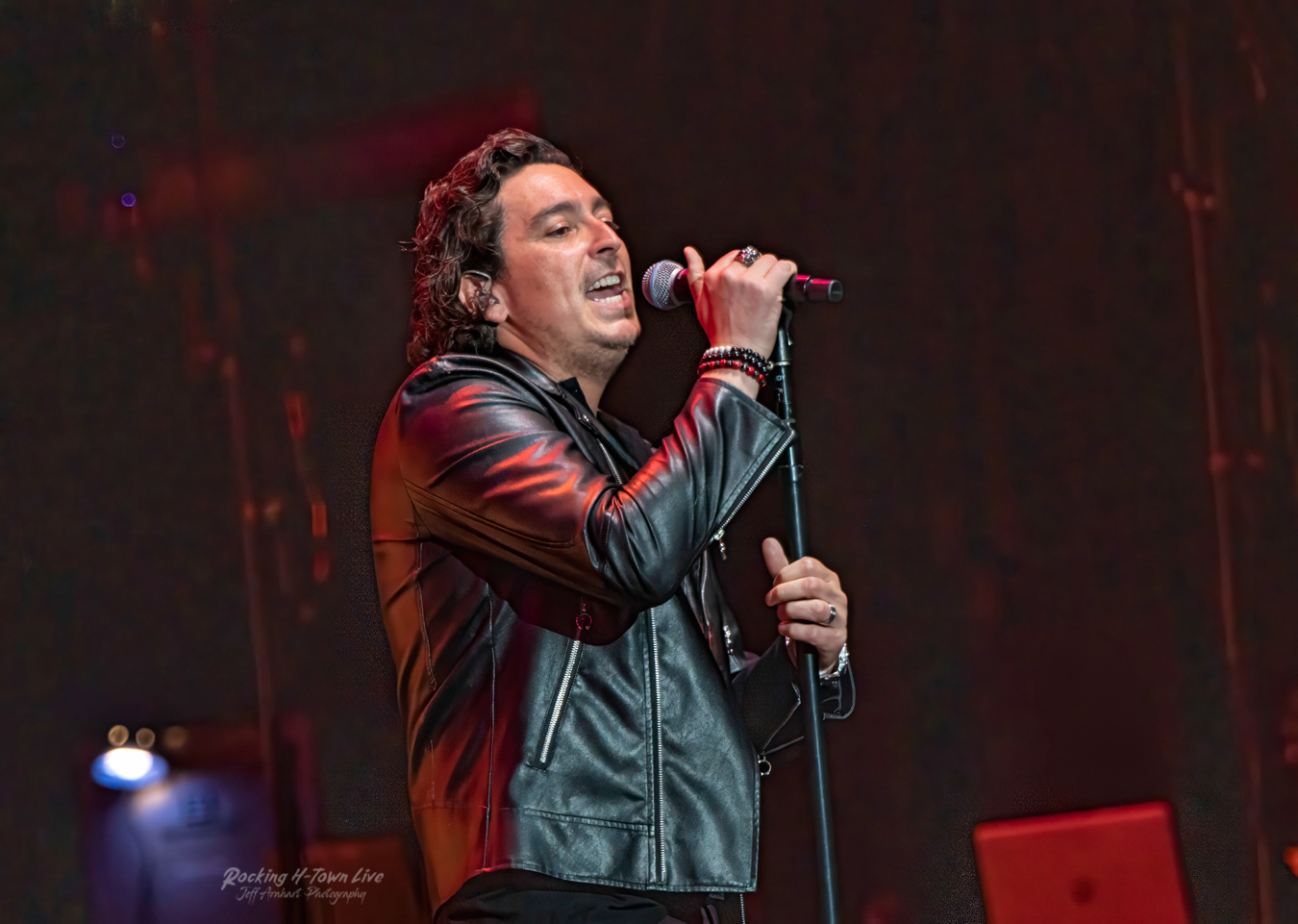
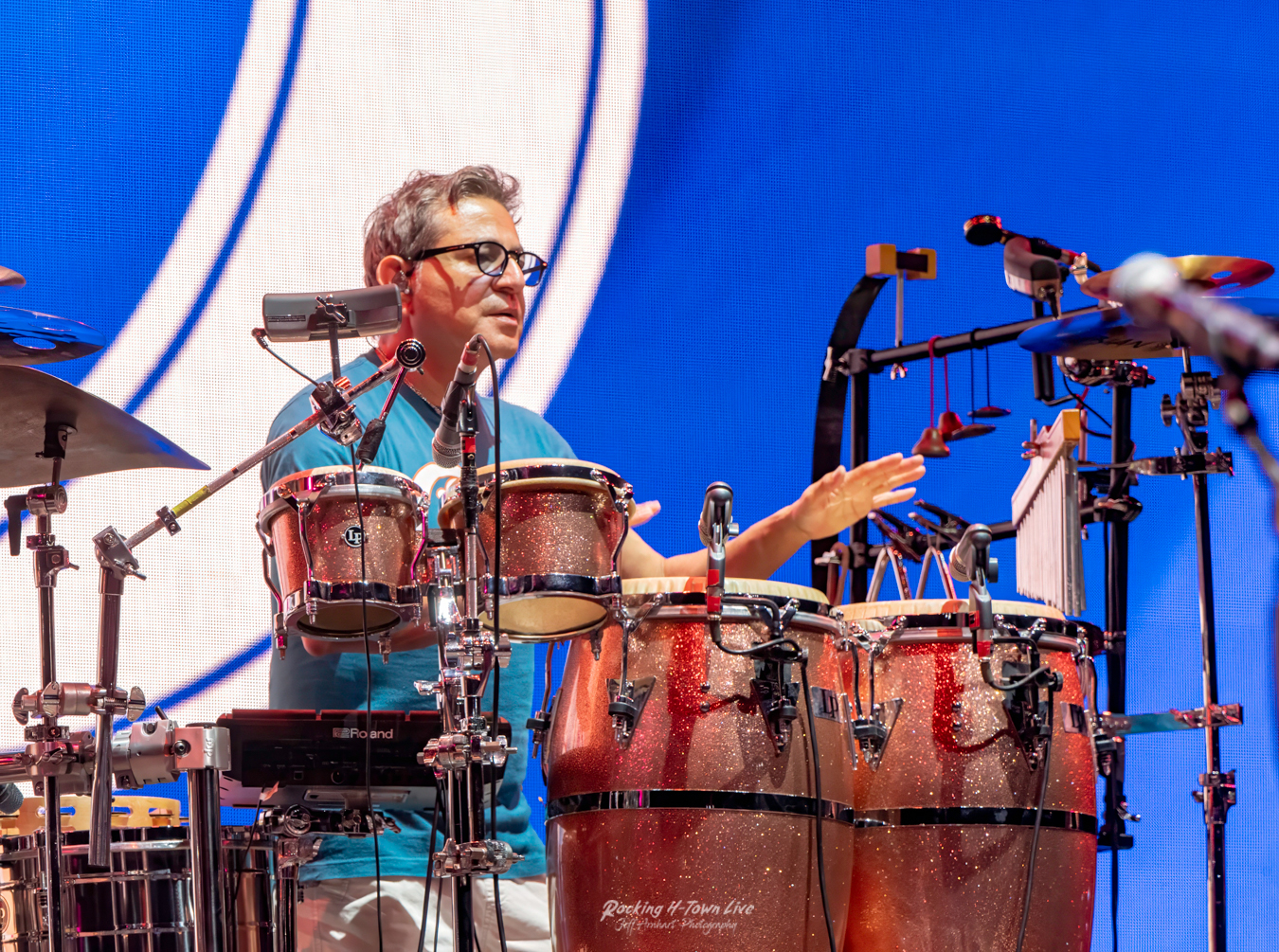
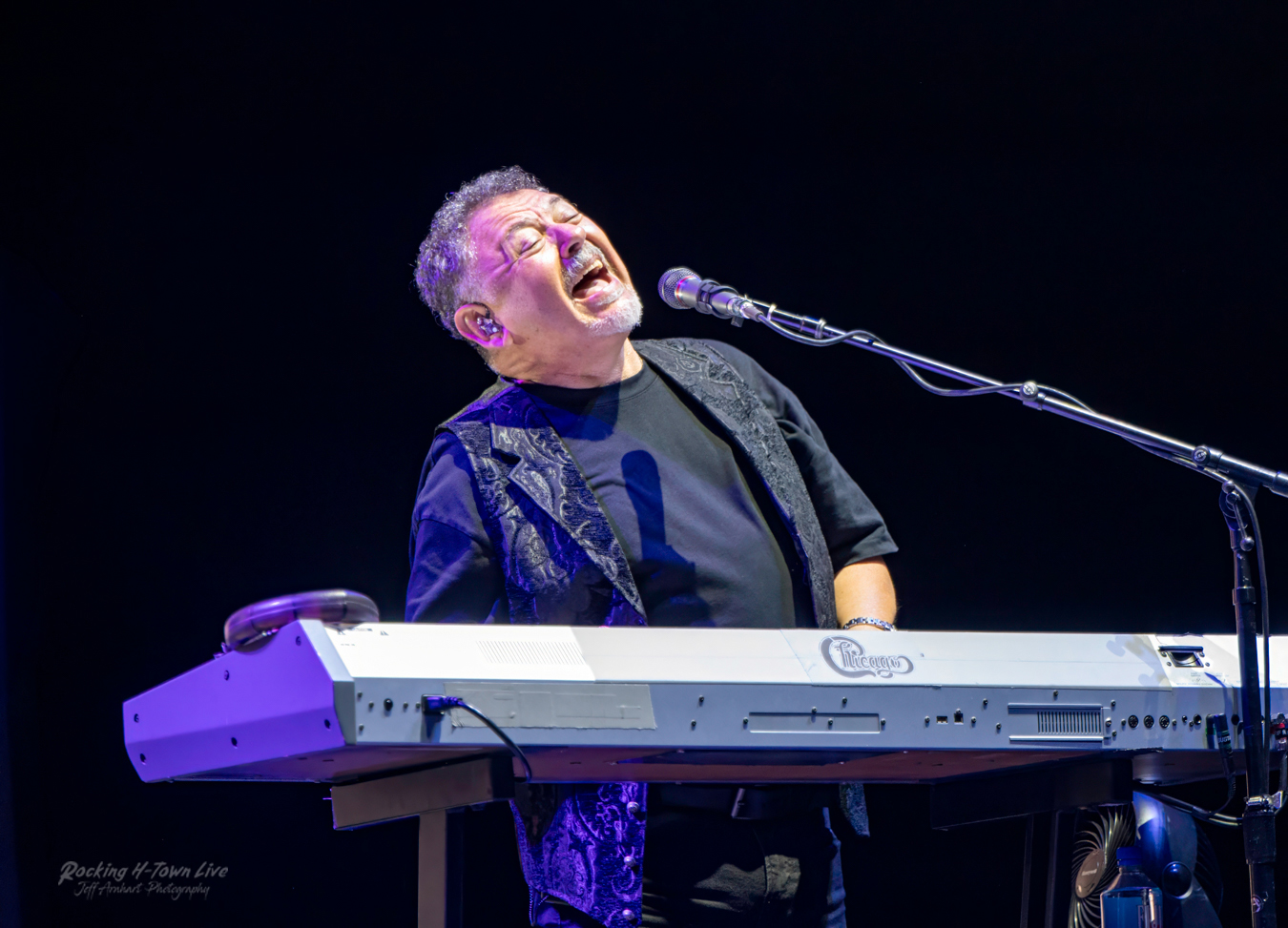
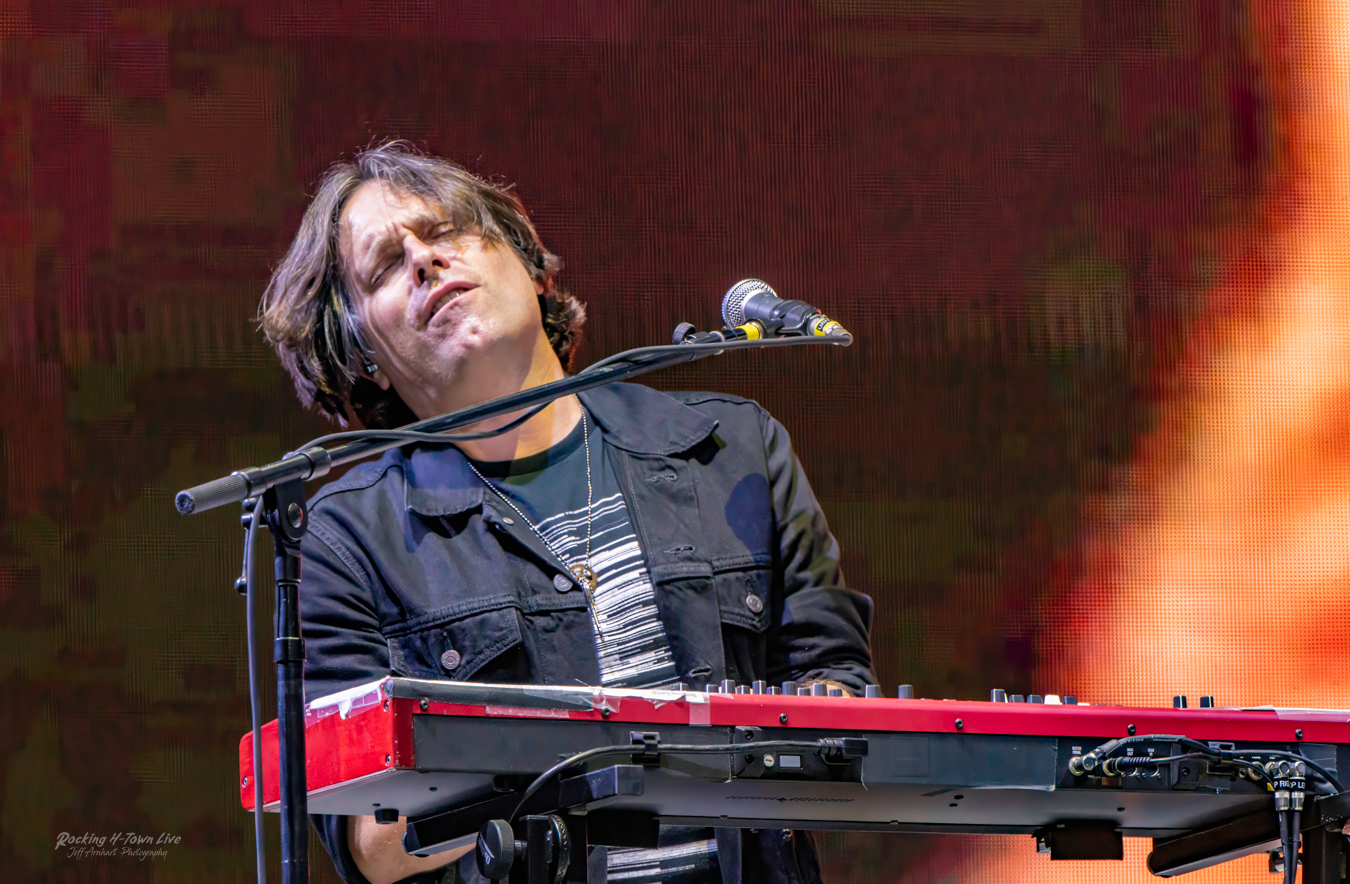
vocals, Ramon “Ray” Yslas on percussion, Carlos Murguía on keyboards
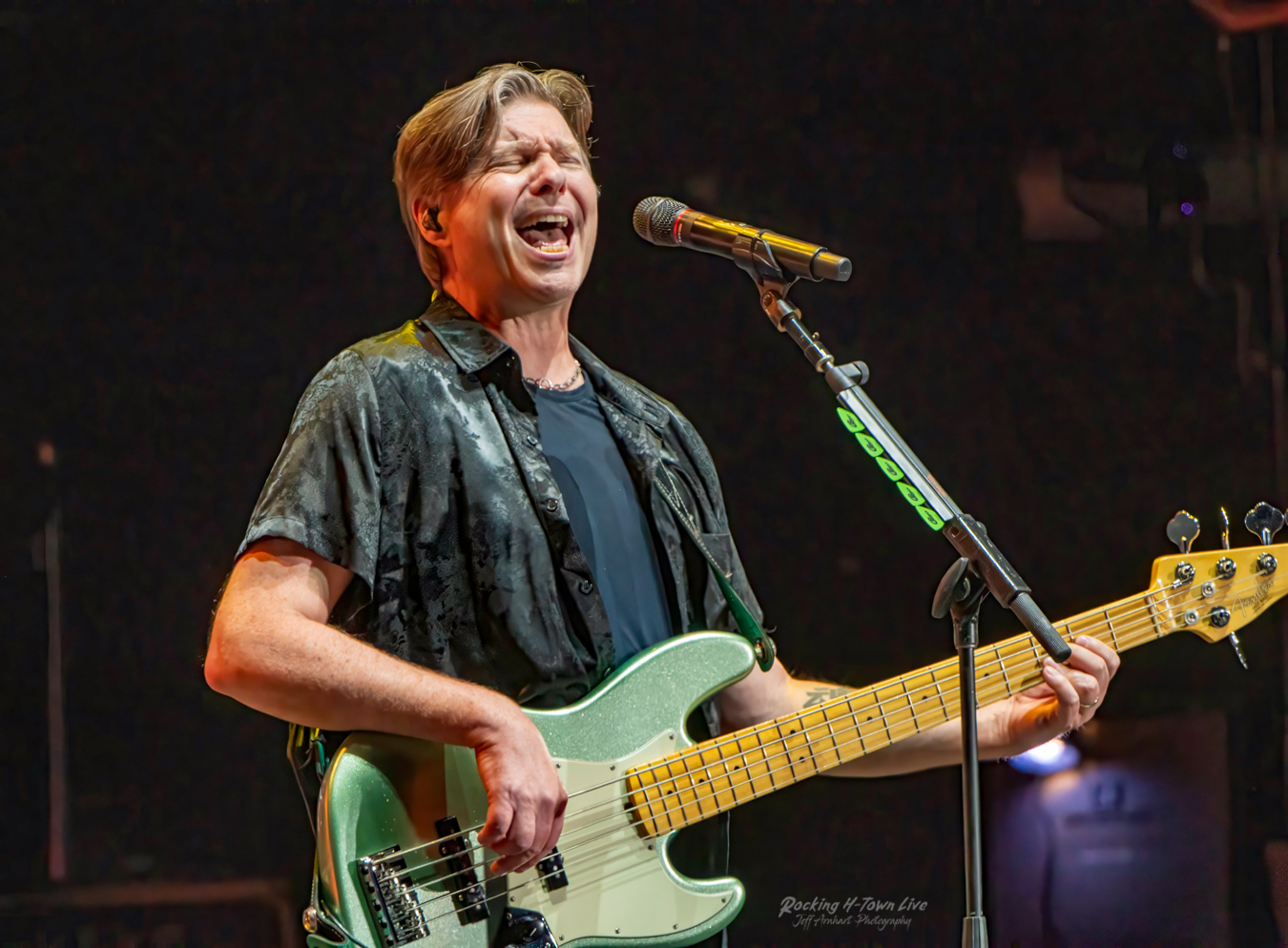
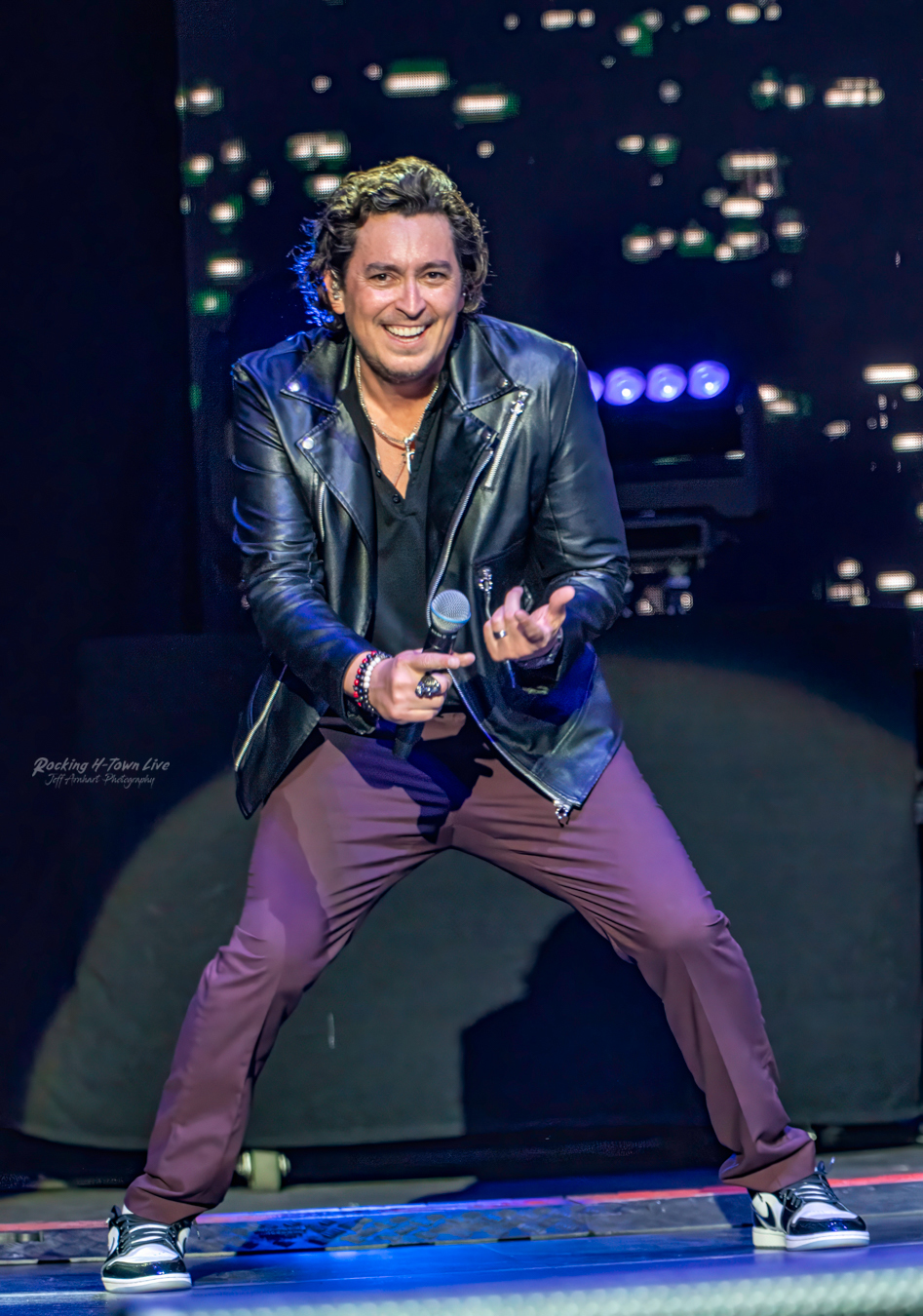
and vocals, Eric Baines on bass and vocals and Rudy Cardenas on lead
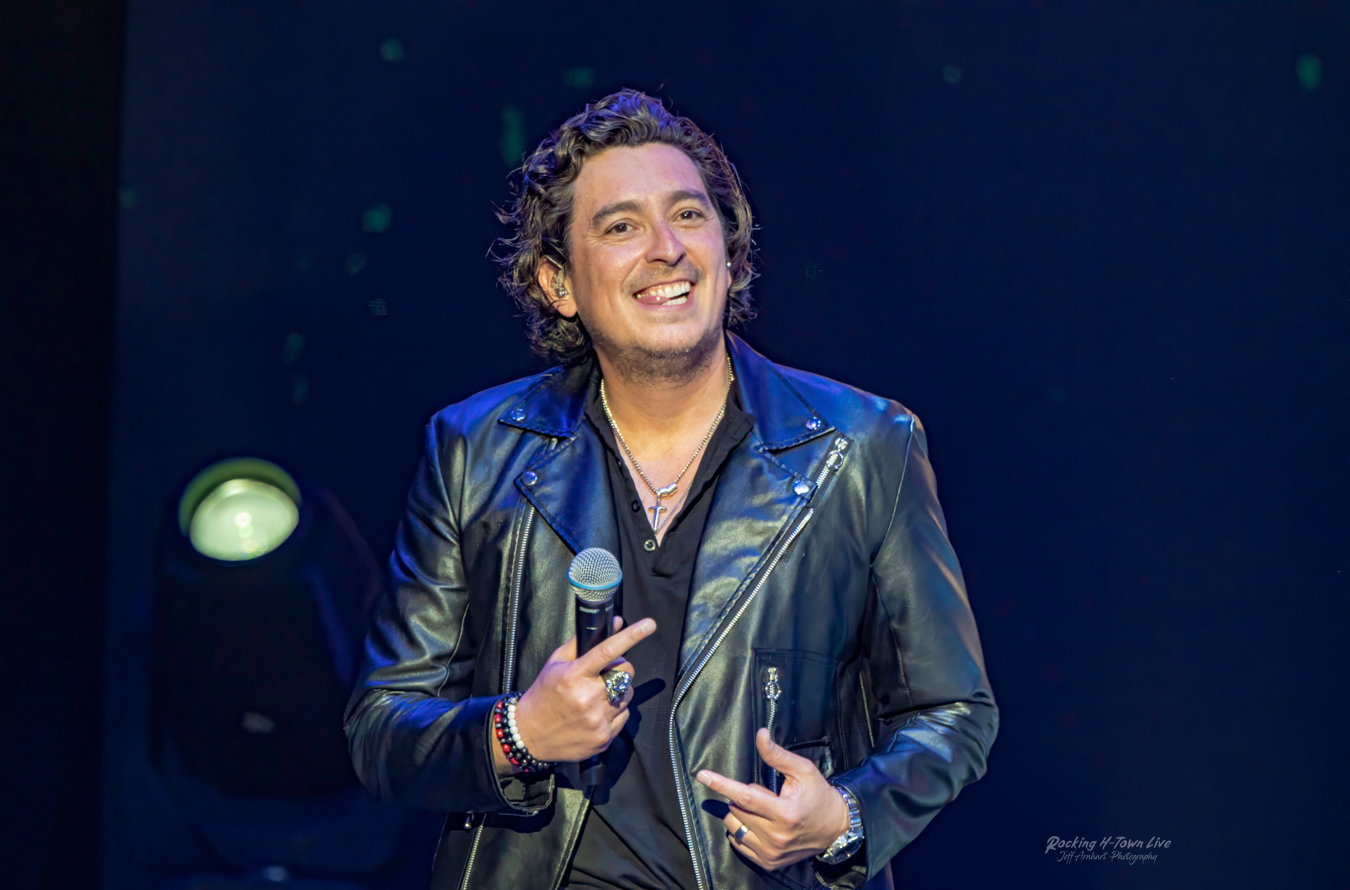
vocals. Cardenas, the newest member of Chicago,
carries one of the band's most demanding roles, stepping into a catalog
filled with some of the most recognizable vocal performances in
American music.
An Introduction to Six Decades
Chicago began with “Introduction,”
an appropriate title for a band whose music has always been about
introducing listeners to something unexpected. The horn section
immediately established the signature sound before “Dialogue (Part I & II)” expanded the musical palette. “Alive Again” brought the rock side of Chicago roaring forward before the band shifted gears with “If You Leave Me Now.” The emotional ballad was followed by “Make Me Smile,” one of the definitive songs from the band's early catalog. Chicago then dug deeper into its expansive early material with “So Much to Say, So Much to Give,” “Anxiety's Moment” and “West Virginia Fantasies.”
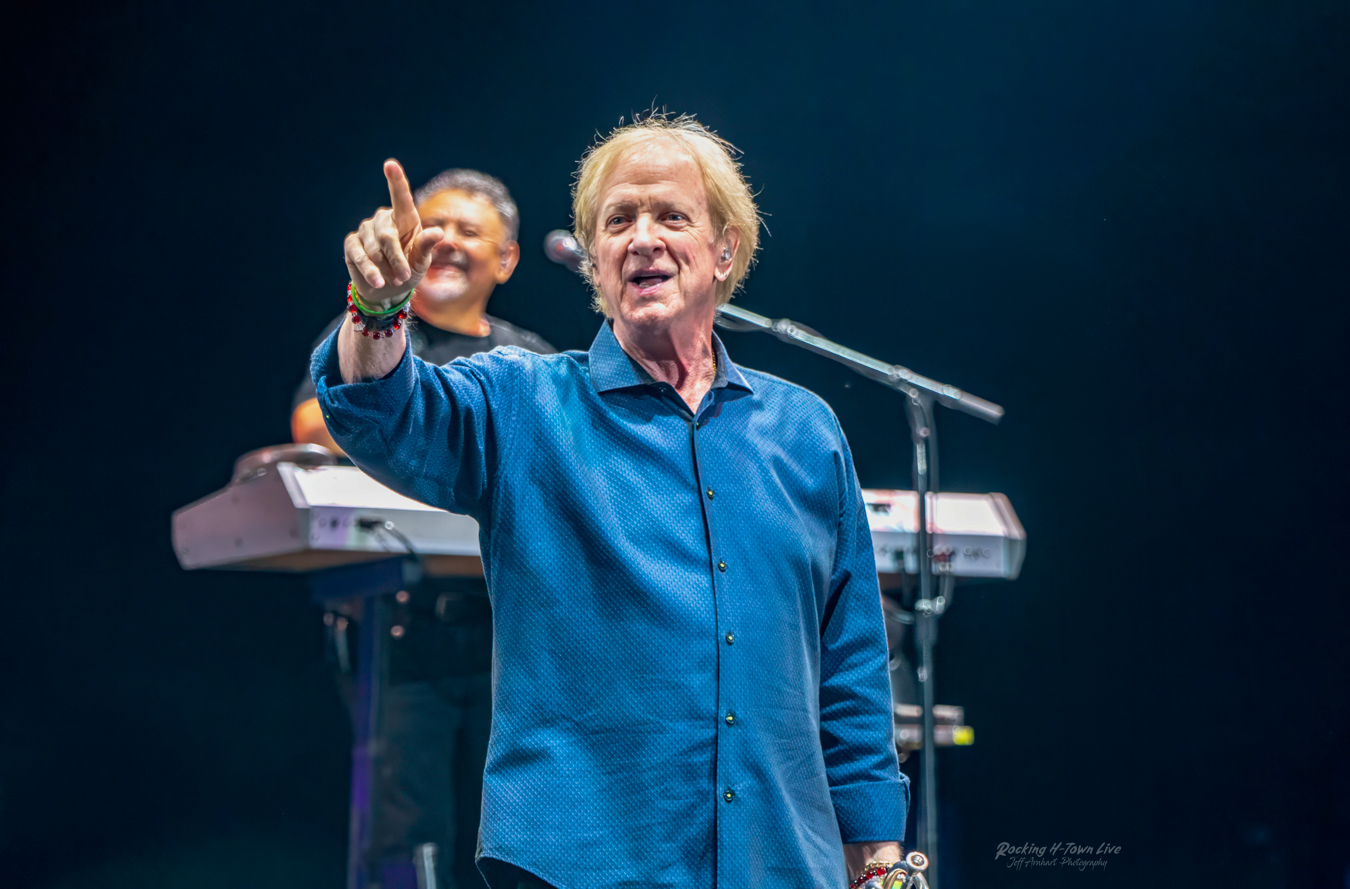
“When Lee Loughnane raises his
trumpet, the connection between Chicago's 1967 beginnings and 2026 is
still standing right in front of the audience.”
The mood changed with “Colour My World,” before “Does Anybody Really Know What Time It Is?” brought the band back to its earliest era. The performance then moved into Chicago's blockbuster 1980s period with “Hard Habit to Break” and “You're the Inspiration.” “Old Days” (in memory of Walter Parazaider) and “Beginnings” followed, bridging Chicago's early progressive ambitions with the pop and rock success that came later.
The Musicians Take the Spotlight
The band then asked the crowd to stand before moving into Jackie Wilson's “(Your Love Keeps Lifting Me) Higher and Higher,” bringing a soulful energy to the Pavilion. The Spencer Davis Group's “I'm a Man”
followed, complete with percussion and drum solos that allowed Ramon
“Ray” Yslas and Walfredo Reyes Jr. to step into the spotlight. It was a
reminder that underneath all of Chicago's famous horns and melodies is a rhythm section capable of generating serious power. “Just You 'n' Me” brought the band back to its melodic side before “Street Player” injected a funky groove into the set. Then came “Hard to Say I'm Sorry / Get Away,” blending Chicago's massive 1980s ballad with its more adventurous instrumental side.
The crowd was fully engaged by the time “Saturday in the Park” arrived. Thousands of voices joined in, turning the Pavilion into something resembling one enormous Chicago choir. “Feelin' Stronger Every Day” brought the main set to its conclusion.
One More Time
Chicago returned for the encore with “Free.” Then came “25 or 6 to 4.”
The opening notes were enough to send another wave through the audience
and the performance brought the evening full circle. The song is one of
Chicago's defining rock statements, a Robert Lamm composition that has remained a staple of the band's live repertoire for generations.
“After 59 years, ‘25 or 6 to 4’ still sounds less like a museum piece than a warning shot.”
As
the final notes faded over The Woodlands, the night's musical journey
was complete. A night connected by The Windy City, the brilliance of
this pairing became clearer as the evening progressed. Styx and Chicago came from the same city, but their musical paths diverged dramatically. Styx built its reputation on progressive arrangements, theatrical concepts, synthesizers, guitar harmonies and soaring melodies. Chicago
built its identity around horns, jazz influences, soul, pop songwriting
and an unusually sophisticated instrumental approach, yet the
connection was unmistakable.
Both
bands began with young musicians from Chicago who wanted to create
something bigger than the music surrounding them. Both survived major
lineup changes. Both endured tragedy. Both lost founding members. Both
watched musical trends come and go, and both kept touring. That made Styx's role as the opener particularly fitting. The band wasn't simply preparing the audience for Chicago, it was setting the historical context for the night.
“Two bands born in Chicago. Two radically different sounds. One shared belief that great songs don't have an expiration date.”
By the time the lights came up at The Cynthia Woods Mitchell Pavilion,
the evening had become more than a classic-rock double bill. It was a
celebration of two bands that helped define American rock music. The
remarkable fact that decades after they first began playing together in
Chicago, their songs can still fill a summer night in The Woodlands. Styx opened the door. Chicago walked through it. Together they proved that The Windy City still has plenty to say.
Styx Setlist:
Mob Rules (From Tape (Black Sabbath Cover)
Fooling Yourself (The Angry Young Man)
Lorelei
Build and Destroy
Lady
Too Much Time on My Hands
The Grand Illusion
Light Up
Crystal Ball (with band introductions)
Rockin' the Paradise
Our Wonderful Lives
The Best of Times
Blue Collar Man (Long Nights)
Come Sail Away
Encore:
Mr. Roboto
Renegade
Chicago Setlist:
Introduction
Dialogue (Part I & II)
Alive Again
If You Leave Me Now
Make Me Smile
So Much to Say, So Much to Give
Anxiety's Moment
West Virginia Fantasies
Colour My World
Does Anybody Really Know What Time It Is?
Hard Habit to Break
You're the Inspiration
Old Days
Beginnings
(Your Love Keeps Lifting Me) Higher and Higher
(Jackie Wilson cover)
I'm a Man (The Spencer Davis Group cover)
(with percussion and drum solos)
Just You 'n' Me
Street Player
Hard to Say I'm Sorry / Get Away
Saturday in the Park
Feelin' Stronger Every Day
Encore:
Free
25 or 6 to 4
|
Chicago
Styx
|