Southern Rock Meets Arena Rock:
Lynyrd Skynyrd and Foreigner Bring
Double Trouble Double Vision to The Woodlands
By Honey Rumbles / Jeff Arnhart Photography
Lynyrd Skynyrd and Foreigner turned a extremely warm Thursday night at the Cynthia Woods Mitchell Pavilion into a celebration of two very different - and equally enduring - sides of classic rock, with Six Gun Sally
setting the tone for an evening built on big guitars, bigger choruses
and songs that have outlived generations. There are certain nights when
a concert feels less like a stop on a tour and more like a living
history lesson. Thursday, August 27, at the Cynthia Woods Mitchell Pavilion was one of those nights.
With Southern rock powerhouse Lynyrd Skynyrd and Rock & Roll Hall of Fame hitmakers Foreigner
sharing the bill on the Double Trouble Double Vision Tour, the evening
brought together two bands whose music helped define different corners
of the classic-rock landscape. Opening the night was Southern rock
outfit Six Gun Sally, whose
seven-piece attack provided an appropriate introduction to what was to
come. For a Thursday evening in The Woodlands, the recipe was almost
impossible to beat: Southern rock, arena anthems, three-guitar
firepower, soaring vocals and a catalog that has been embedded in
American rock culture for decades.
“Three bands. Three generations of rock. One very loud night in The Woodlands.”
Six Gun Sally: Starting the Night with Southern Grit
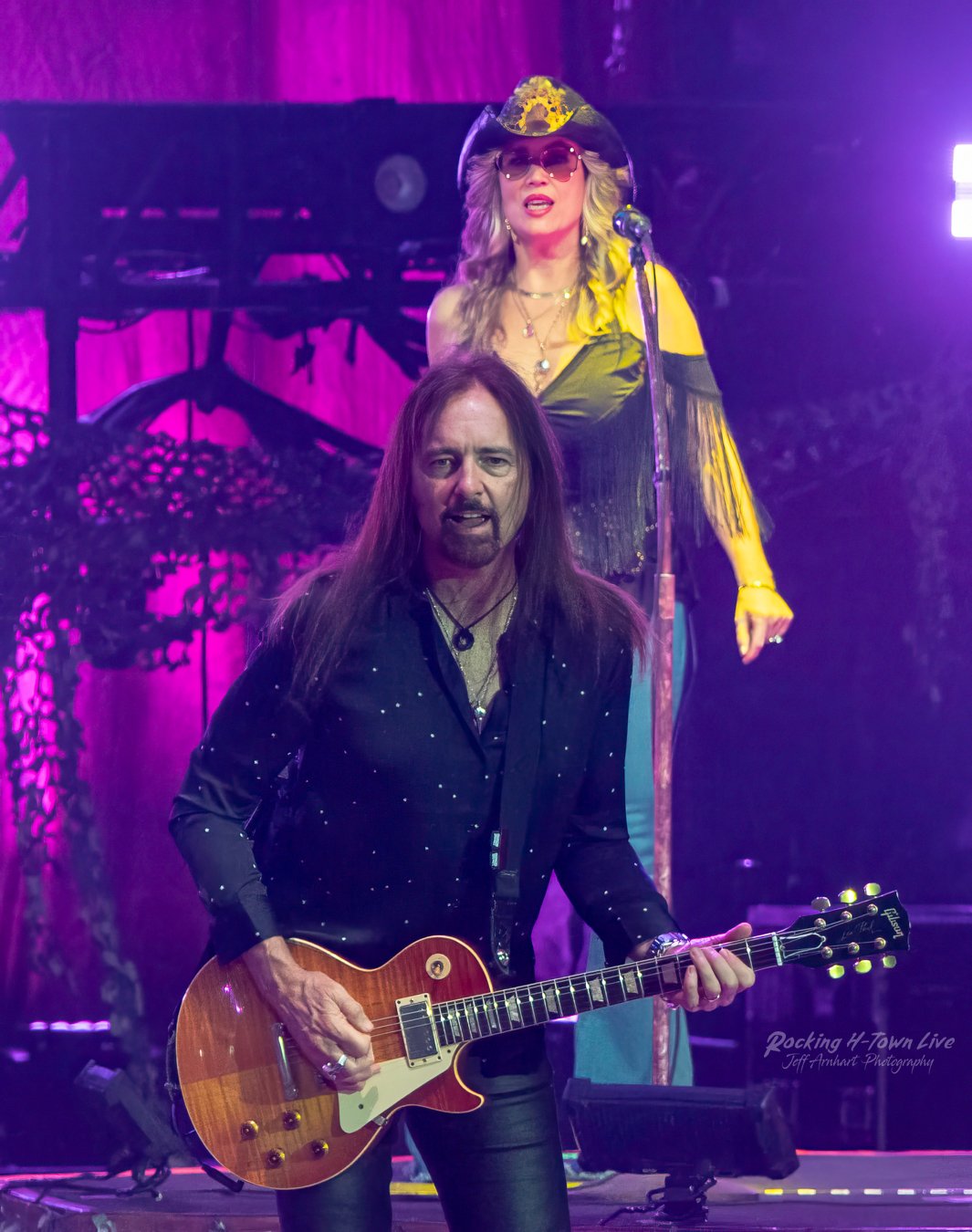
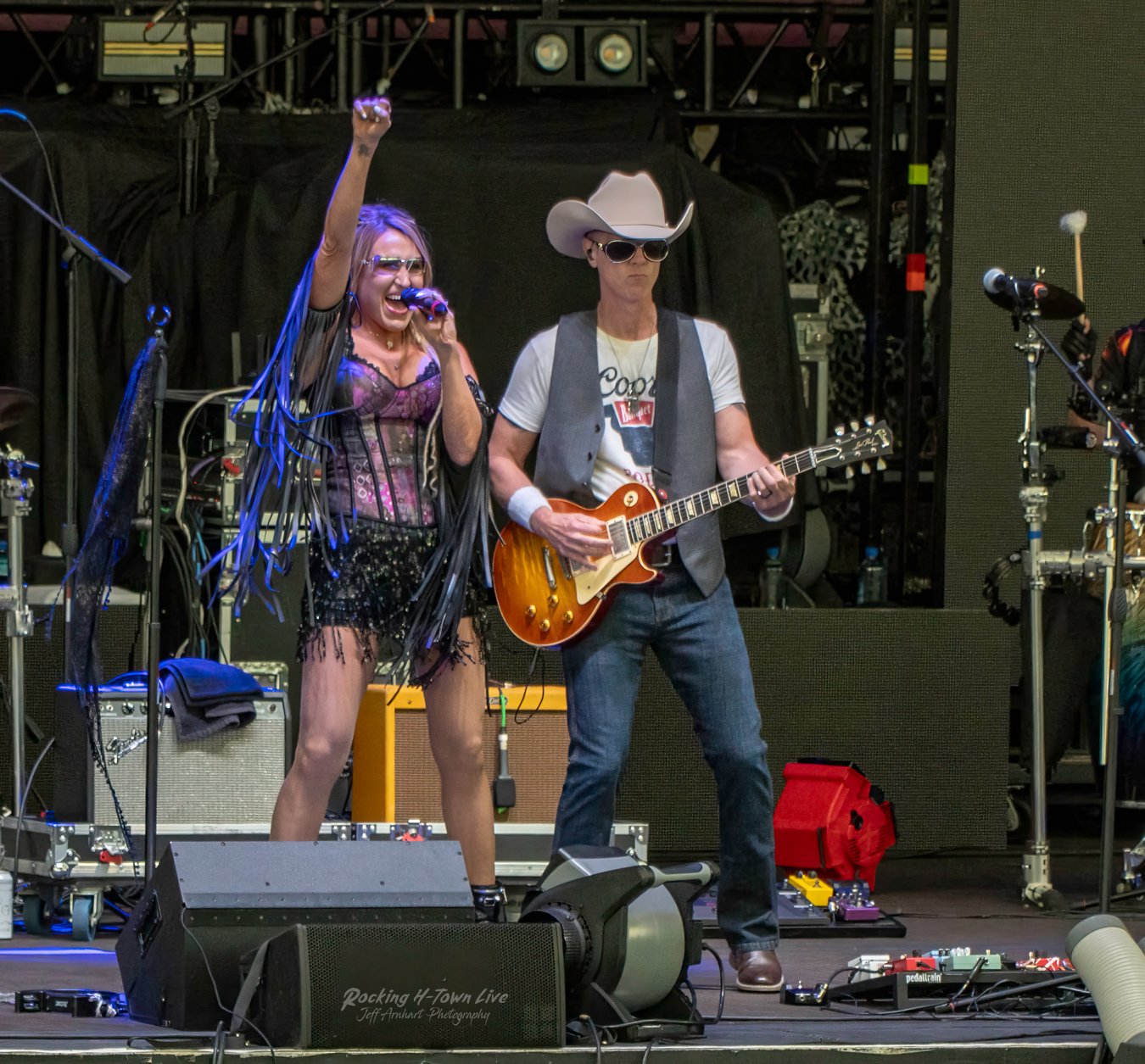
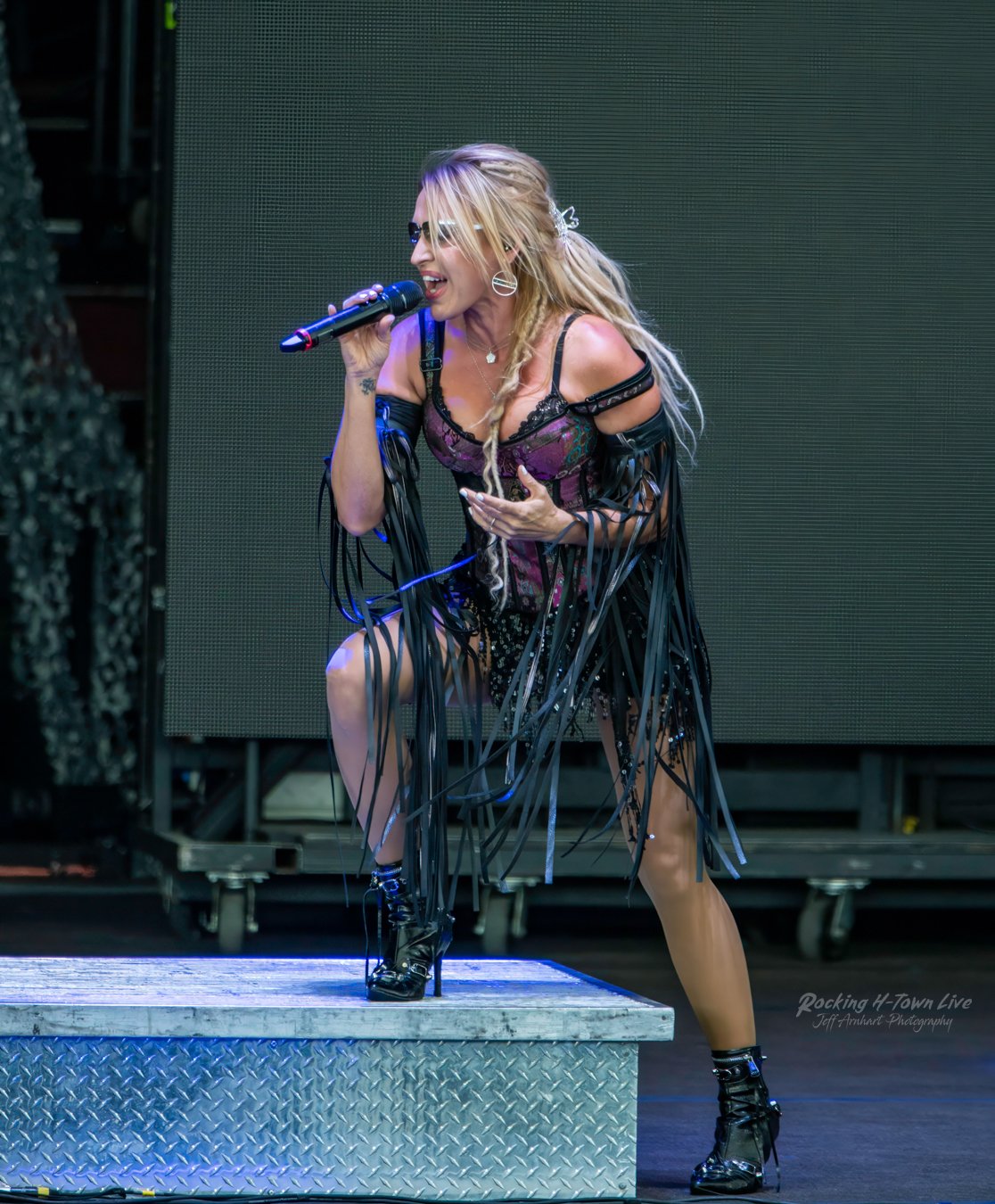
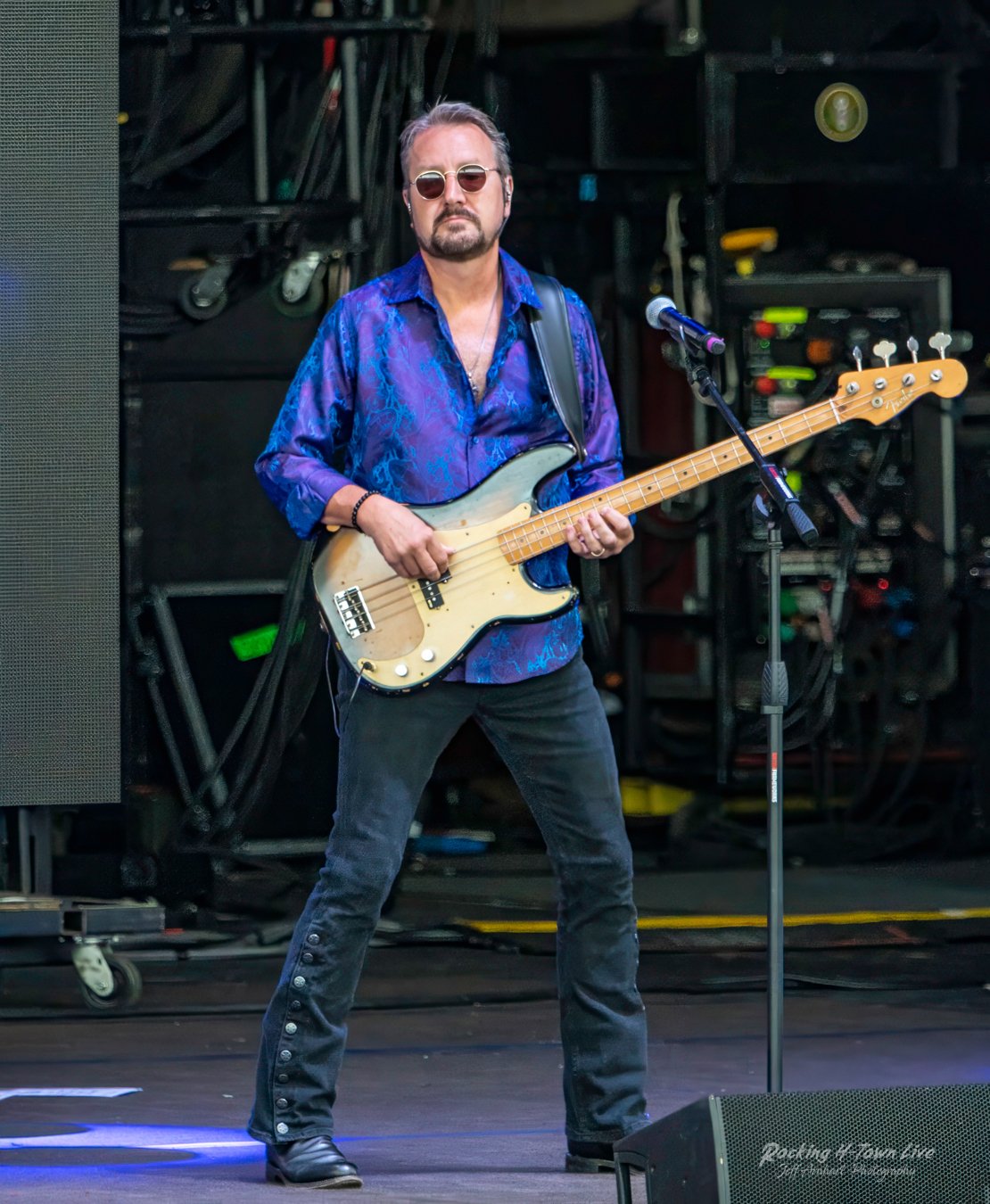
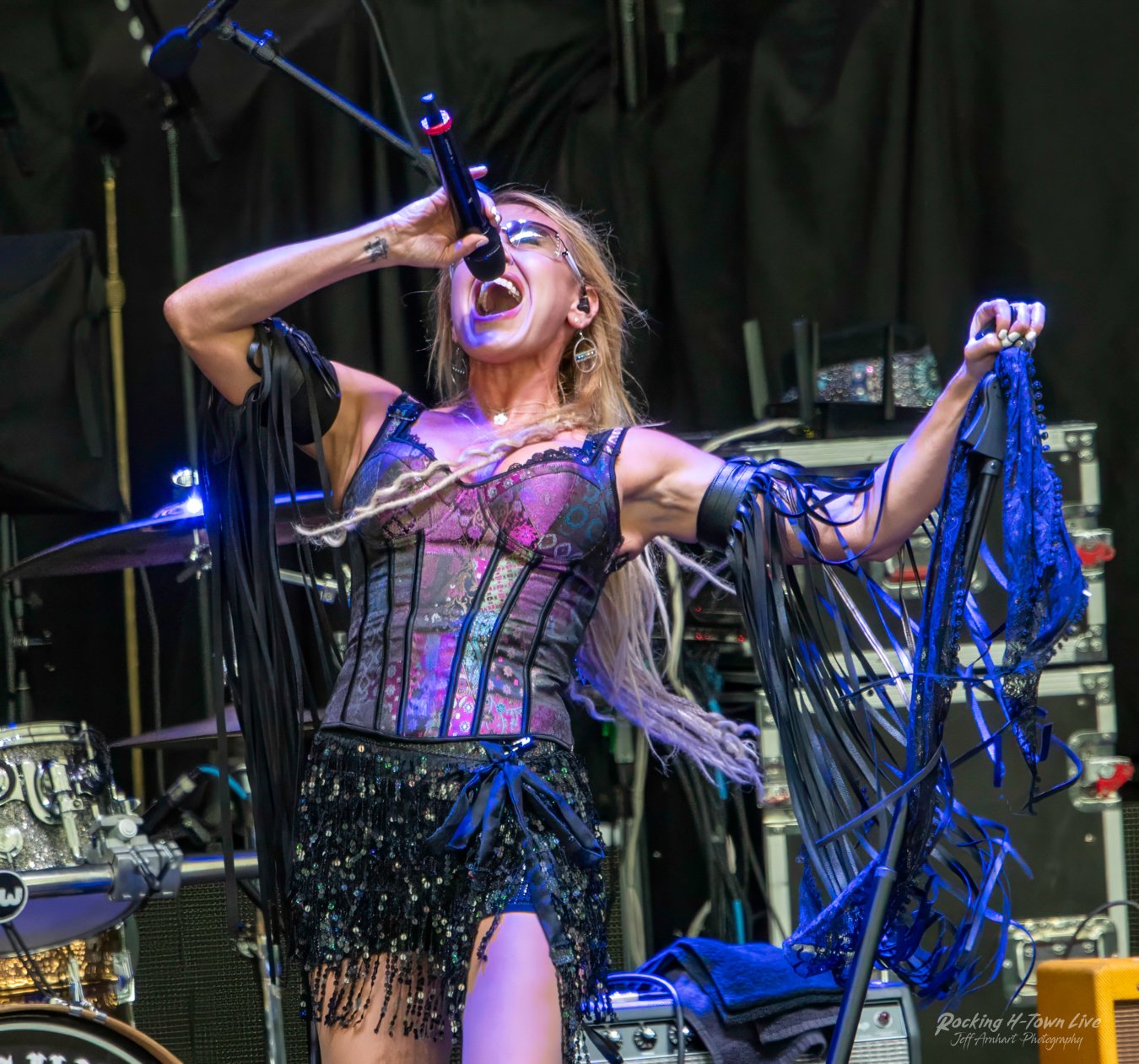
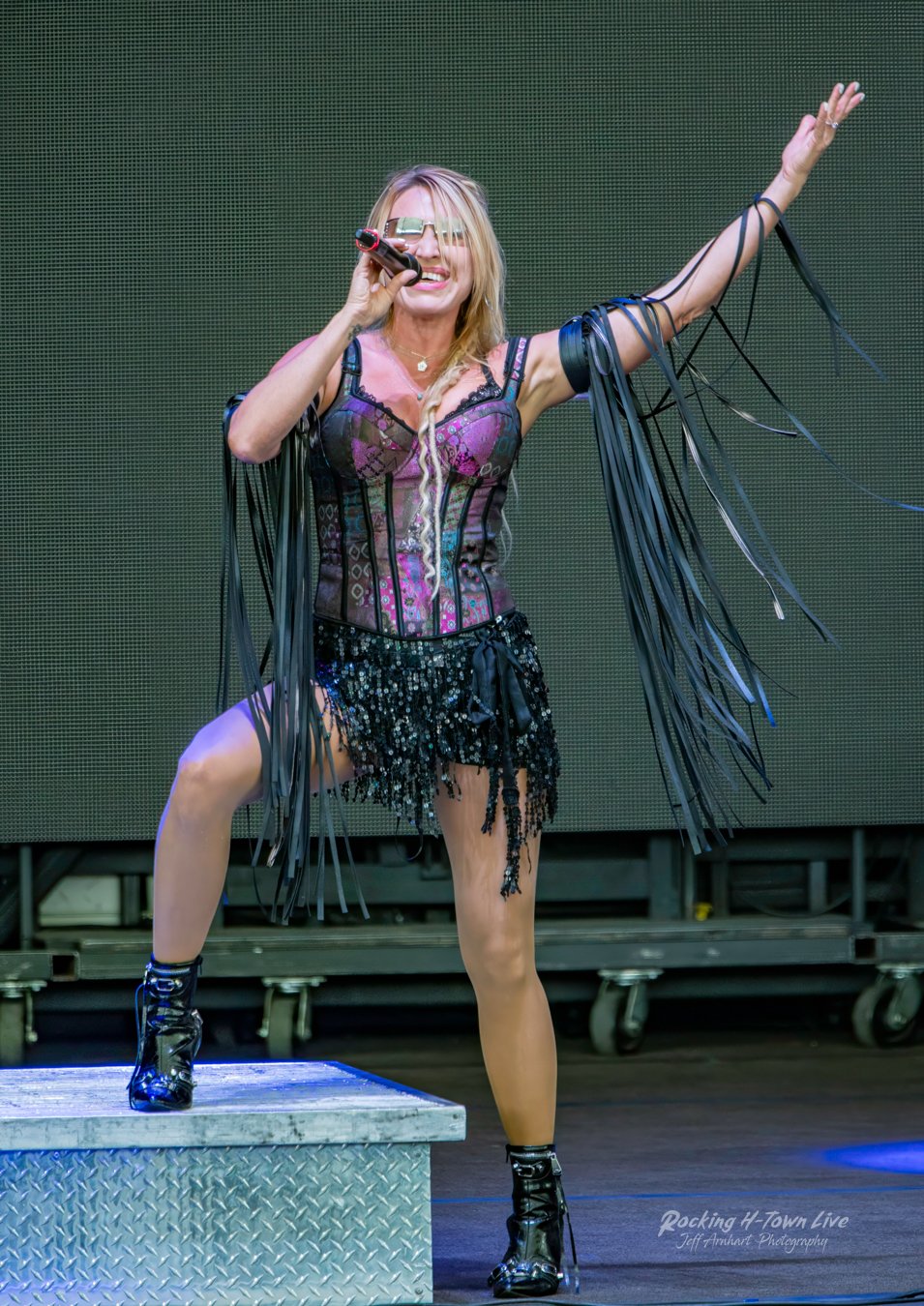
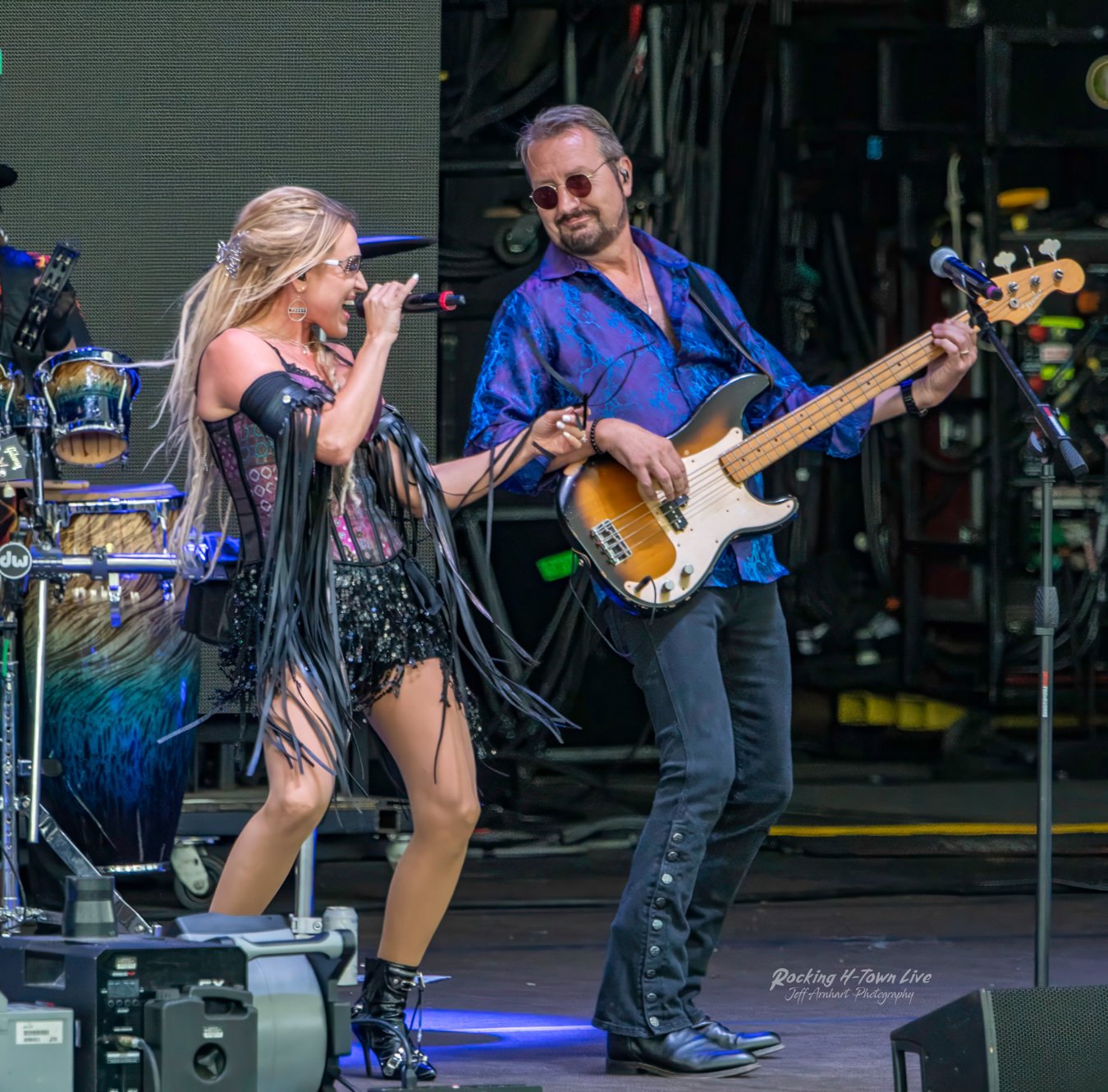
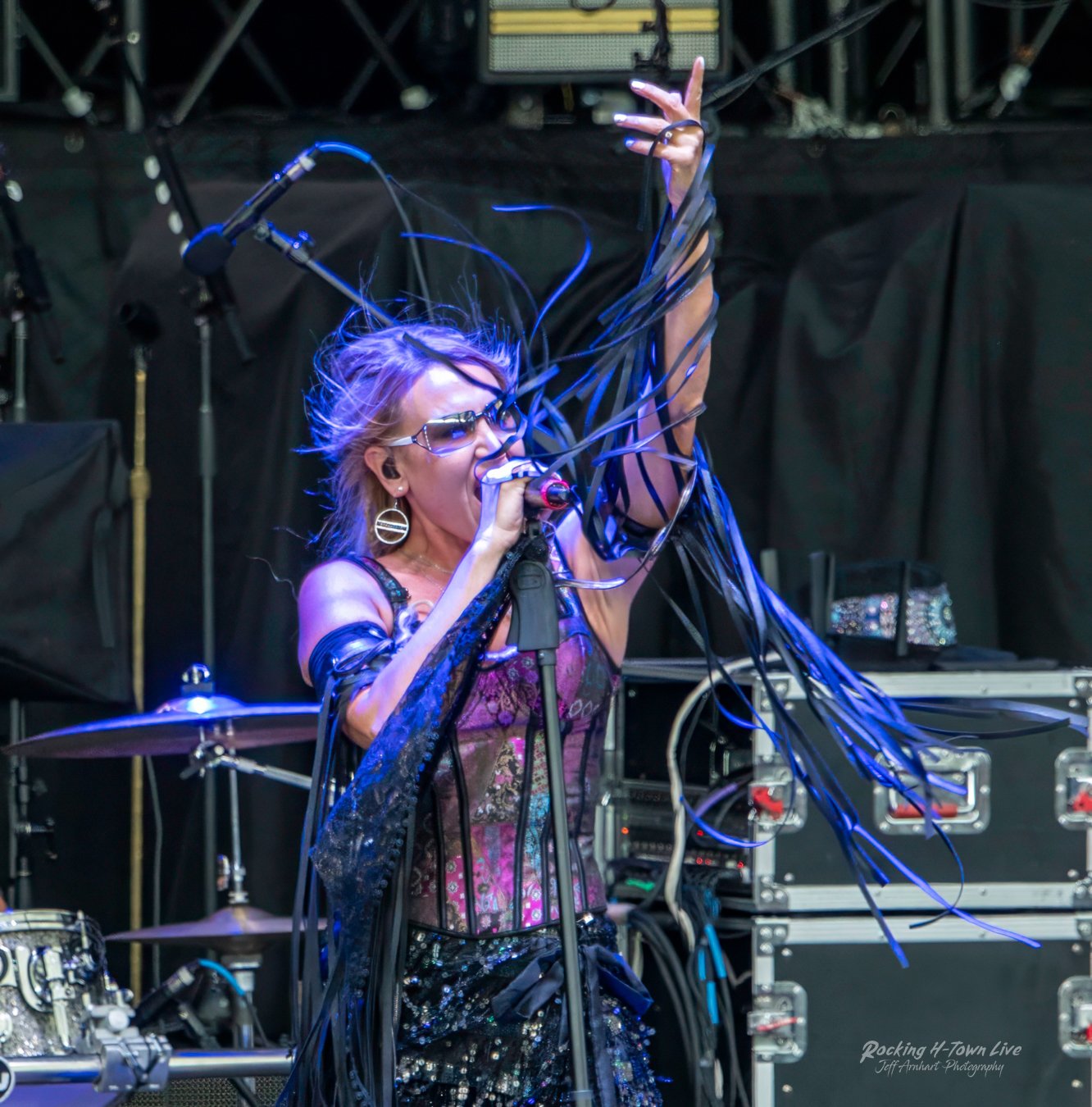
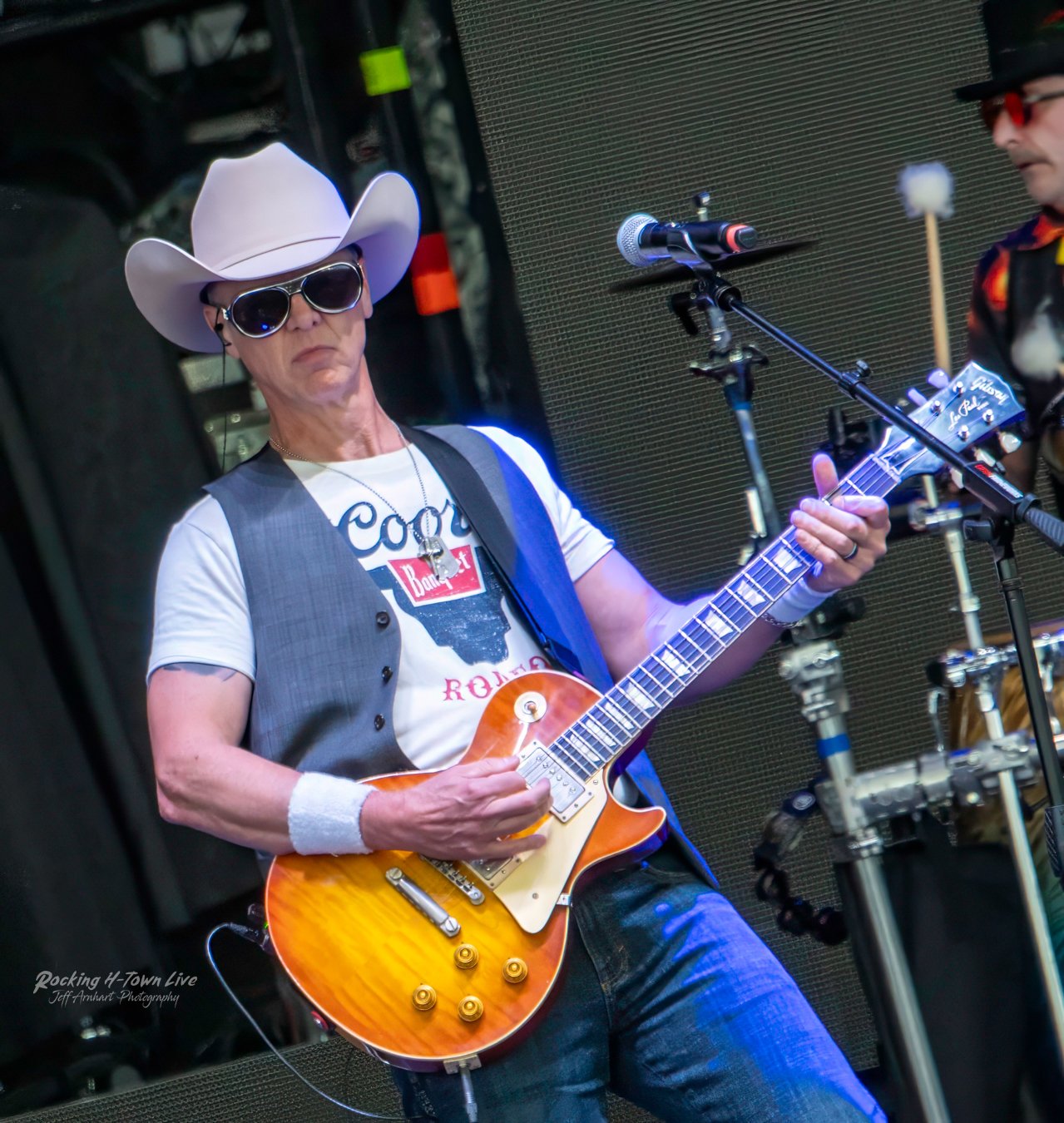
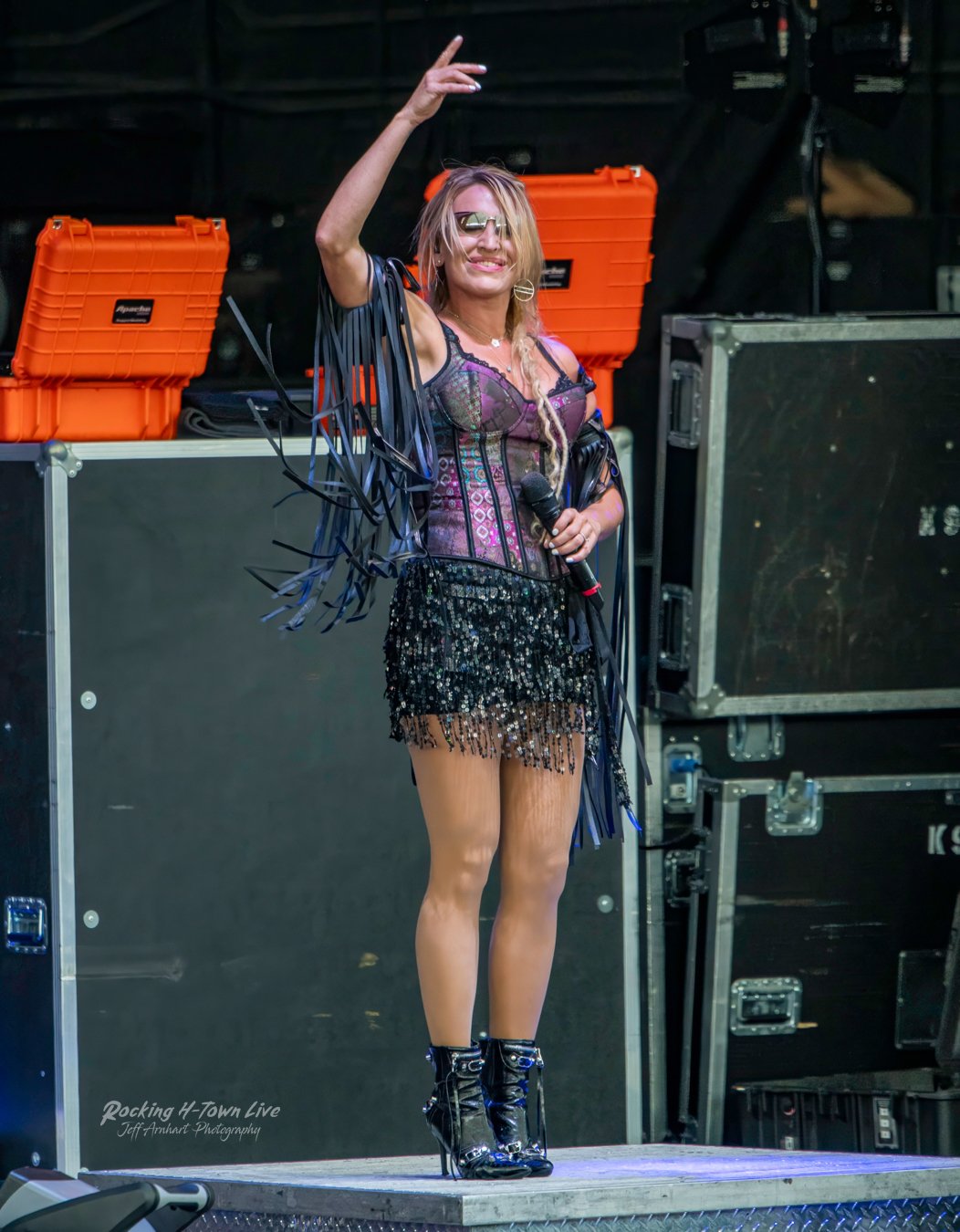
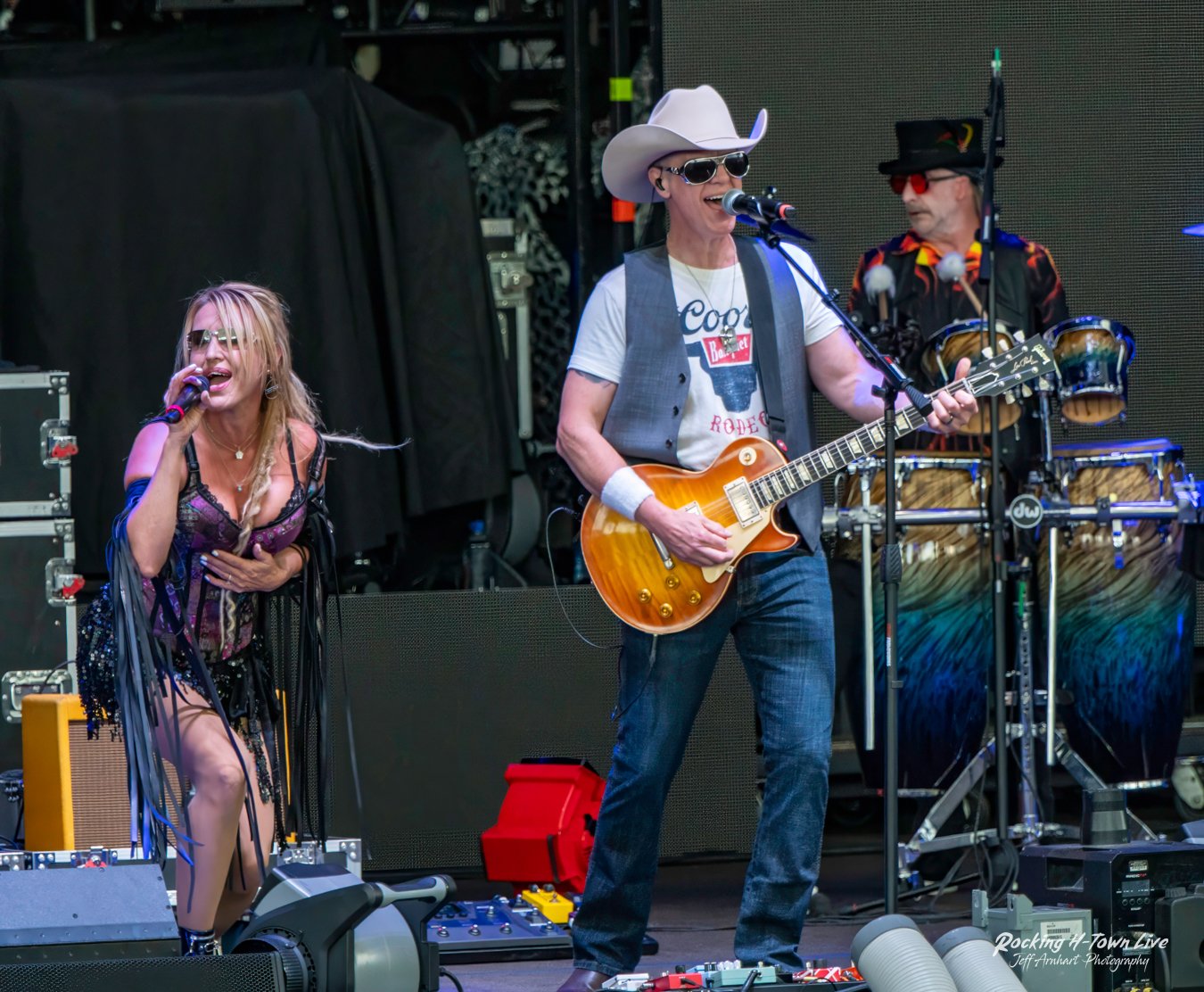
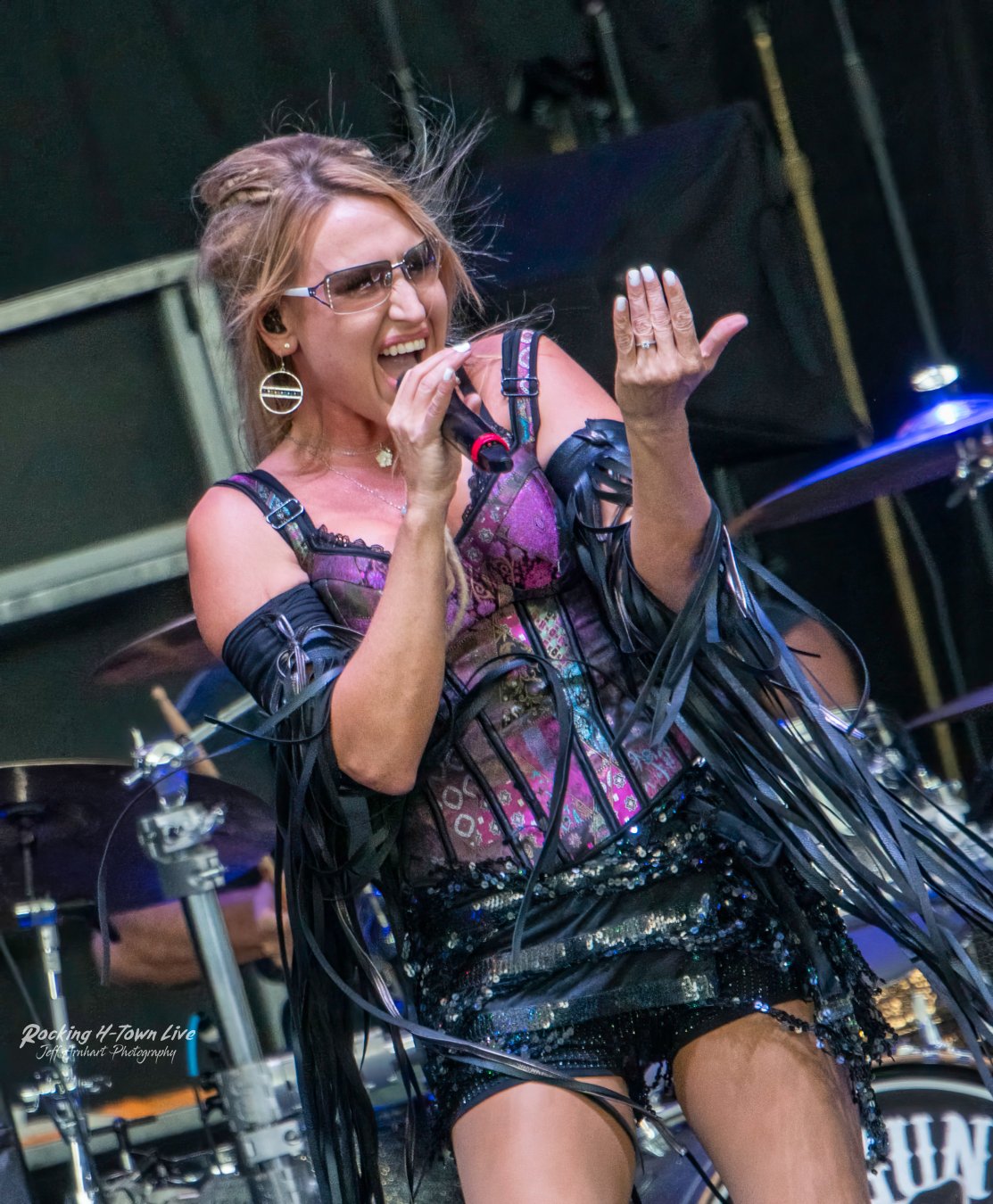
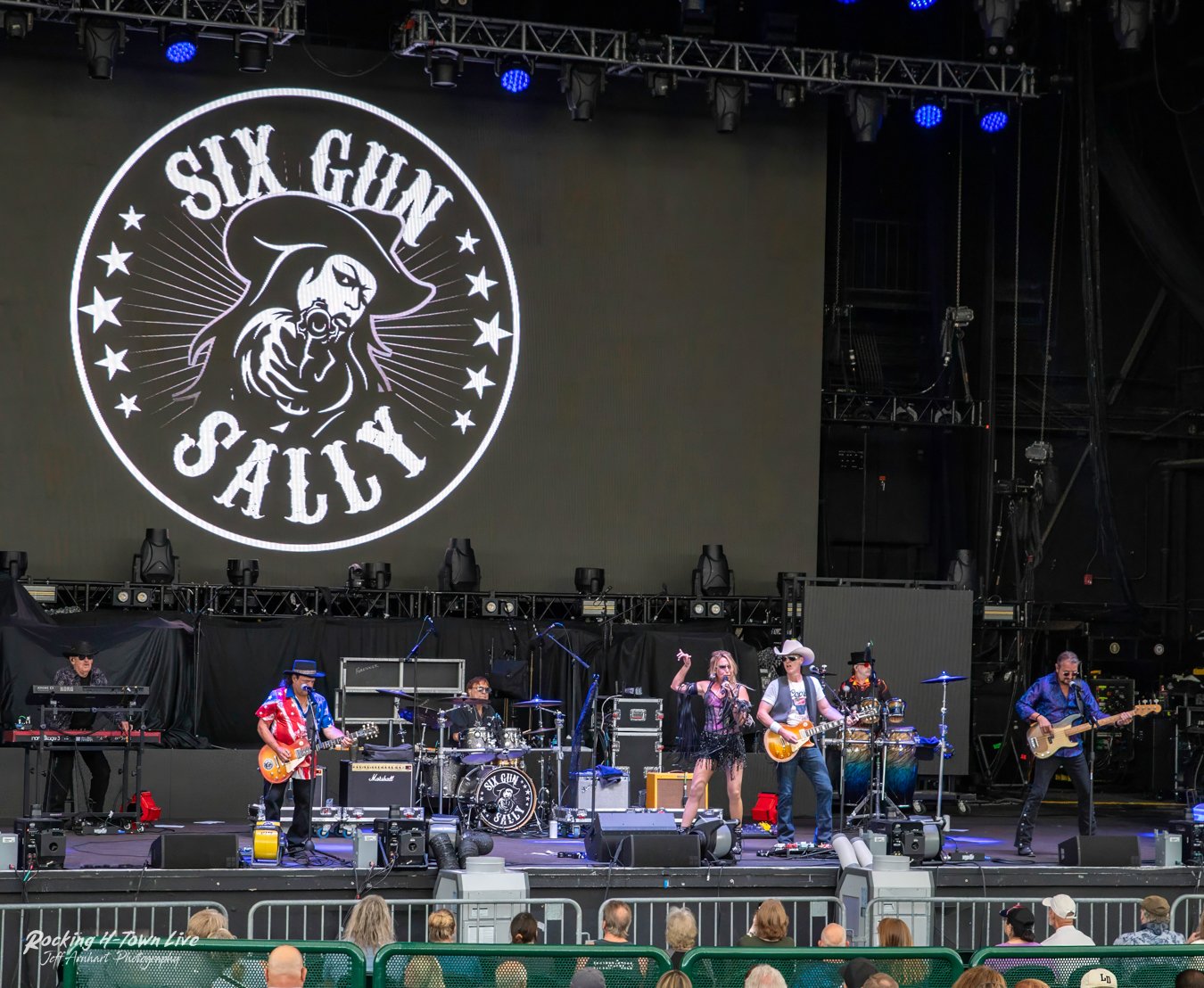
The evening began with Six Gun Sally,
a seven-piece Southern rock band built around the powerhouse vocals of
Aimee Jane Williams, with Allen Granus on lead guitar, Jeff Yeckel on
lead and rhythm guitar, Stan Brusoski on bass and backing vocals, Billy
G on percussion and drums, Dave Barbe on drums and percussion and Dan
Rach on keyboards. The band's official lineup identifies those seven
musicians as the core of Six Gun Sally.
The band's musical mission fits this bill perfectly. Six Gun Sally
describes itself as a Southern and classic-rock group influenced by the
likes of Lynyrd Skynyrd, the Allman Brothers, Molly Hatchet, Janis
Joplin, Led Zeppelin and Fleetwood Mac, while also incorporating
original material. Williams, a Pittsburgh-born singer and songwriter
who later worked in Nashville, brings an especially strong pedigree to
the group. Her background includes performances with major rock acts
and a growing body of original material, while her work with Six Gun Sally has placed her squarely in the modern Southern-rock conversation.
The set opened with “Sittin' Pretty” and the crowd immediately took notice. From there came “Stand Up,”
a fitting showcase for a band whose recent album carries the same
title. The set moved comfortably between originals and carefully chosen
classics. “Piece of My Heart,”
the Erma Franklin song famously associated with Janis Joplin, gave
Williams a chance to lean into the bluesier side of her voice, while “Ain't Goin' Down” and “Gypsy Queen” kept the momentum moving. Then came “Somebody to Love,” originally recorded by The Great Society, followed by “Redneck White & Badass Blue.” The Allman Brothers Band classic “Ramblin' Man” provided another Southern-rock connection before Six Gun Sally closed its set with “Fast Train.”
It was a set designed less as a nostalgic exercise
than as a statement: Southern rock isn't merely something preserved in
a museum. It is still being played, written and pushed forward.
Foreigner: A Celebration of the Songs That Built Arena Rock
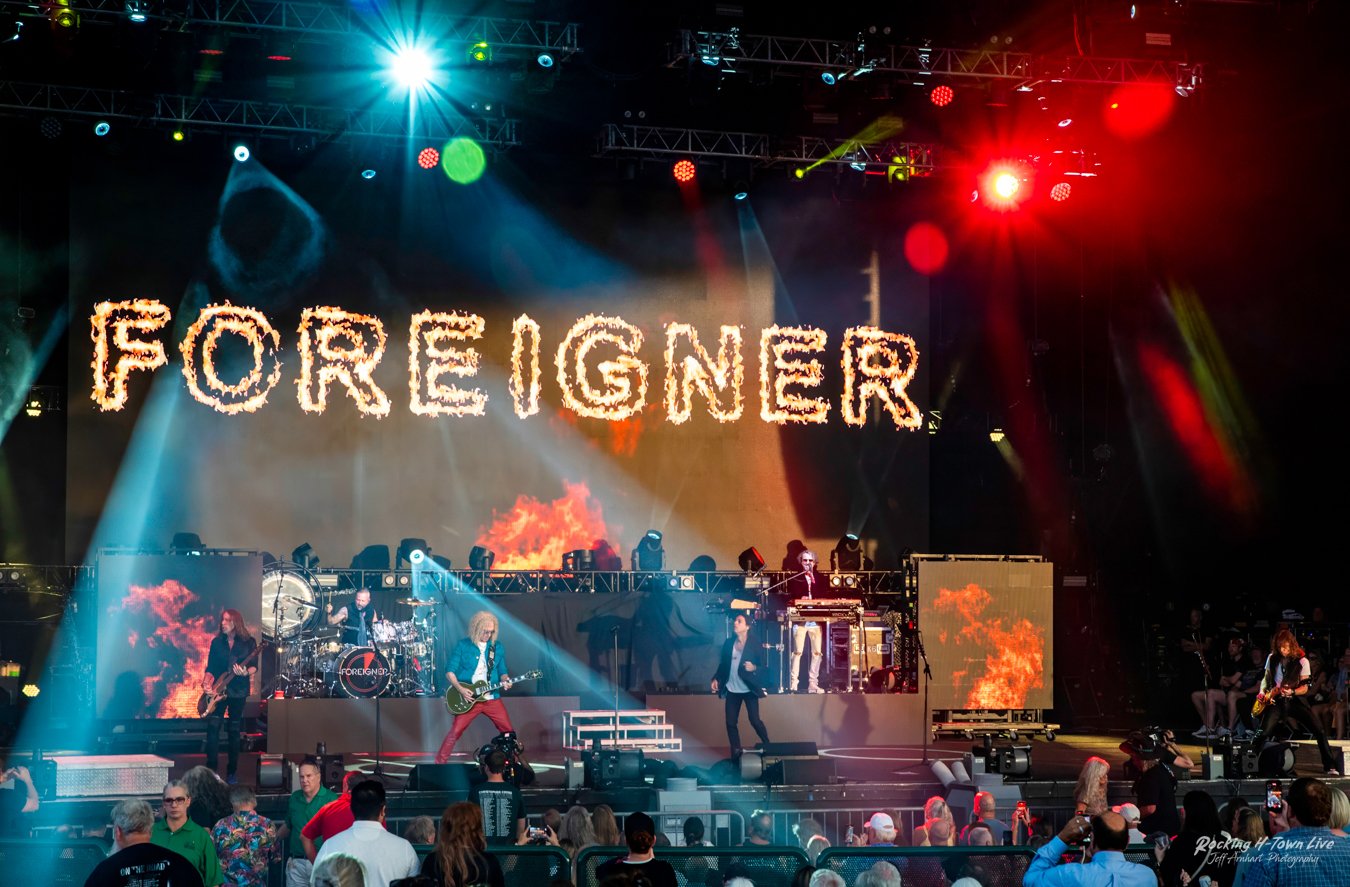
If Six Gun Sally opened the evening with Southern-rock grit, Foreigner took the Cynthia Woods Mitchell Pavilion
and turned it into a full-blown arena-rock cathedral. Before a single
note of the set was played, the significance of the night was already
apparent. The band was introduced by Al Greenwood, Foreigner's
original keyboardist and one of the musicians who helped establish the
band's unmistakable sound when the group formed in 1976. Greenwood's
presence immediately connected the current incarnation of Foreigner to the band's earliest days.
Foreigner's
history is inseparable from guitarist Mick Jones, who formed the band
with Greenwood, vocalist Lou Gramm, bassist Ed Gagliardi and drummer
Dennis Elliott. The group's 1977 self-titled debut exploded onto the
rock scene with songs such as “Feels Like the First Time,” “Cold as Ice” and “Long, Long Way From Home.” Over the following decades, Foreigner
would sell tens of millions of albums and produce a remarkable run of
rock-radio staples. The band was ultimately inducted into the Rock
& Roll Hall of Fame in 2024, recognition that arrived after decades
of influence on hard rock, pop-rock and the arena-rock format.
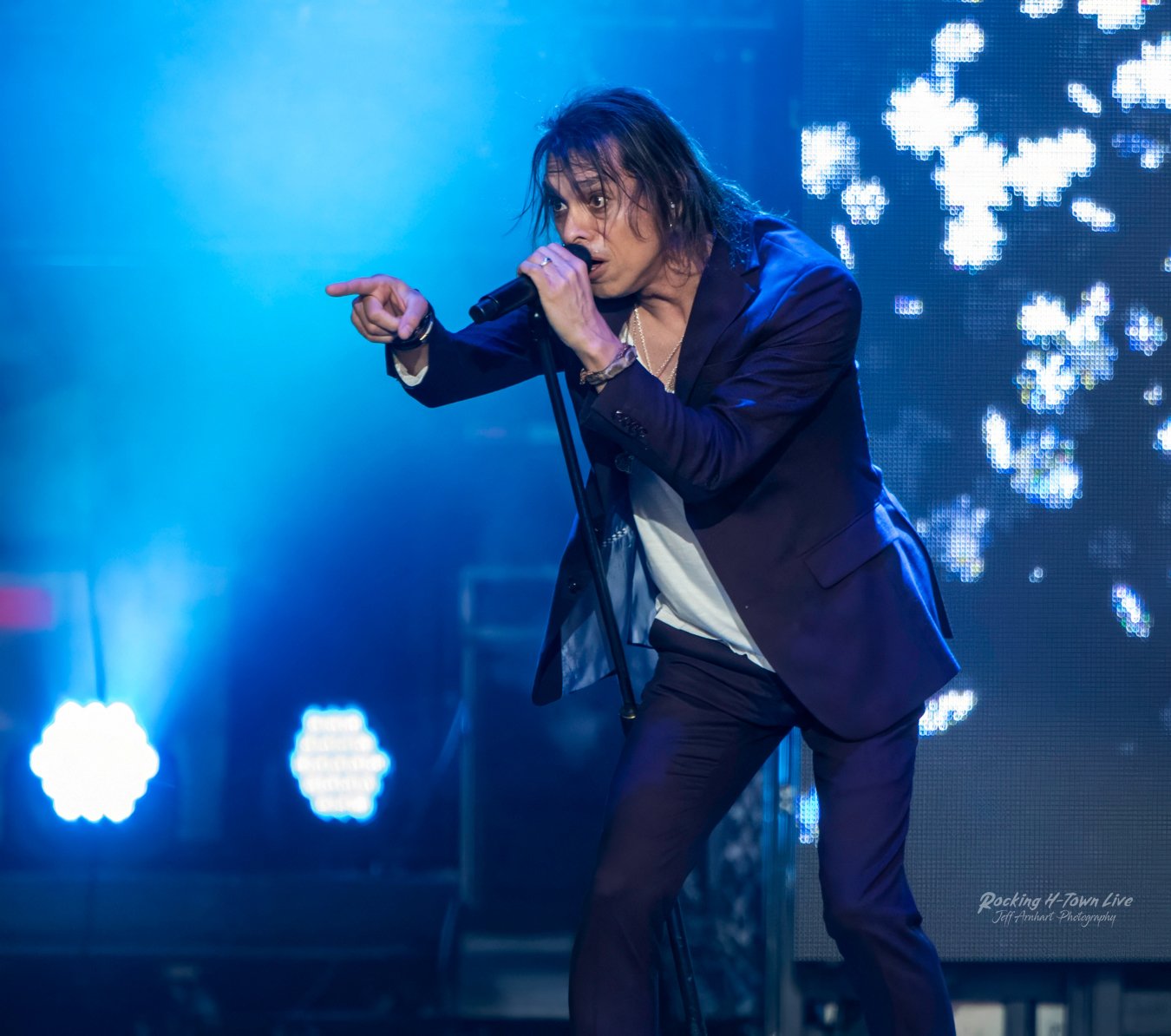
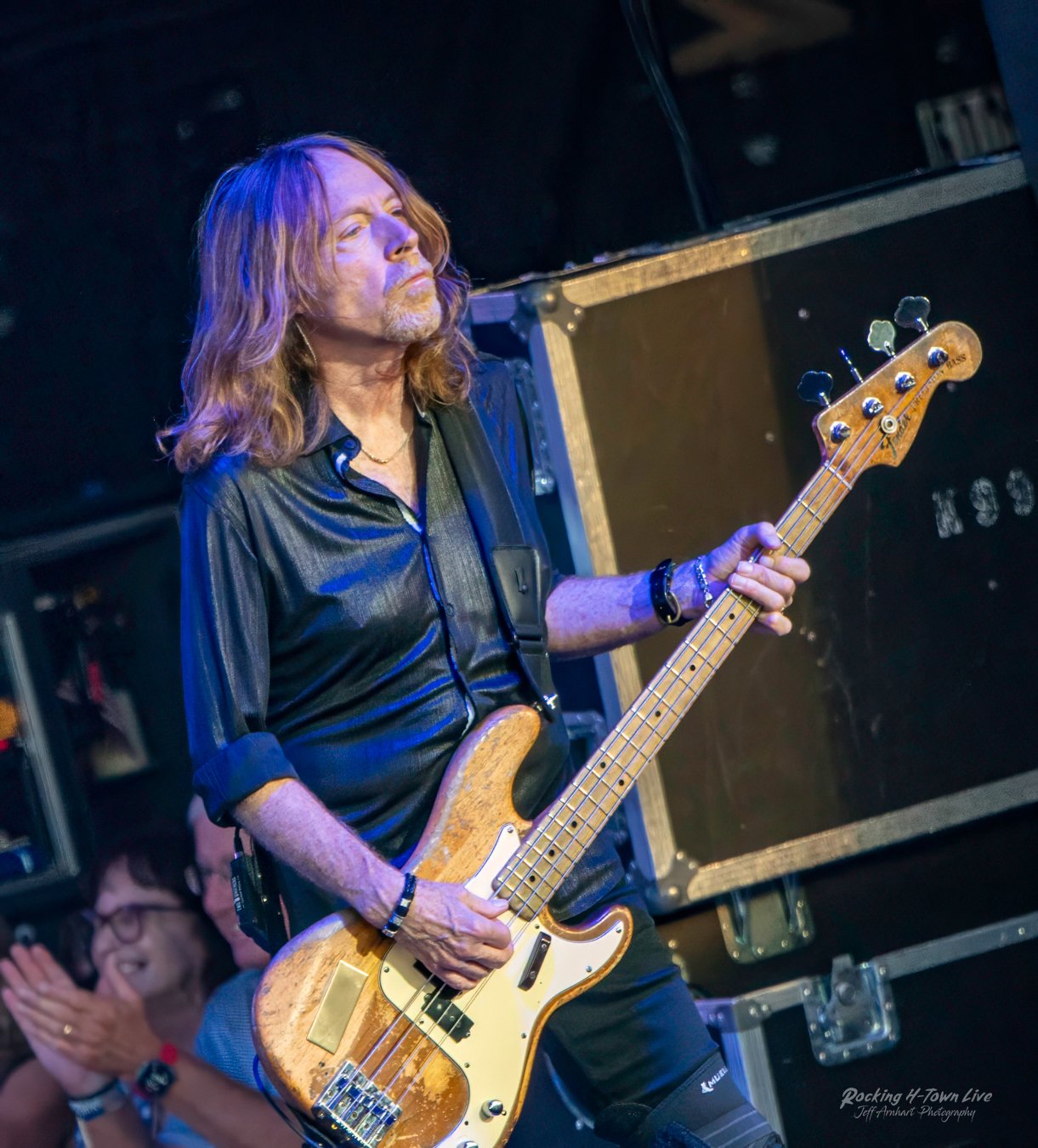
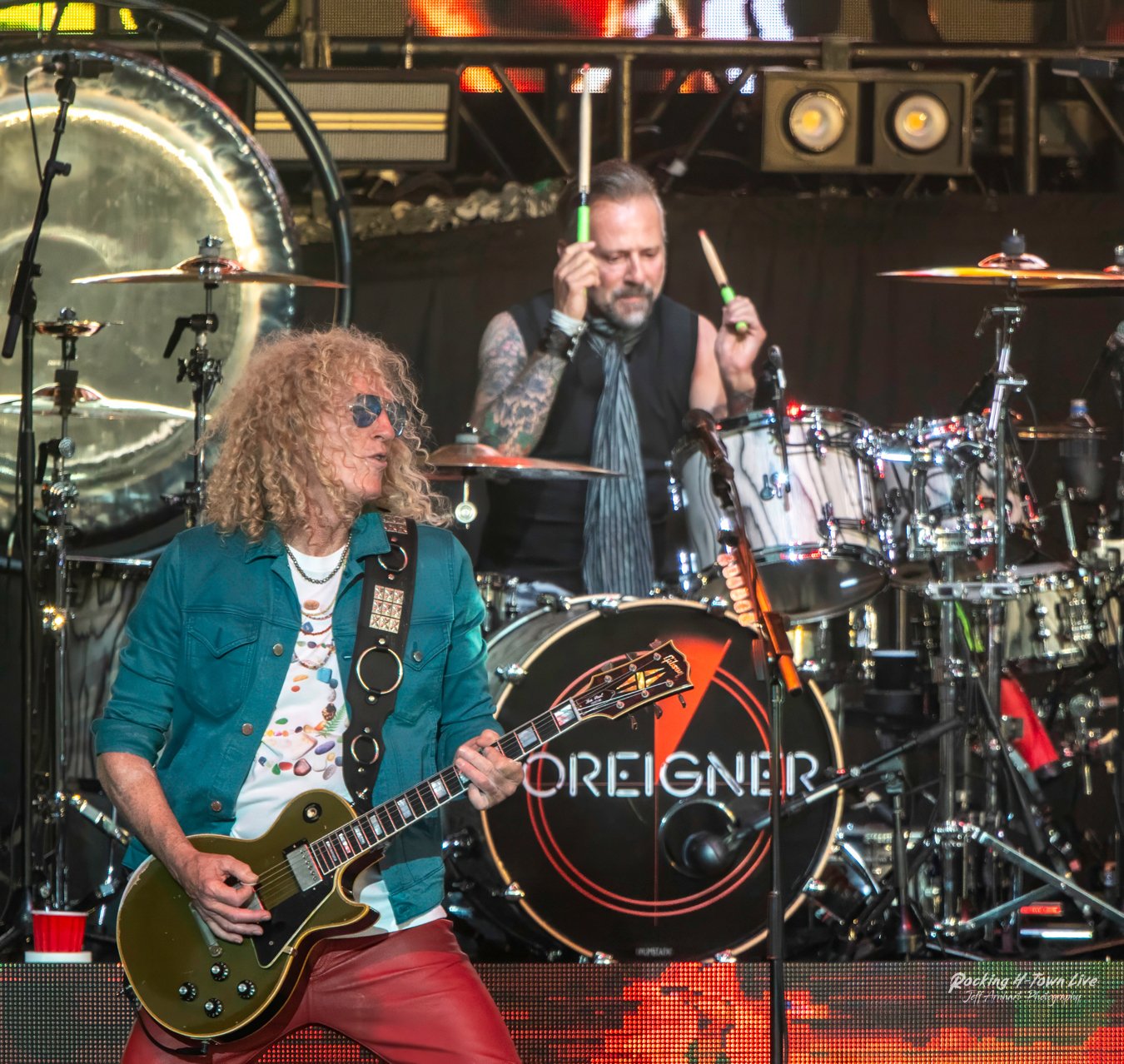
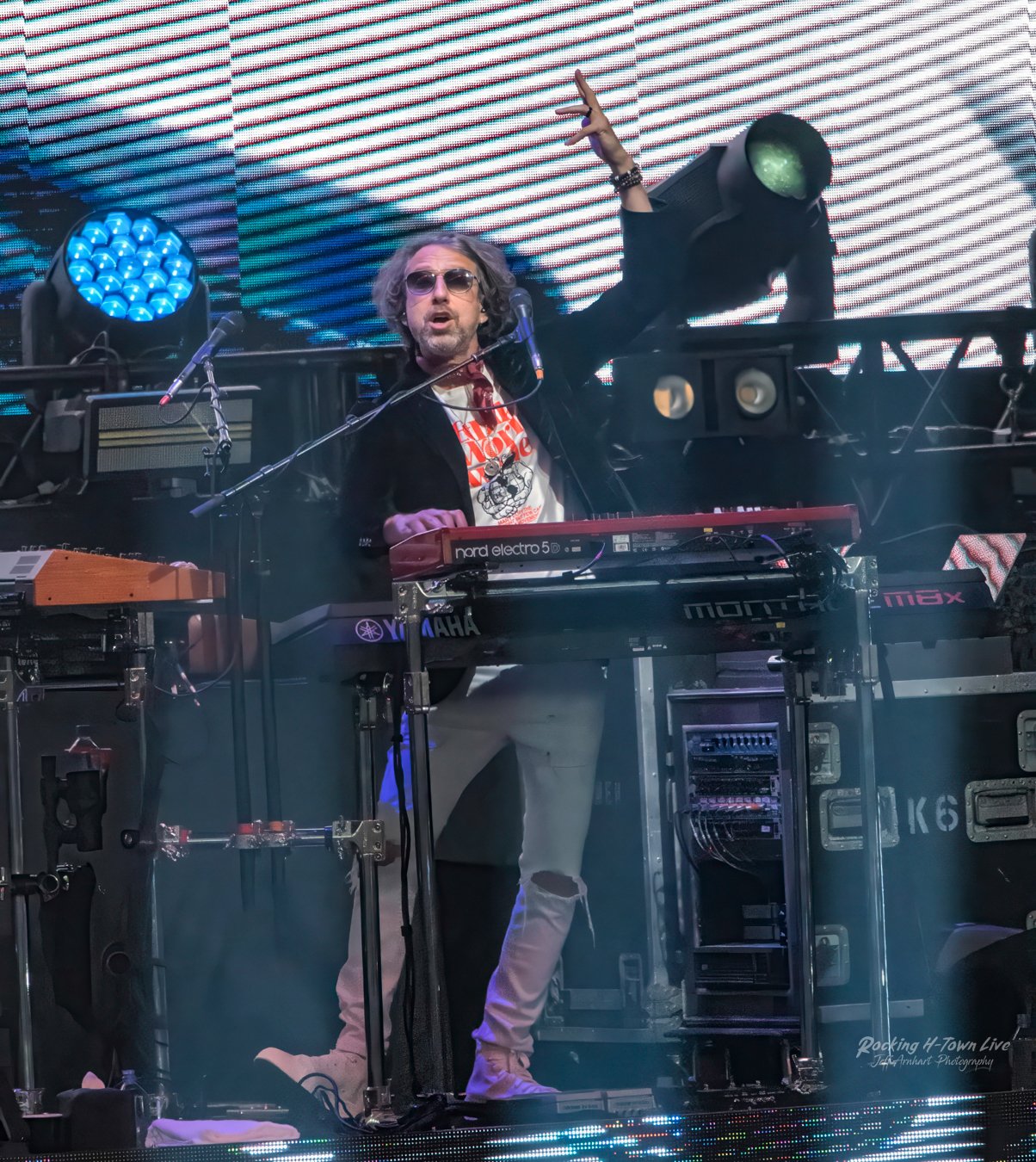
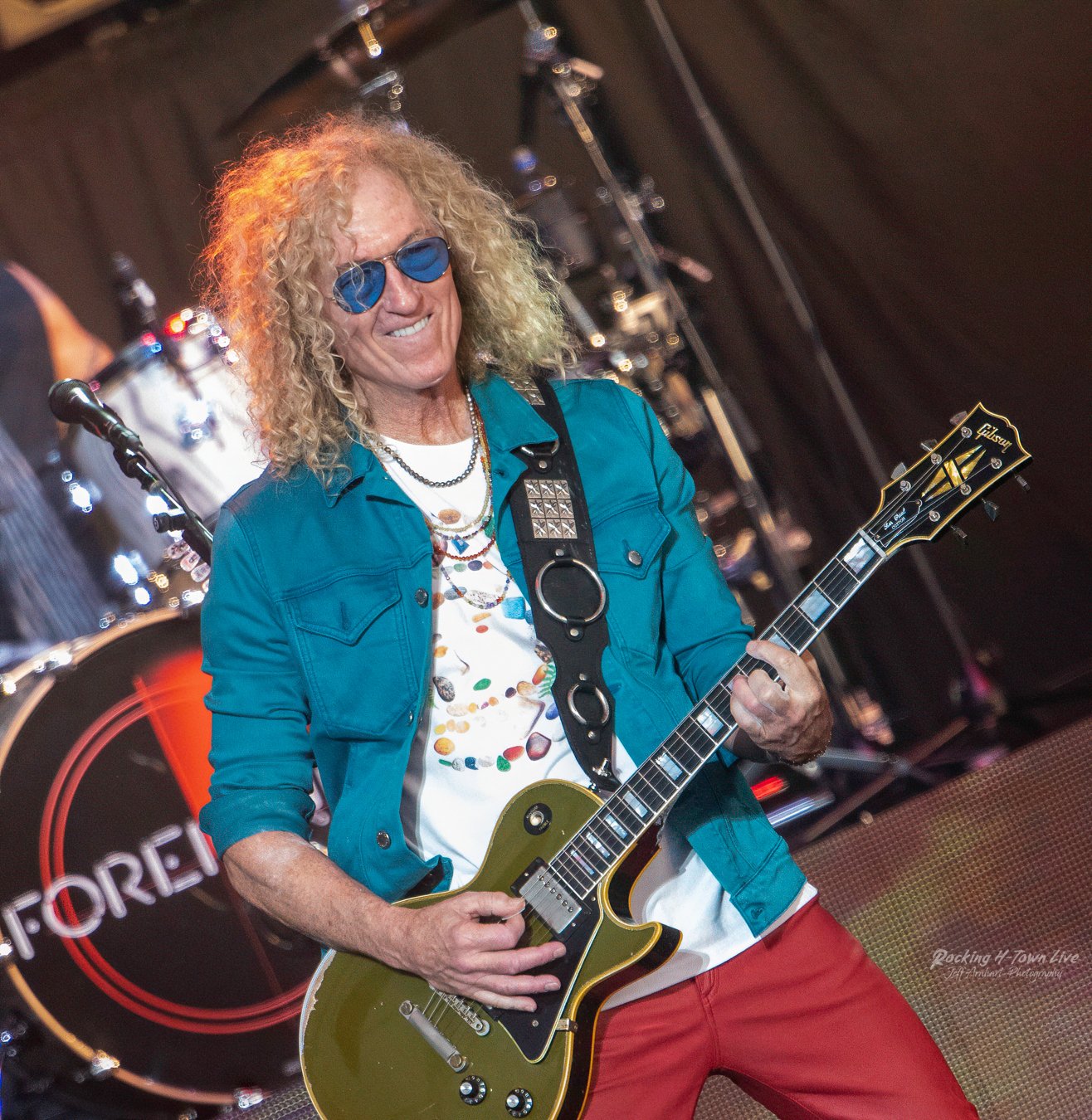
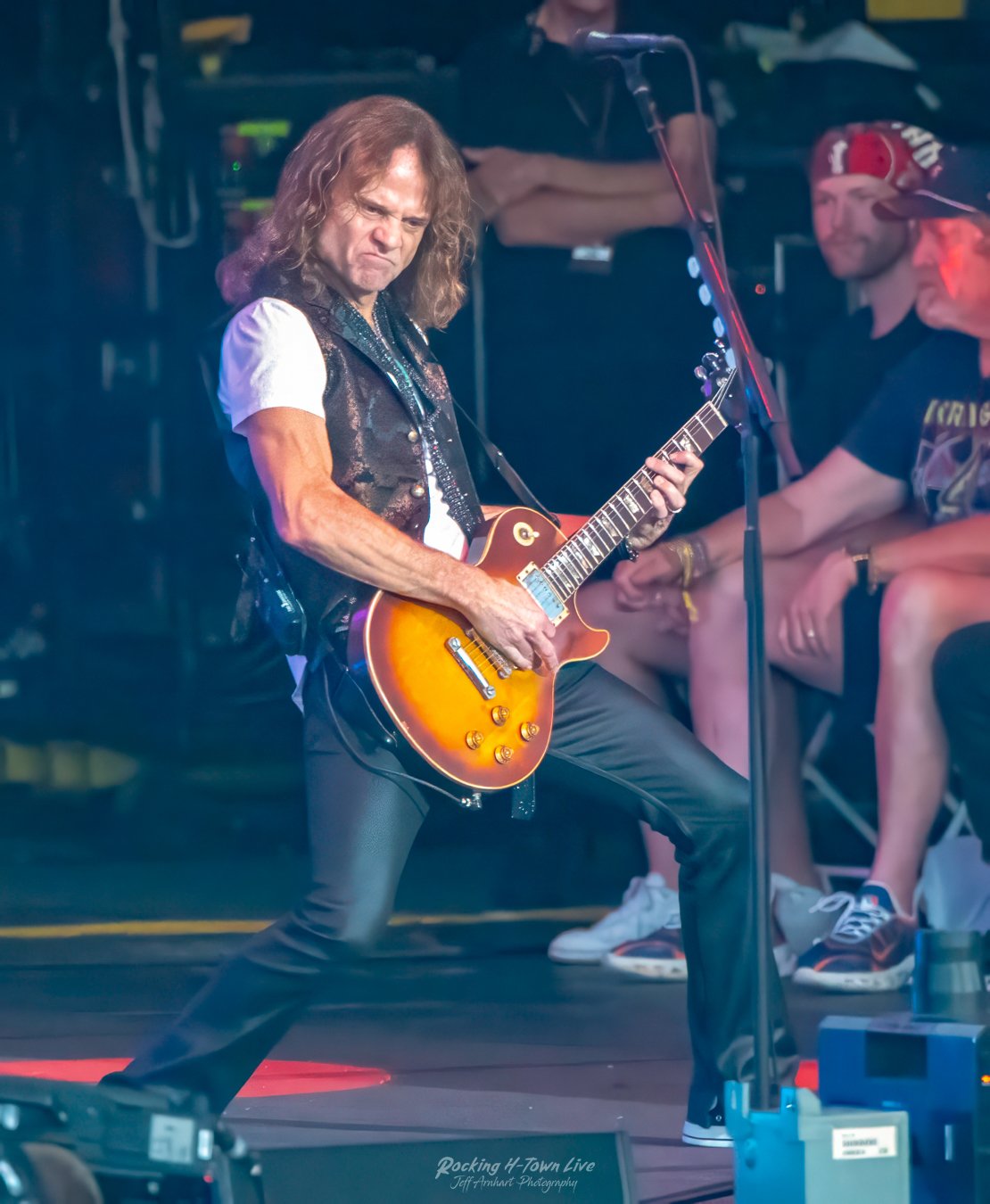
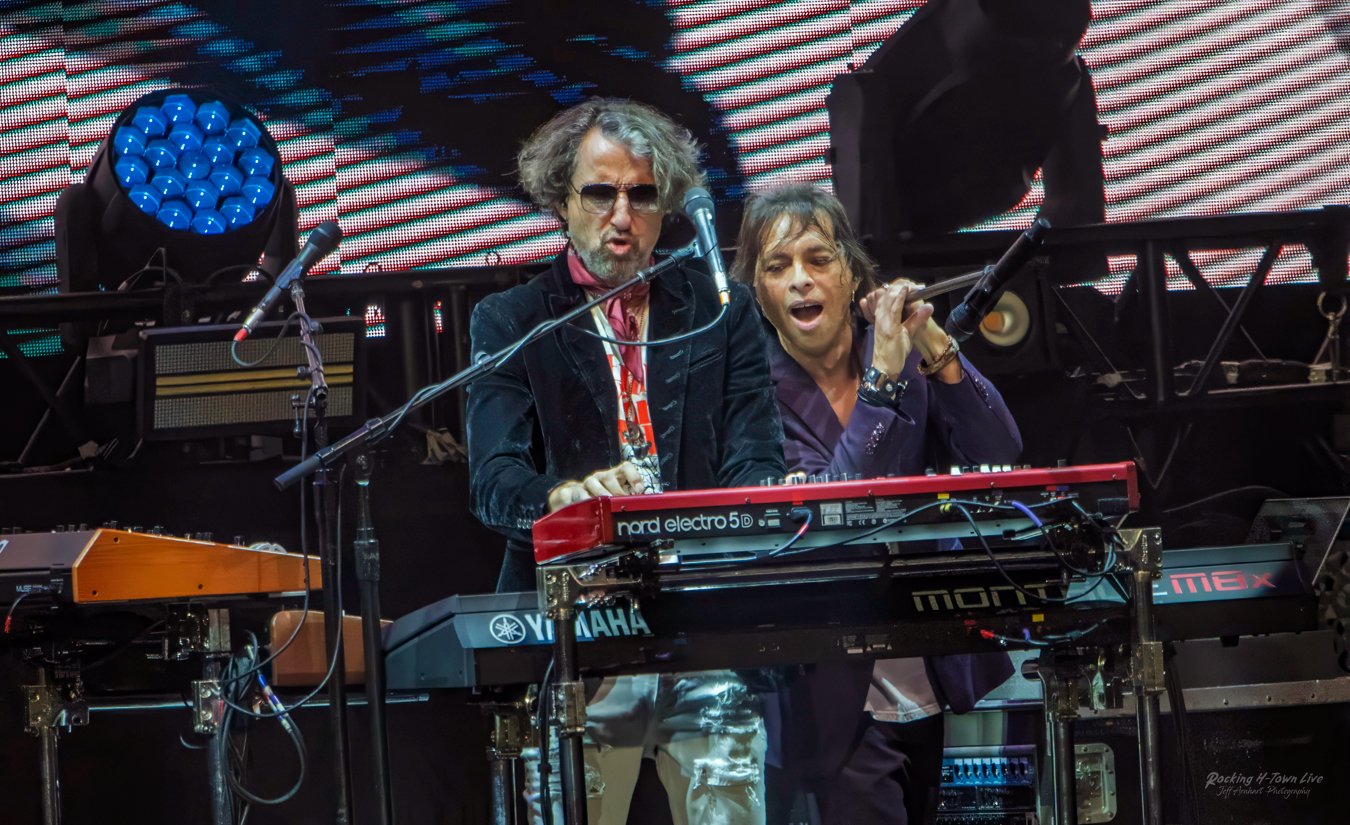
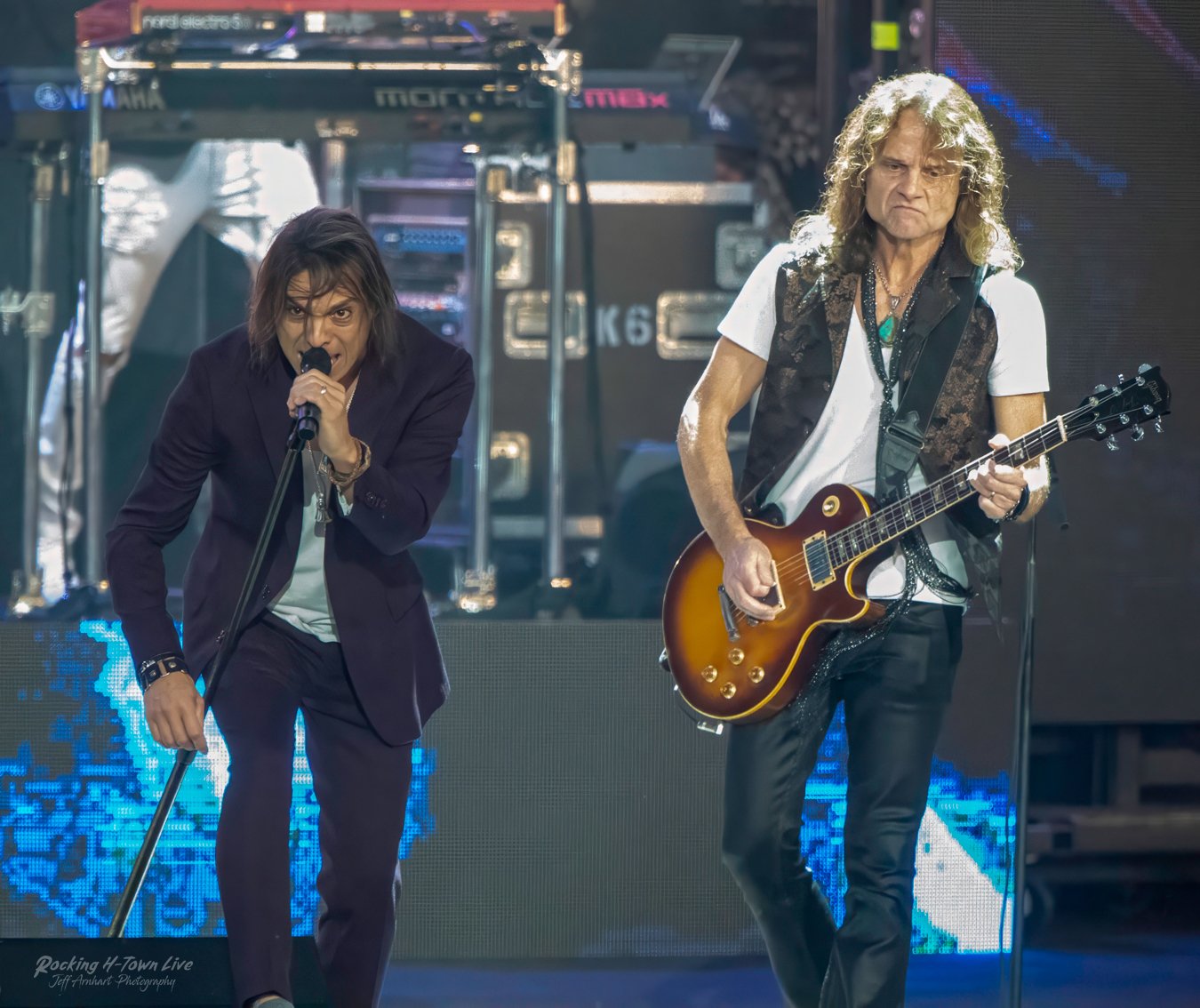
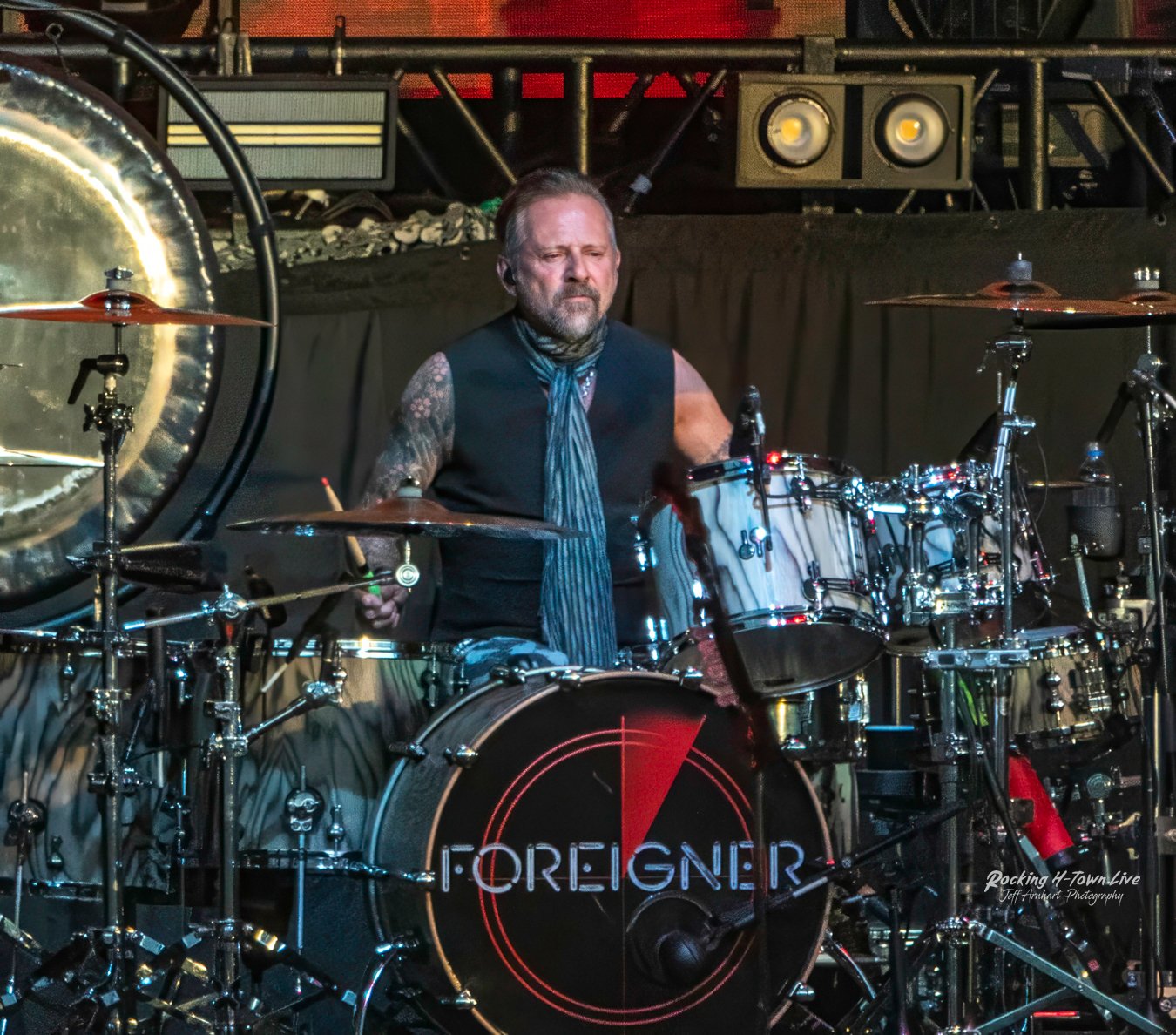
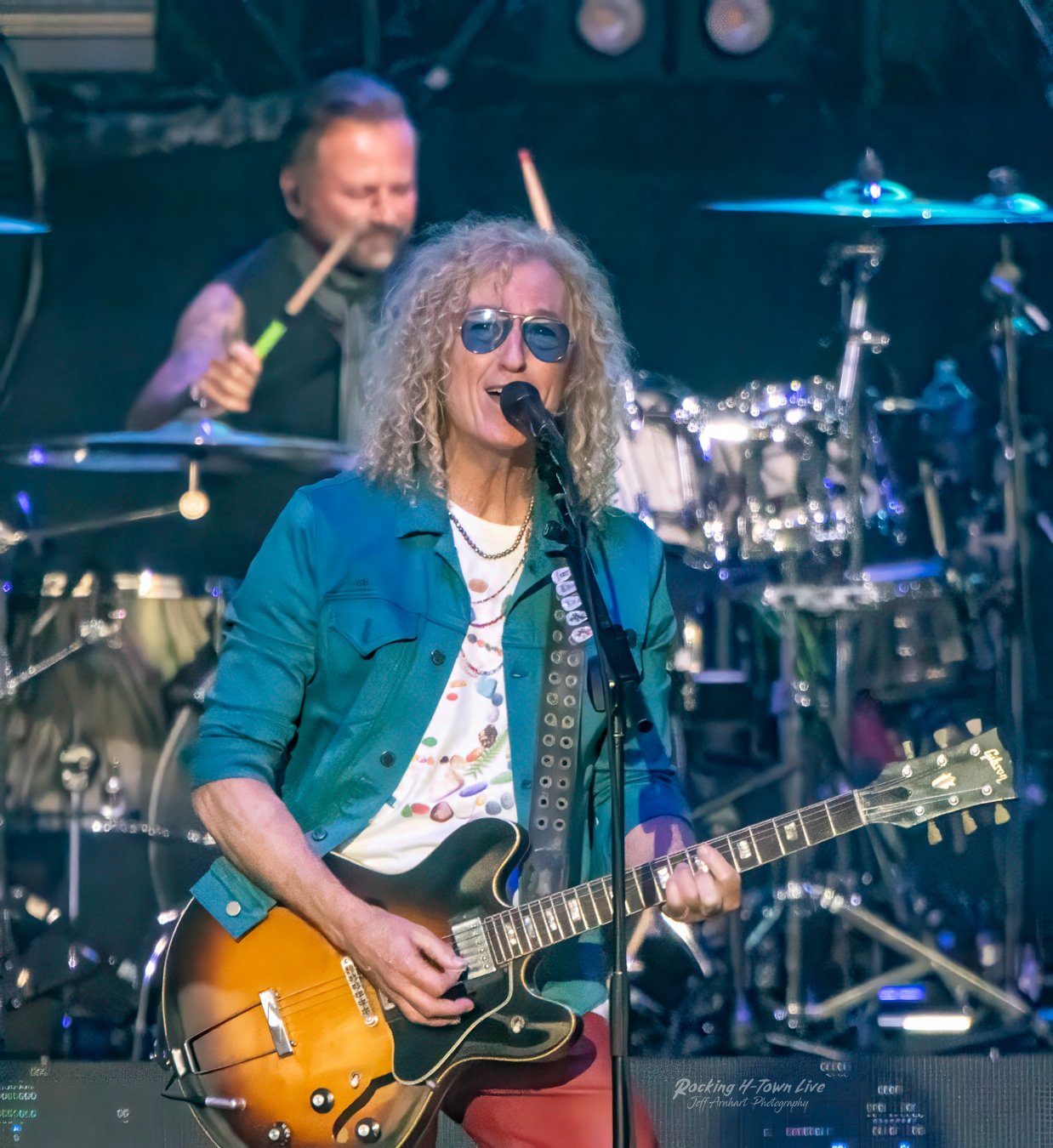
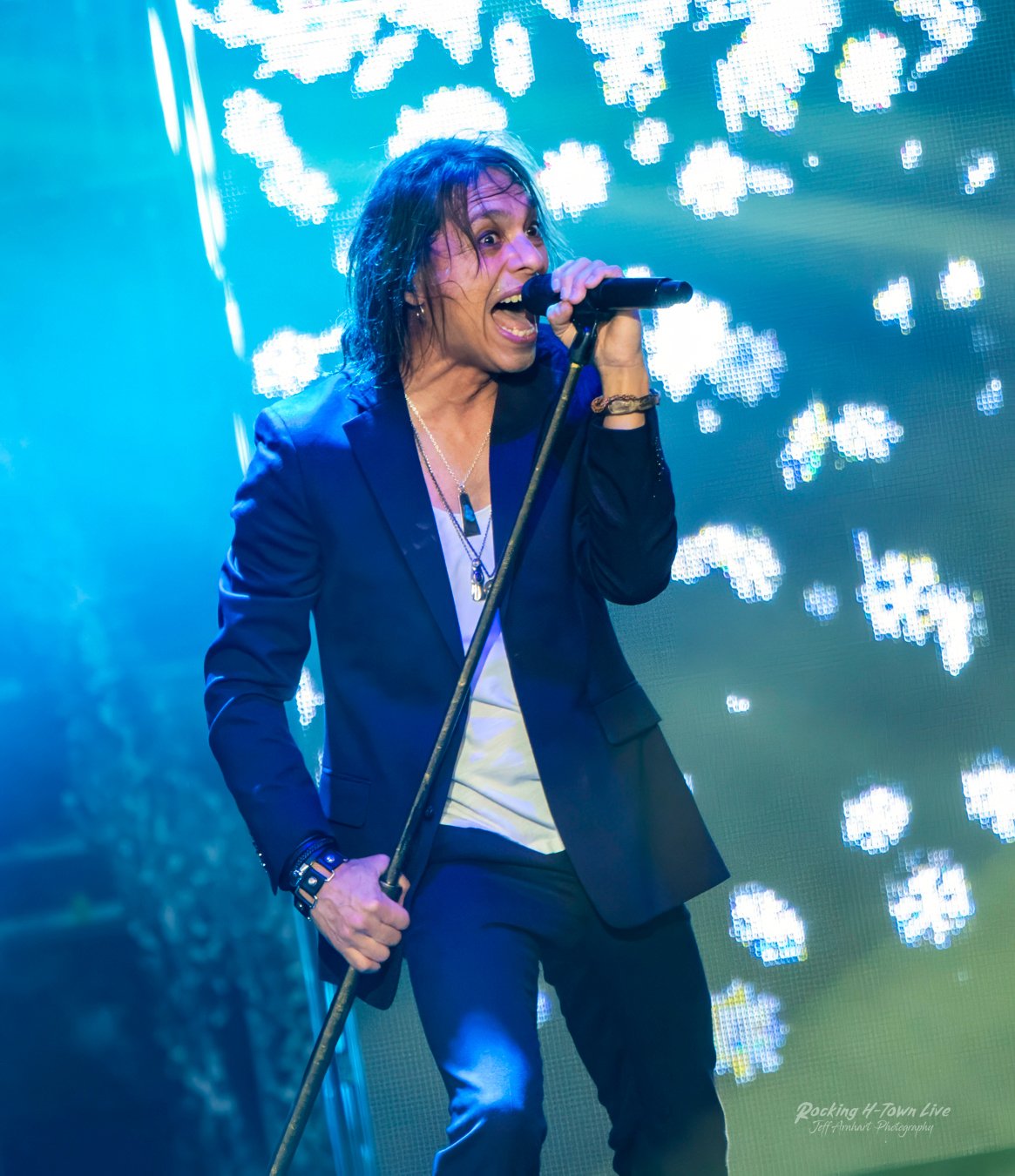
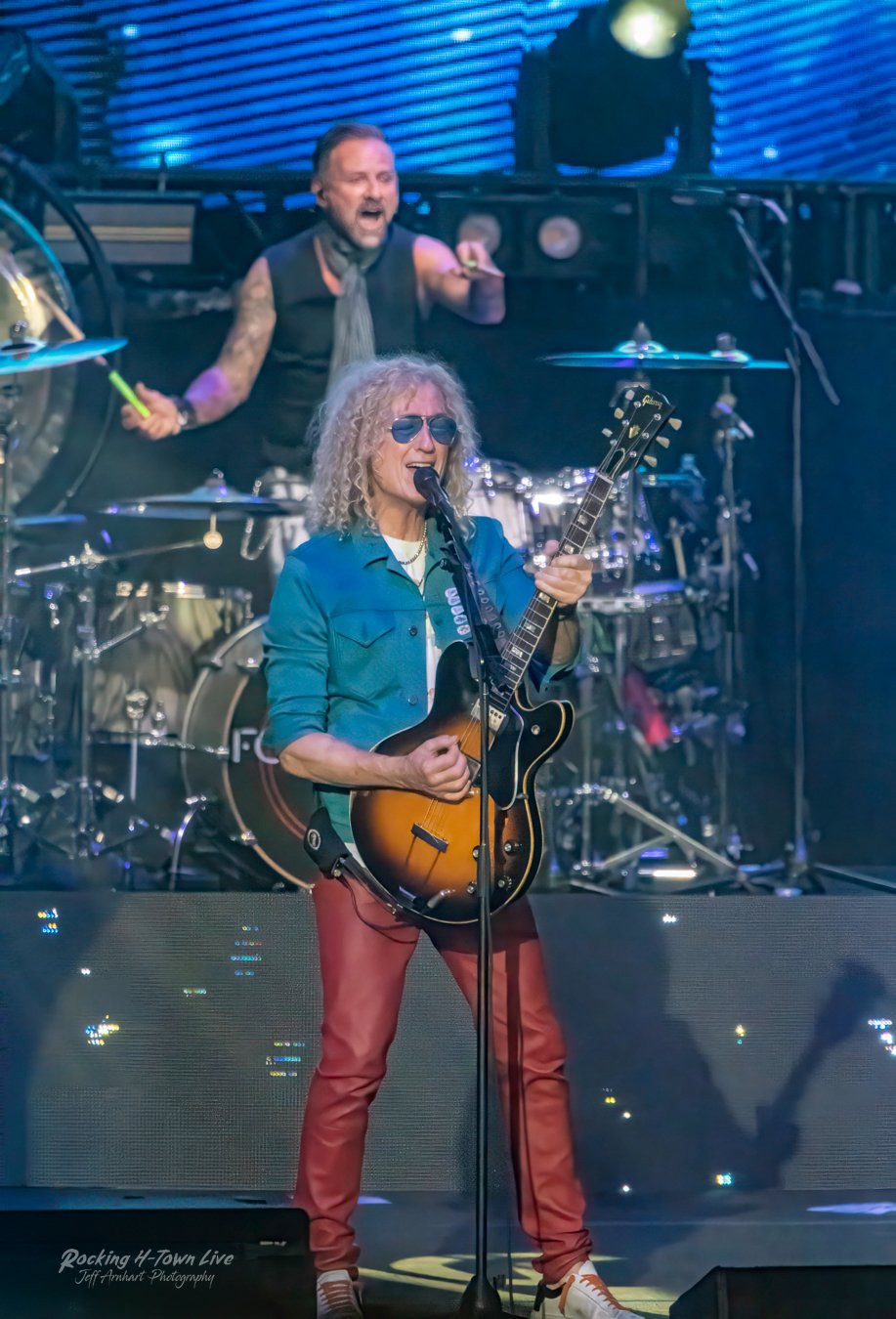
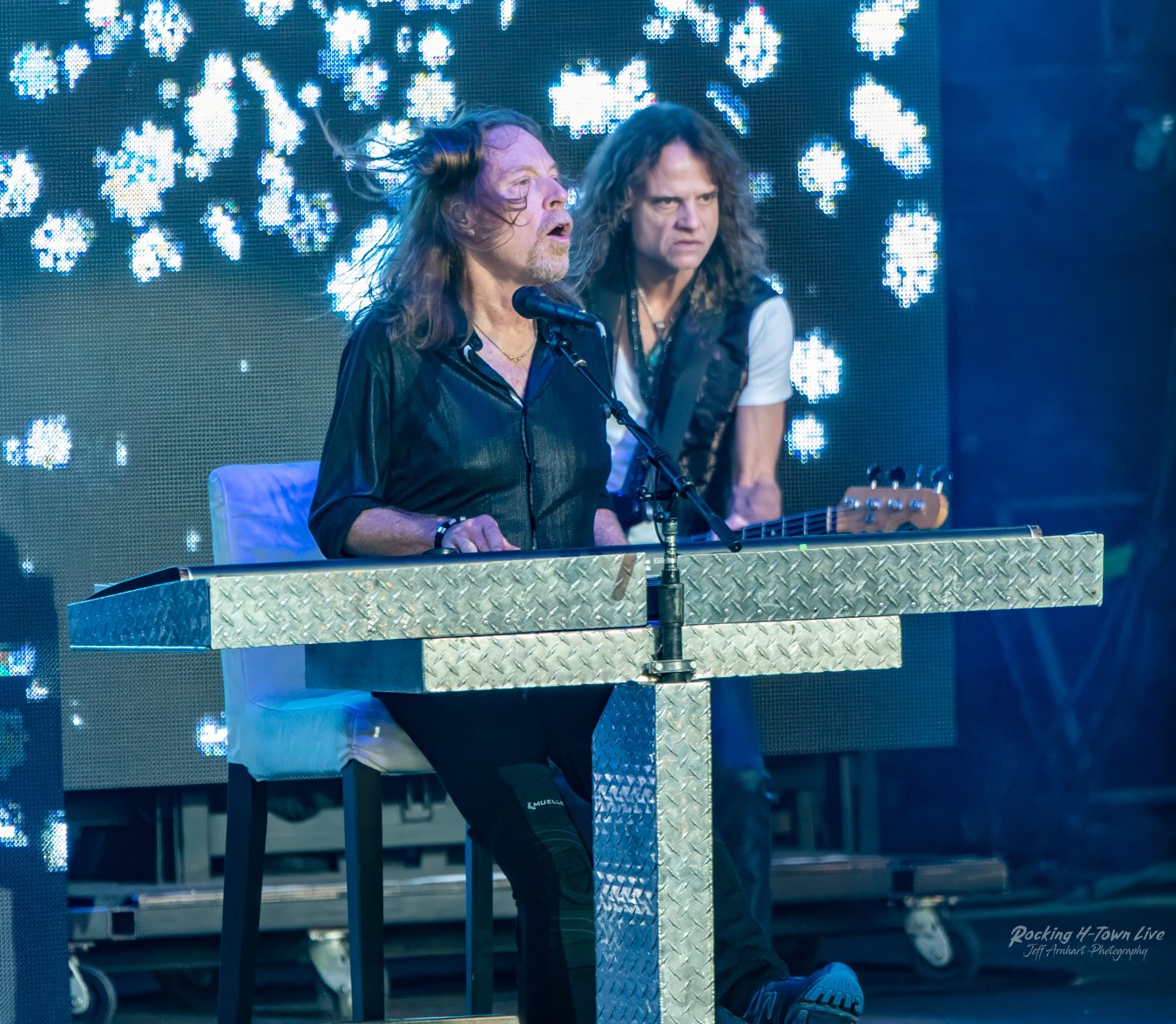
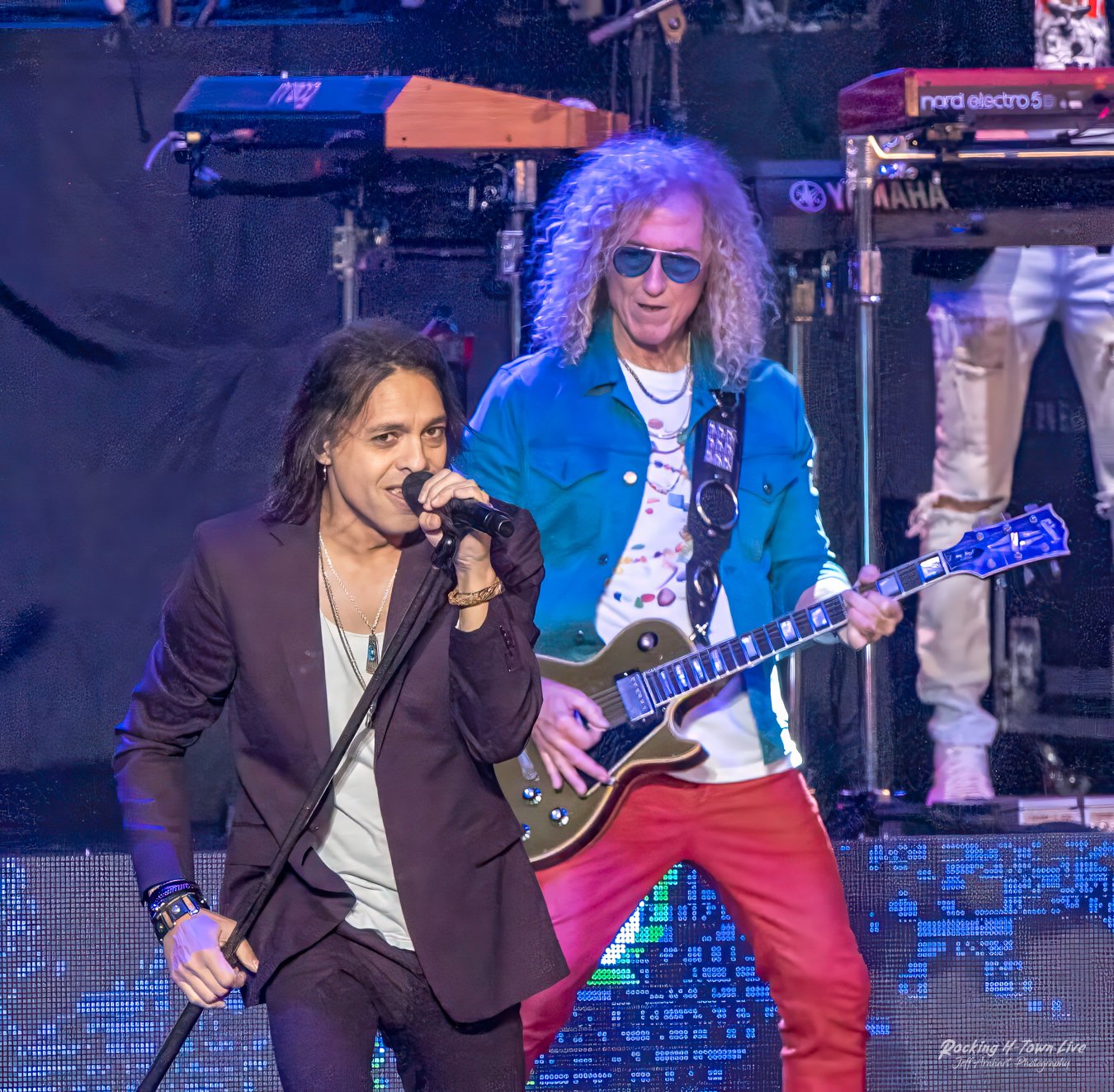
For this tour, Luis Maldonado handled lead vocals,
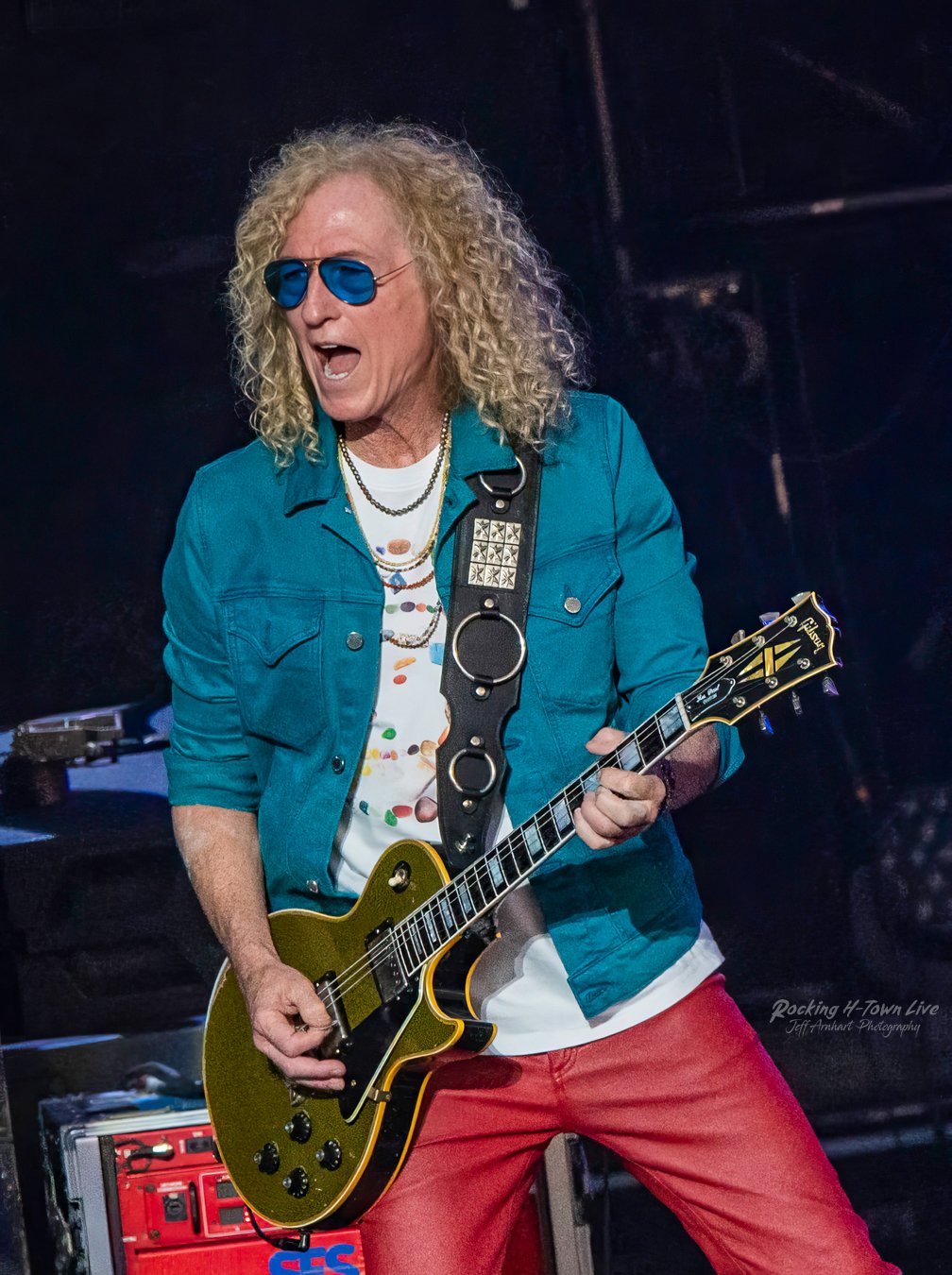
joined by Jeff Pilson on bass and backing vocals, Bruce Watson and John
Roth on guitars, Michael Bluestein on keyboards and backing vocals and
Chris Frazier on drums. Together, they have become the musicians
entrusted with carrying Foreigner's enormous catalog into its next
chapter. Before the night was over, there would be another
connection to Foreigner's past. For now, the band opened with “Double Vision,”
immediately locking the Pavilion into the band's familiar combination
of muscular guitar riffs, pounding drums and massive vocal melodies.
Rather than beginning with one of the band's most obvious radio
singles, the choice established a harder-edged tone from the outset. “Head Games” followed, keeping the momentum high before the opening salvo reached one of Foreigner's most recognizable songs.
“Cold as Ice.”
The opening keyboard hook remains one of those
instantly identifiable sounds in classic rock and hearing it roll
across the Pavilion produced an immediate reaction from the crowd. The
song's combination of precision and drama remains remarkably effective
nearly five decades after its release. The mood shifted toward
something more atmospheric with “Waiting for a Girl Like You.”
Maldonado brought a contemporary energy to the song while respecting
the character of the original recording, allowing the ballad to become
one of the evening's first major sing-along moments. “Say You Will” continued the melodic side of the set before the band shifted gears again.
“Foreigner never needed to choose between melody and muscle - and this set proved exactly why.”
The guitars came roaring back with “Dirty White Boy,” but not before Maldonado issued a simple command to the audience: stand up. The Pavilion responded. With the crowd on its feet, “Dirty White Boy”
became one of the night's more physical moments, the song's driving
rhythm giving the audience little choice but to move along with it. It
was a reminder that Foreigner's
catalog isn't built exclusively around power ballads and radio-friendly
hooks. At its best, the band has always had teeth. From there, Foreigner returned to where it all began with “Feels Like the First Time.”
The band's debut single remains an especially fitting song for a group
celebrating a career that has now stretched across nearly five decades.
Maldonado's performance kept the song firmly rooted in its original
identity while giving it the energy of a live band that has no
intention of treating these songs like museum pieces.
Then came “Urgent.”
The song's unmistakable bass-and-guitar groove filled the Pavilion
before the band brought the song to a conclusion and opened the stage
for a keyboard and drum solo. It gave Bluestein and Frazier their
individual opportunities to step out from the ensemble and showcase
their musicianship, while also providing a brief change of pace before
the night's closing run.
That run began with “Juke Box Hero.”
The song has always been a natural concert anthem and the band
expanded it into an extended version, using the performance to
introduce the musicians onstage. One by one, the audience was given a
closer look at the players responsible for keeping Foreigner's music alive. But Foreigner wasn't finished.
The Encore Brings Foreigner's Past and Present Together
When the band returned for the encore, the evening
took an unexpected turn into something even more historic. Before “Long, Long Way From Home” began,
Al Greenwood was introduced once again - this time not simply as the
man who had introduced the band at the beginning of the evening but as
a musician. Greenwood took his position behind a keyboard on the lower
stage. Suddenly, a founding member of Foreigner was back where he belonged: onstage, playing the music he helped create nearly 50 years ago.
“For one night in The
Woodlands, Foreigner's history wasn't just being remembered - it was
standing behind a keyboard and playing along.”
“Long, Long Way From Home” was a particularly appropriate selection for Greenwood's return. Released on Foreigner's
debut album in 1977, the song represented the very beginning of the
band's recording legacy. Hearing Greenwood perform it with the current
lineup created a direct bridge between Foreigner's original era and its present-day incarnation.
The emotional centerpiece of the encore followed.
Before “I Want to Know What Love Is,” the lights dimmed once again. The
atmosphere inside the Pavilion changed as members of the School of Rock
Clear Lake moved into position on the upper stage, taking their places
as the choir that would accompany the band. As the opening notes began
the aspiring musicians joined Foreigner
for one of the band's most enduring songs. The sight of a new
generation standing onstage with seasoned musicians carrying a catalog nearly
five decades old was particularly fitting. “I Want to Know What Love Is” has long transcended its original recording, becoming a song that belongs as much to the audience as it does to Foreigner. Then just when the night appeared ready to close on its emotional high point, Maldonado had one more surprise. For “Hot Blooded,”
he began the song with a guitar solo, building the tension before the
familiar opening of the song kicked in. The band tore into the song,
bringing the night to its final, appropriately explosive conclusion.
Foreigner's
performance demonstrated why these songs have endured for so long. The
band has undergone enormous changes since its formation and none of
the musicians currently carrying the group represents the complete
original lineup, yet the songs remain remarkably resilient. With
Greenwood's appearance, the evening also offered something more than
nostalgia, it offered continuity.
From “Double Vision” to “Cold as Ice,” from “Waiting for a Girl Like You” to “Juke Box Hero” and from Greenwood's return for “Long, Long Way From Home” to the School of Rock Clear Lake choir joining “I Want to Know What Love Is,” the performance connected Foreigner's past, present and future in one night. When Maldonado's guitar finally gave way to the opening charge of “Hot Blooded,” the message was unmistakable: Foreigner may have nearly five decades of history behind it but on this night, the band sounded like it was still just getting started.
Lynyrd Skynyrd: The Free Bird Still Flies
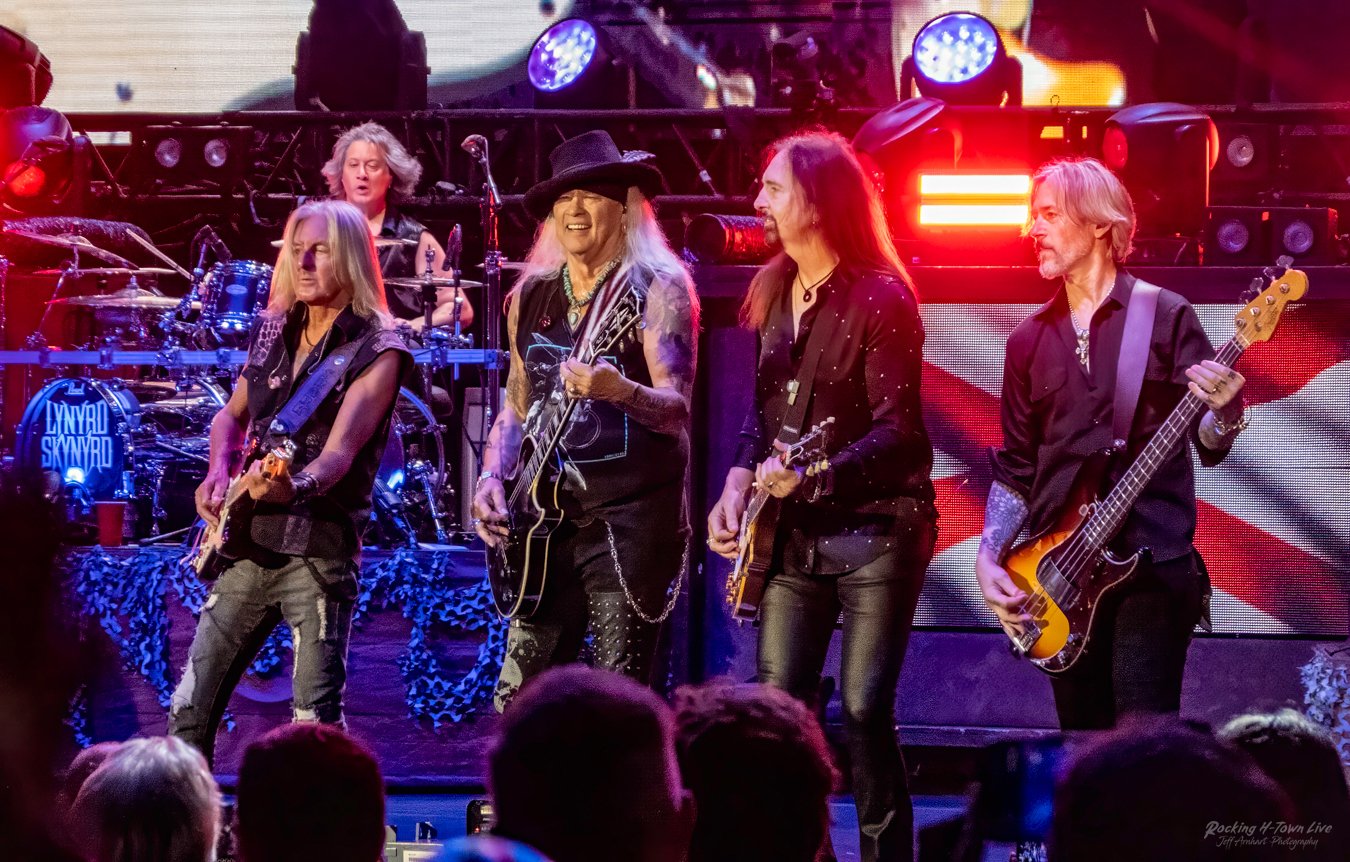
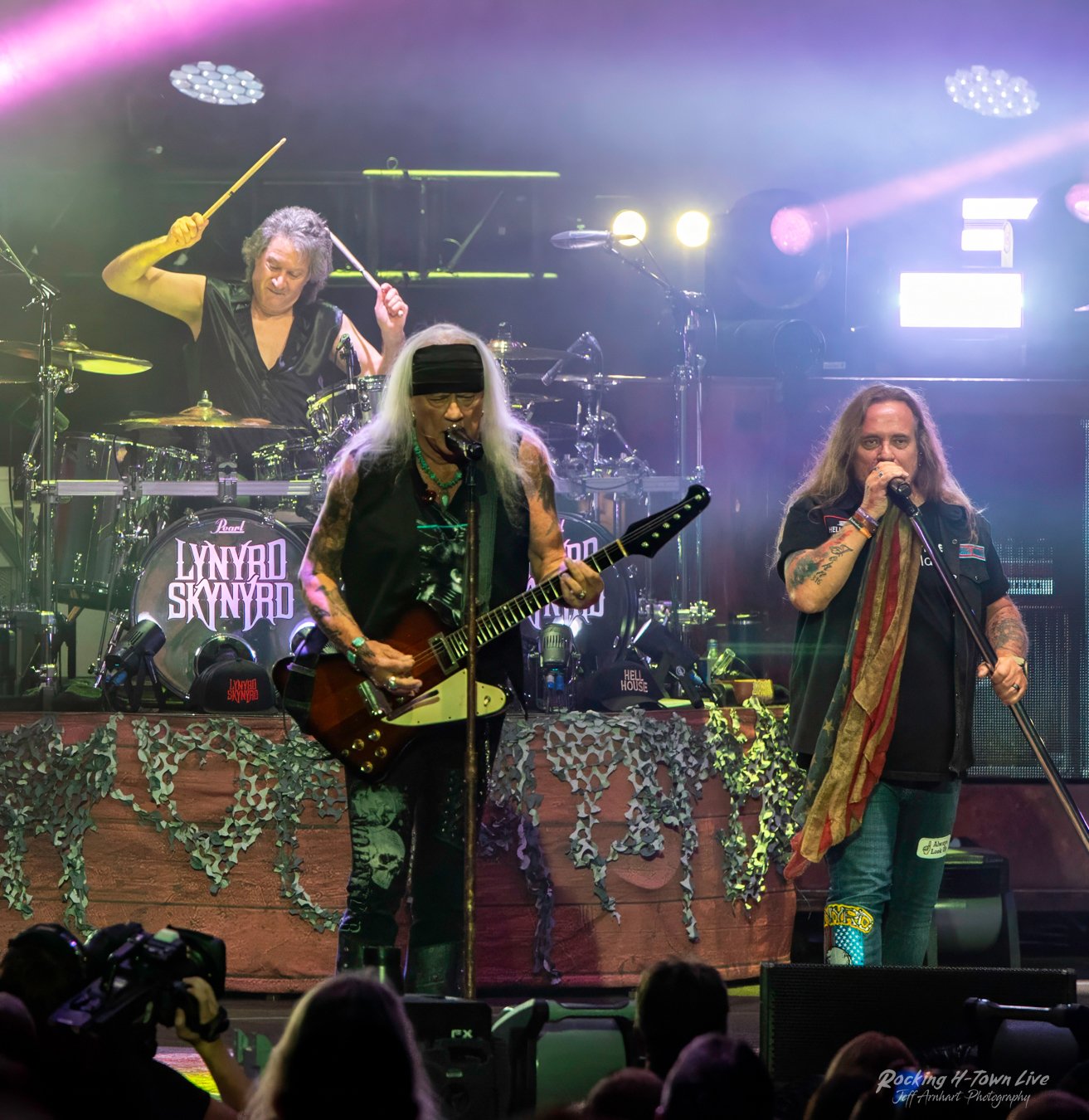
Then came the band the audience had been waiting for. More than half a century after its beginnings in Jacksonville, Florida, Lynyrd Skynyrd
remains one of the defining names in Southern rock. Ronnie Van Zant,
Gary Rossington and Bob Burns first began playing together in the
1960s, eventually adding Allen Collins and Larry Junstrom and cycling
through several names before settling on Lynyrd Skynyrd.
The band released Pronounced 'Lĕh-'nérd 'Skin-'nérd in 1973,
introducing the world to a sound that fused blues, country and hard
rock. The band's rise was meteoric but its history was also marked by
extraordinary tragedy. The October 1977 plane crash claimed Ronnie Van
Zant, guitarist Steve Gaines and backup singer Cassie Gaines and
effectively ended the band's first era. Lynyrd Skynyrd
eventually returned in 1987 with Ronnie's younger brother Johnny Van
Zant taking over lead vocals. Founding guitarist Gary Rossington, the
final surviving original member, died in 2023 leaving today's band to
carry the music forward without any original member remaining in the
touring lineup.
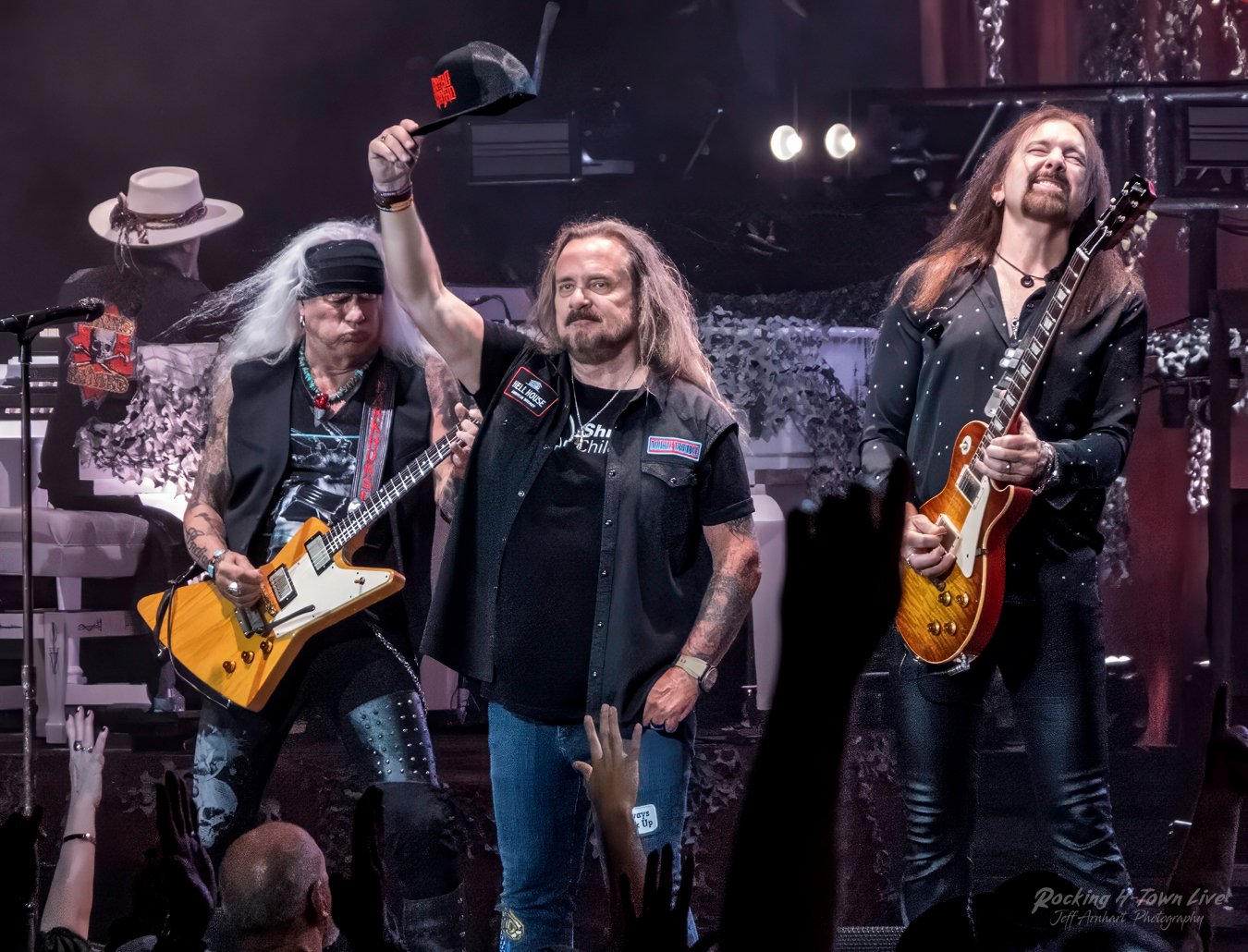
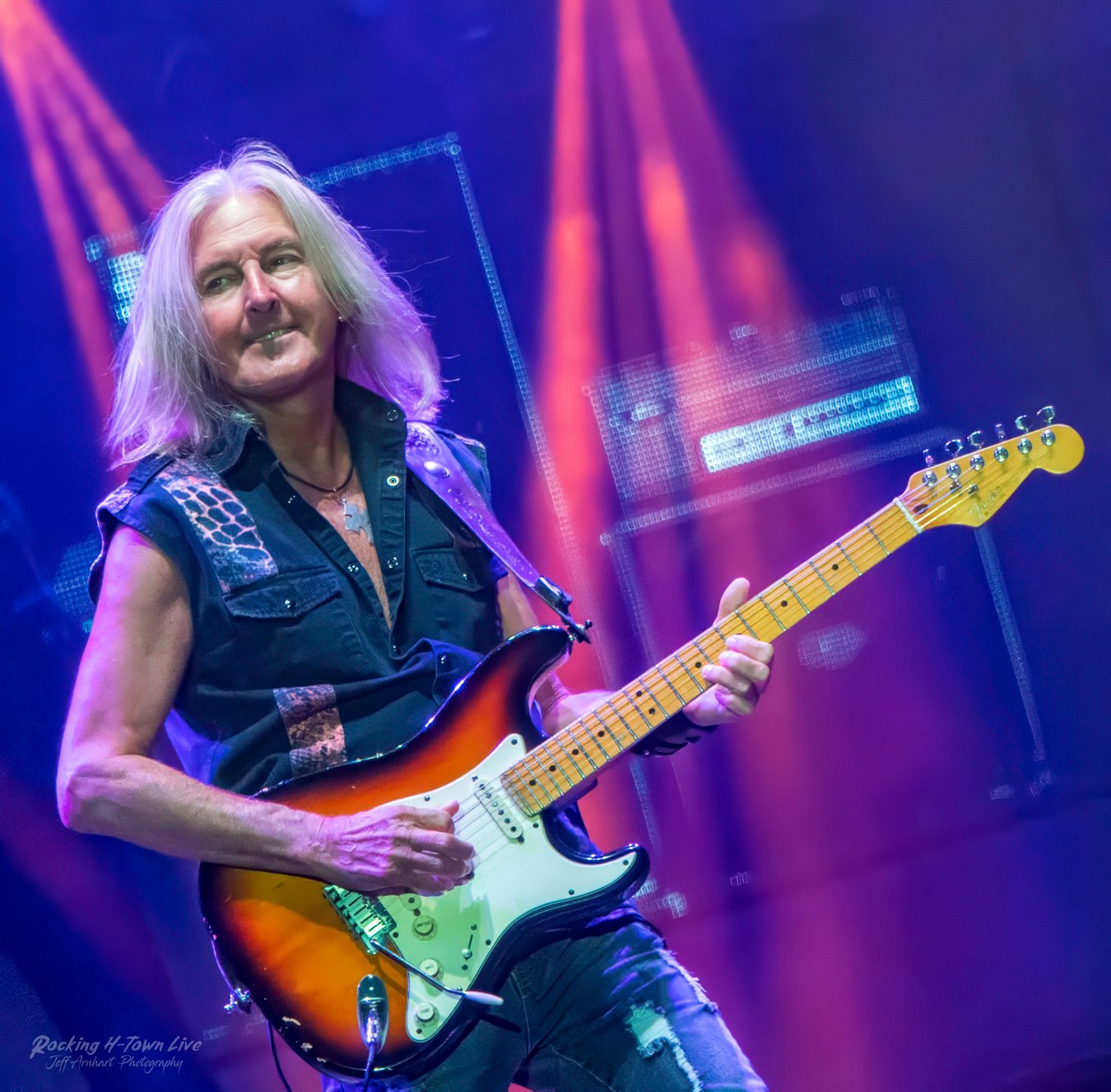
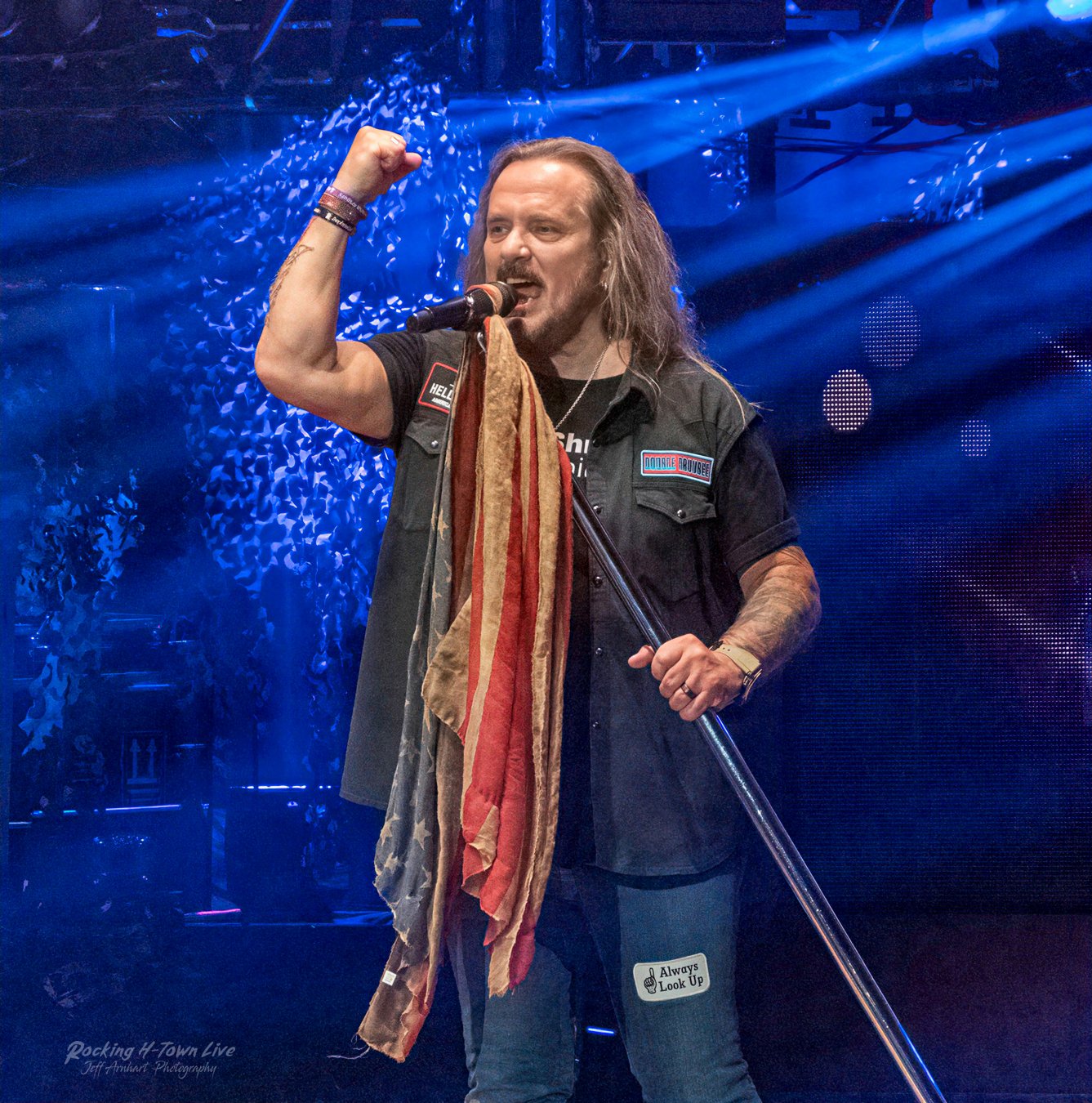
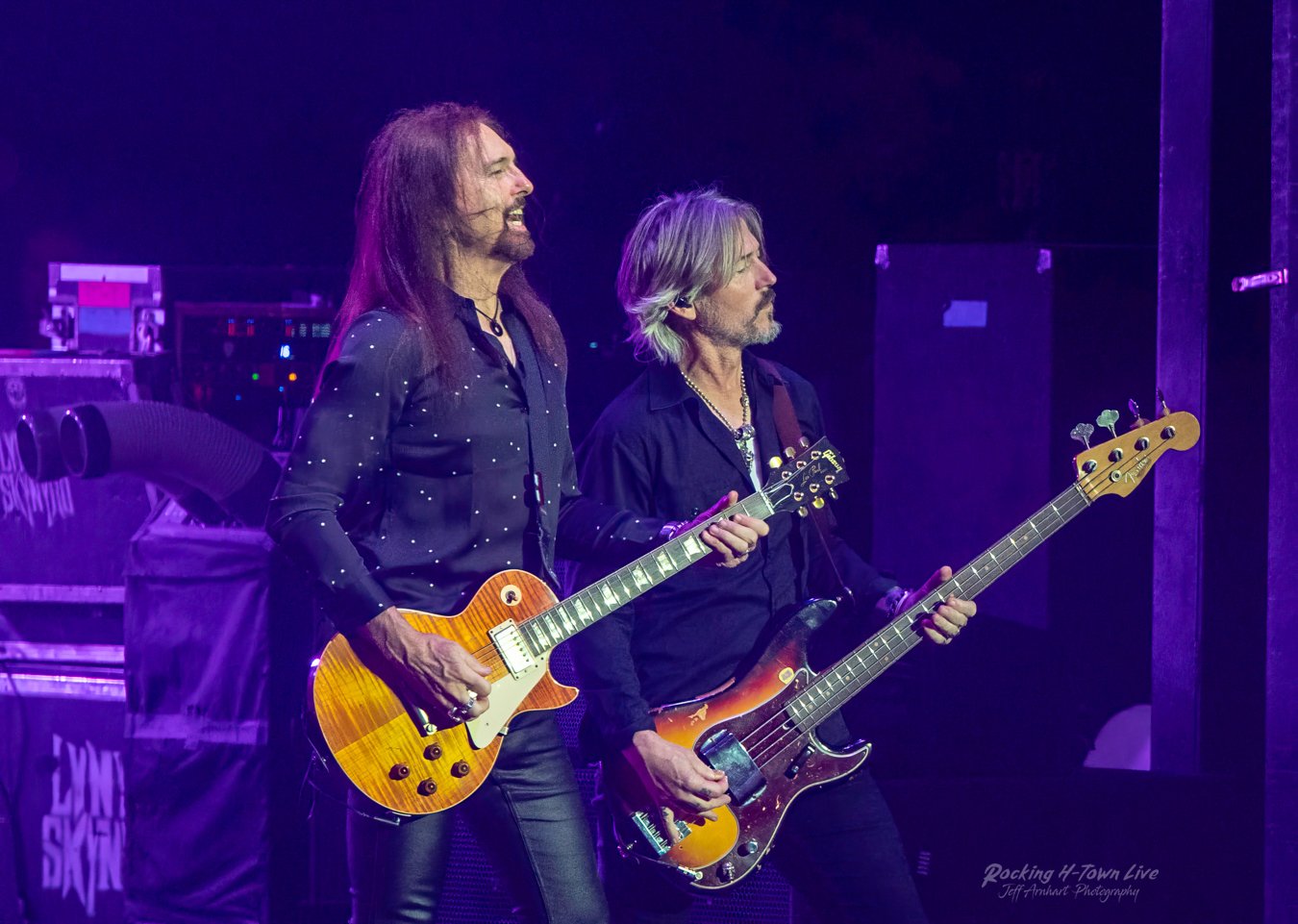
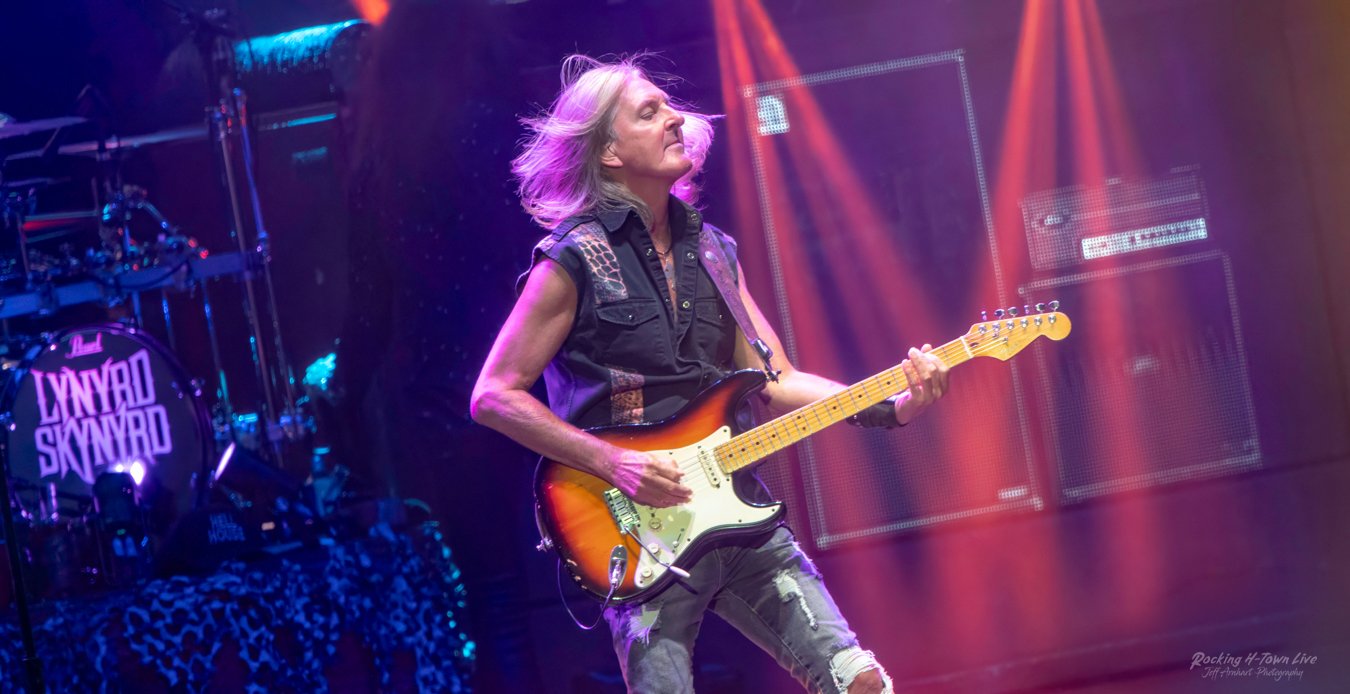
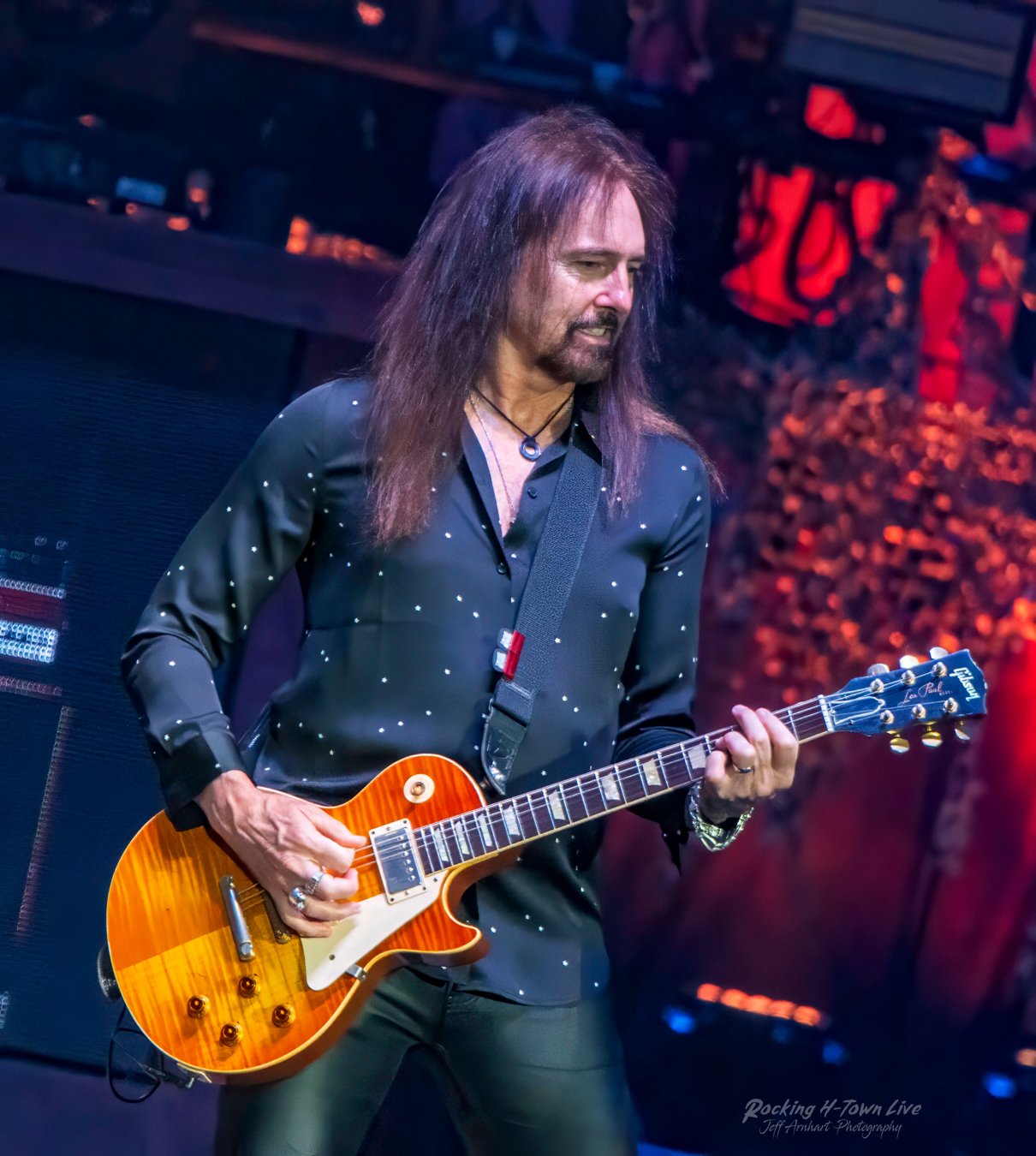
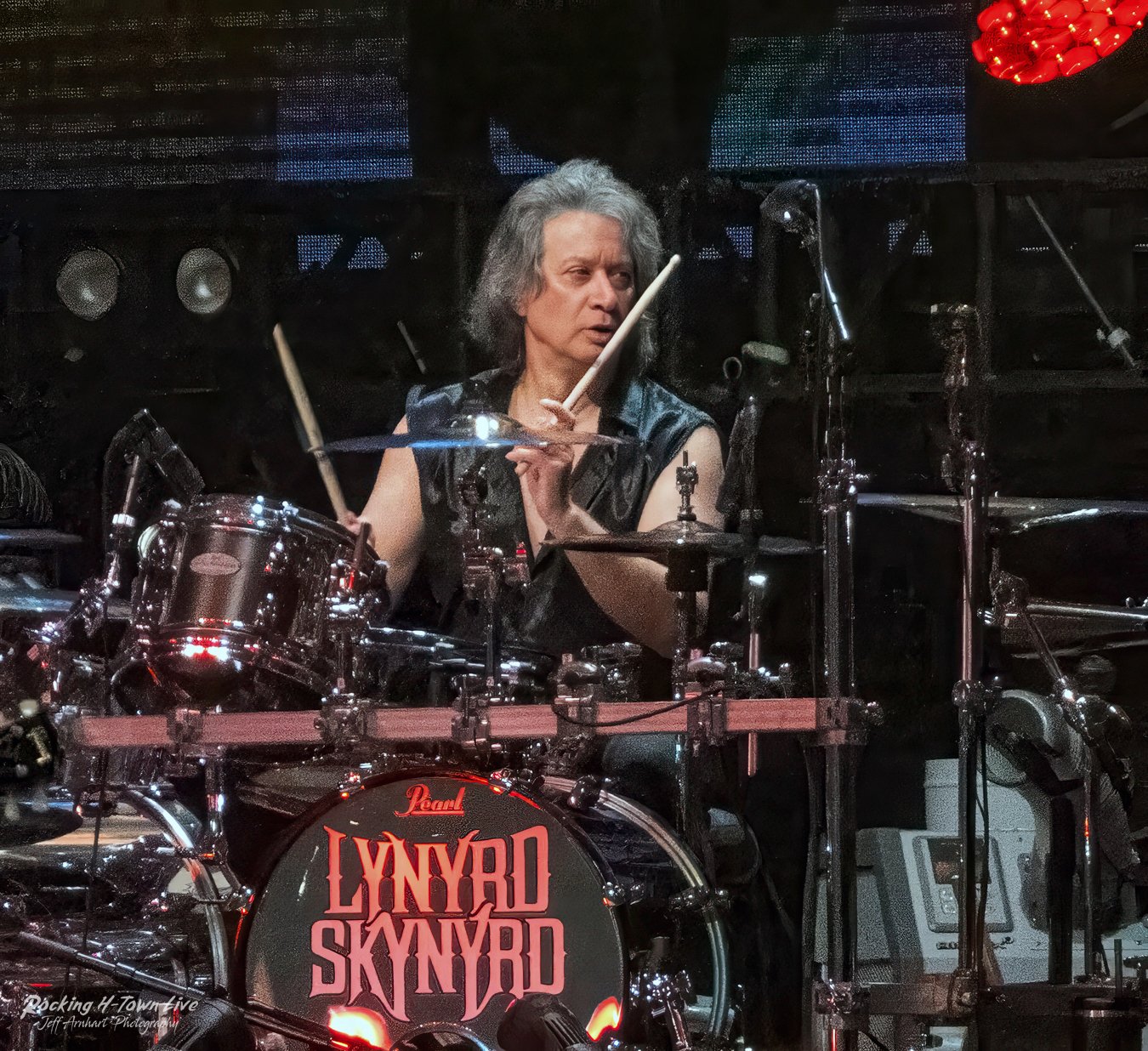
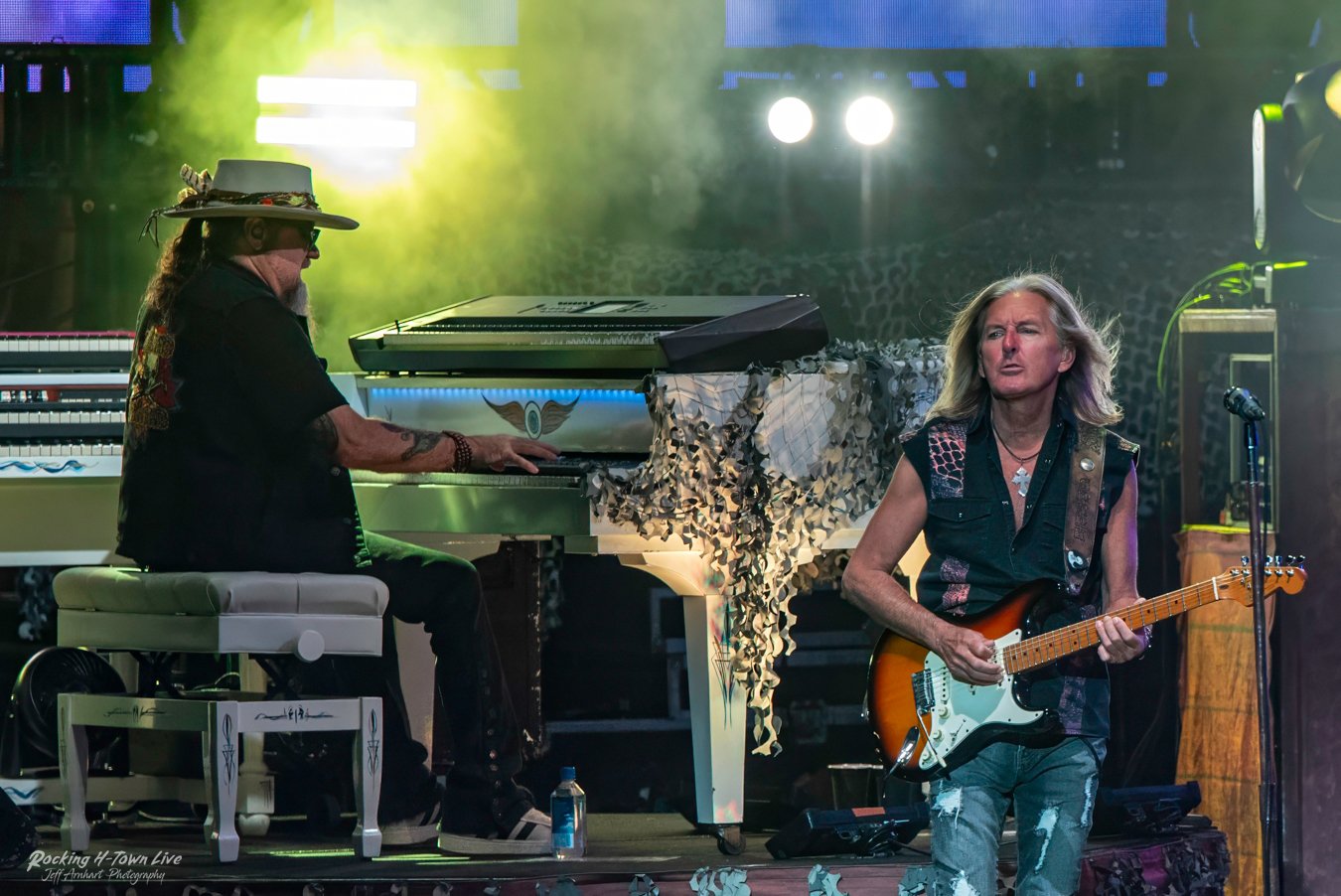
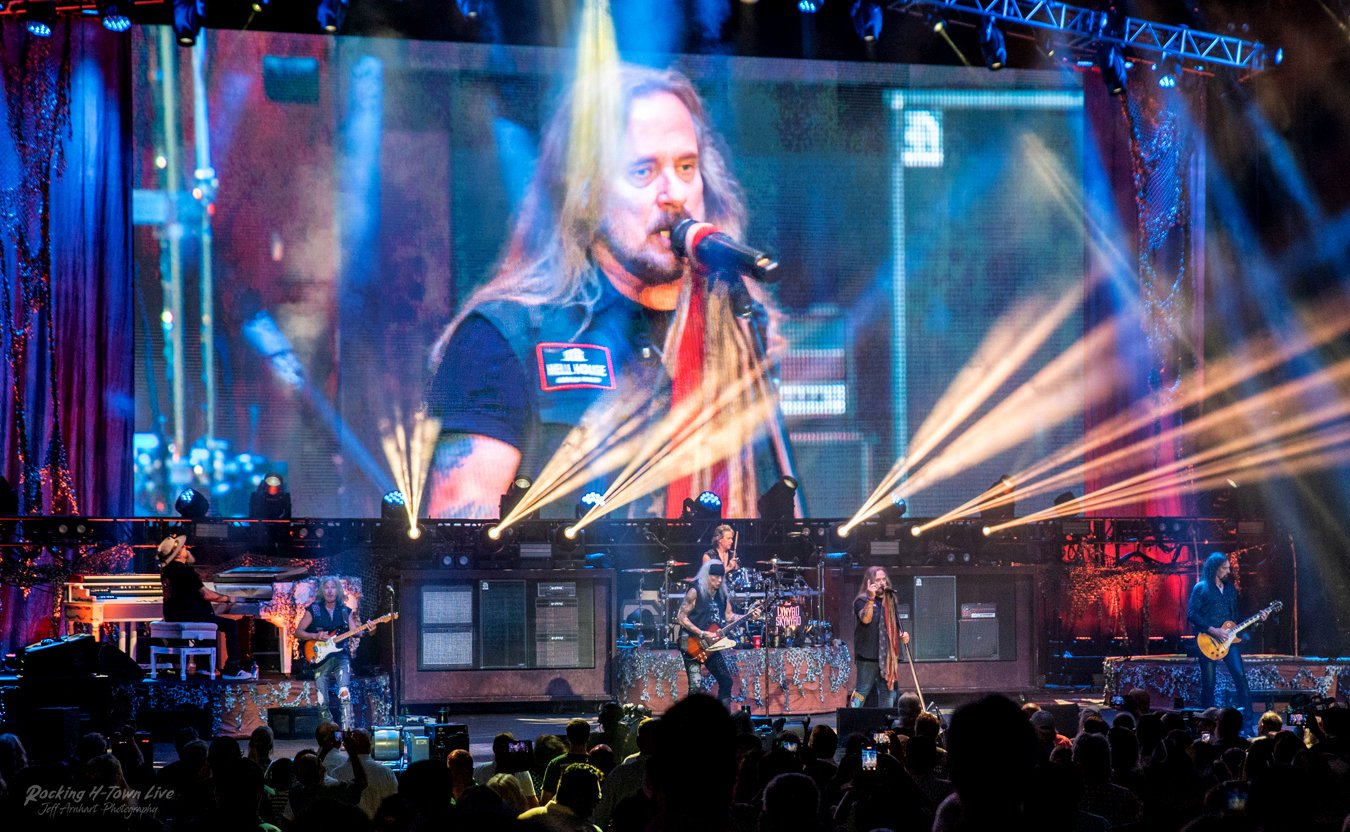
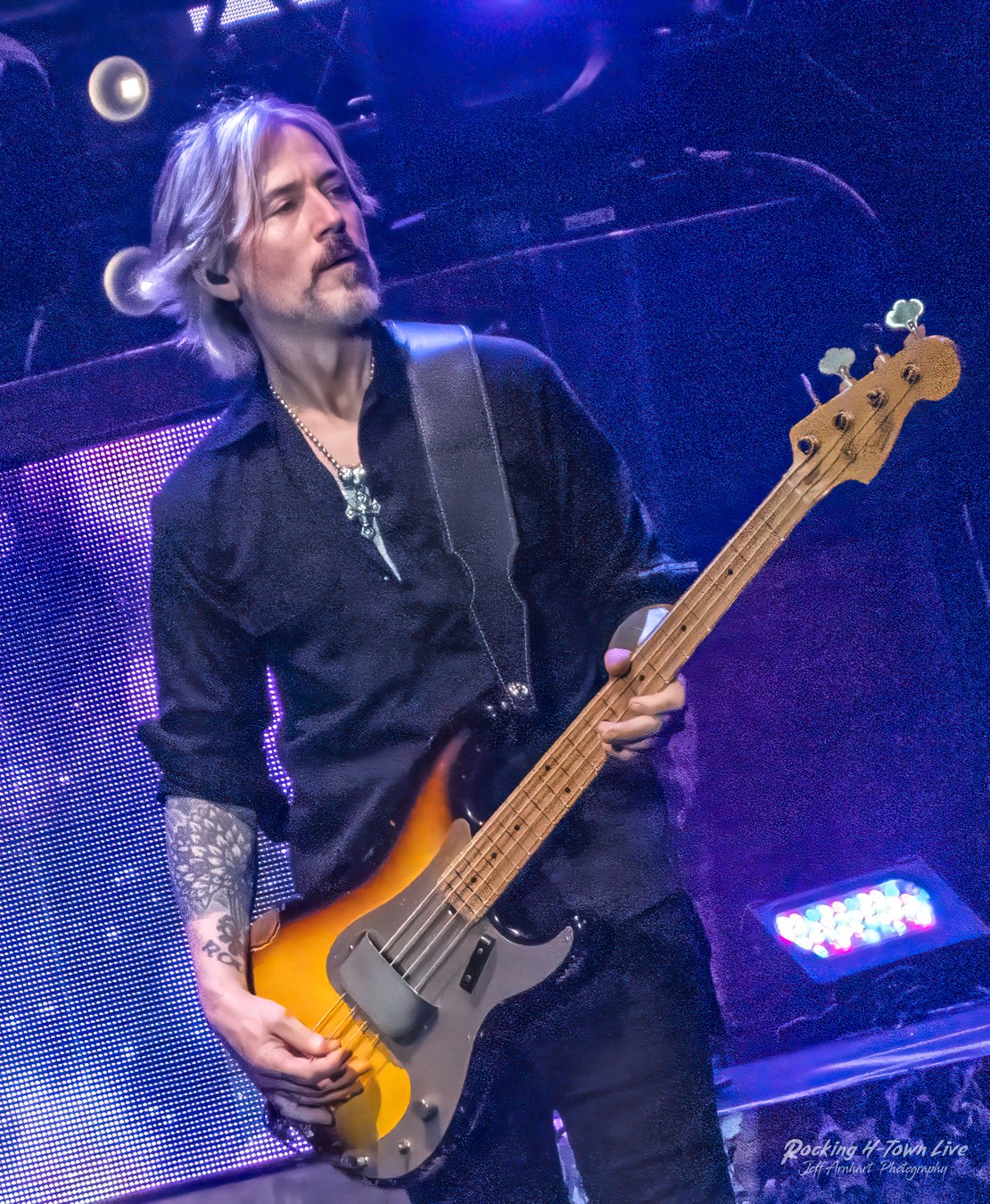
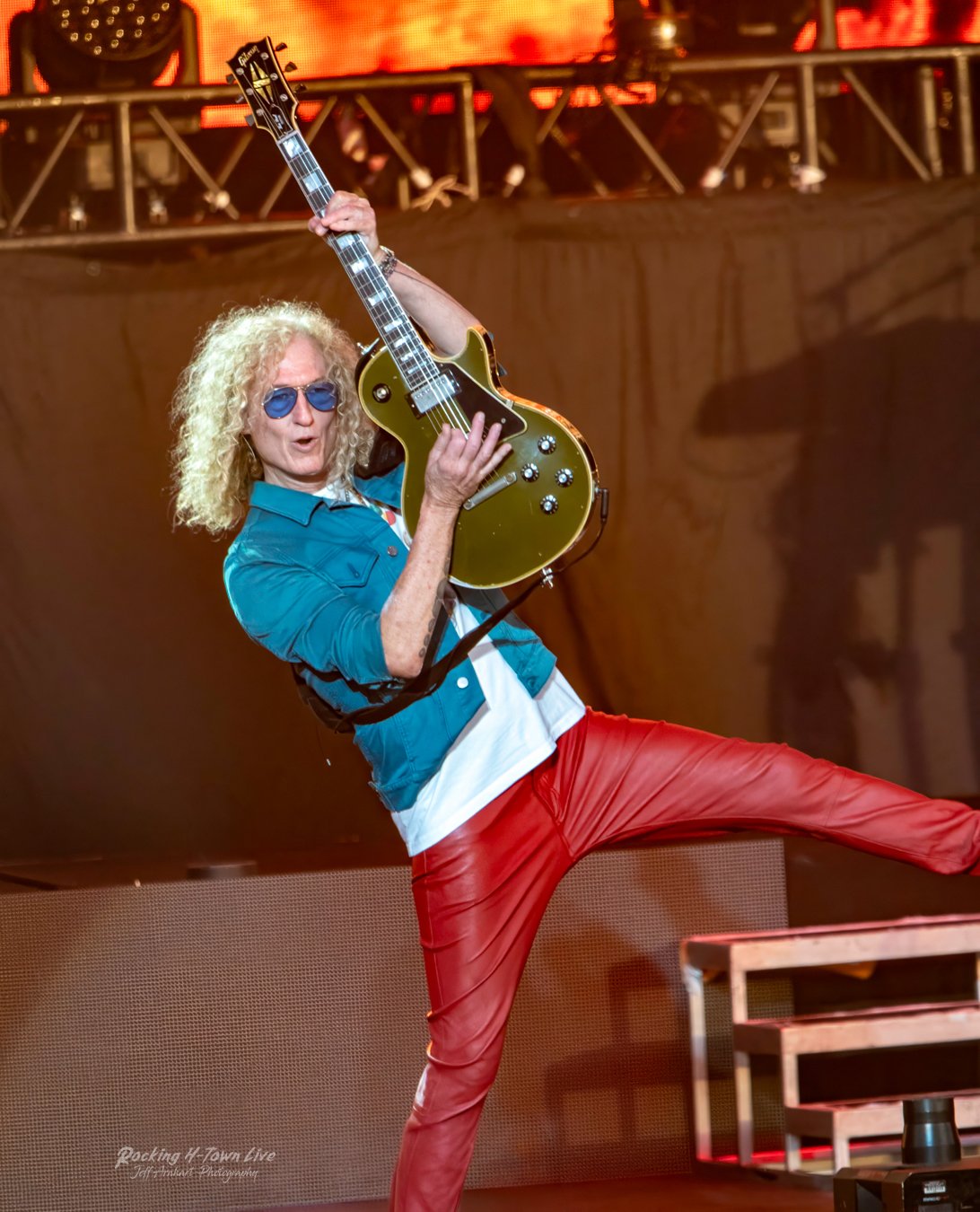
The 2026 lineup features Johnny Van Zant on vocals,
Rickey Medlocke on guitar and vocals, Damon Johnson on guitar, Mark
“Sparky” Matejka on guitar and backing vocals, Michael Cartellone on
drums, Robbie Harrington on bass, Peter Keys on keyboards and Carol
Chase and Stacy Michelle on vocals. Current tour information lists
that nine-piece configuration, while the band's own 2026 materials
similarly emphasize the expanded ensemble carrying the legacy forward.
Medlocke brings particularly deep history to the group, having first
been associated with Lynyrd Skynyrd
in the early 1970s before returning in 1996. Cartellone has been behind
the kit since 1999, while Houston native Matejka joined the band in 2006.
The Skynyrd
story has always been larger than the people currently standing
onstage. Ronnie Van Zant, Gary Rossington, Allen Collins, Steve Gaines,
Ed King, Billy Powell, Bob Burns and Leon Wilkeson are all part of the
band's permanent historical DNA. Those members were among the musicians
honored when Lynyrd Skynyrd entered the Rock & Roll Hall of Fame in 2006 but on this night, the emphasis was firmly on the songs.
The set began with Van Halen's “Panama” playing from tape before Skynyrd took control of the stage with “Workin' for MCA.” “What's Your Name” followed, setting up a run of classics that moved effortlessly between swagger, blues and Southern-rock storytelling. “That Smell” brought some of the band's darker edges into focus before "On The Hunt" and “I Know a Little” kept the guitars front and center. The set then dug deeper into the catalog with “Don't Ask Me No Questions,” “I Need You” and “Gimme Back My Bullets.”
Then came one of the evening's most anticipated moments: “The Ballad of Curtis Loew.”
Originally appearing on Second Helping, the song remains one of Ronnie
Van Zant's most affecting portraits of the musicians and characters who
populated his world. That same album also contained “Sweet Home Alabama,”
the song that would become one of the most recognizable Southern-rock
anthems ever recorded. The band's official history credits Second
Helping with cementing Skynyrd's legacy and specifically highlights both “Sweet Home Alabama” and “The Ballad of Curtis Loew.” “Tuesday's Gone” slowed the evening down before “Simple Man” brought thousands of voices together.
“For all the mythology surrounding Lynyrd Skynyrd, the heart of the band has always been the songs.”
From there, the show accelerated again with “Gimme Three Steps” and “Call Me the Breeze,” the J.J. Cale composition that Skynyrd transformed into its own Southern-rock workout. And then came “Sweet Home Alabama.”
Few songs are as immediately identifiable from their opening seconds.
Few create the same reaction in a pavilion full of people. The song's
1974 success helped turn Lynyrd Skynyrd from a rising Southern band into a national phenomenon, reaching No. 8 on the charts. But everyone knew the night wasn't over.
Free Bird
The encore was reserved for the song that has become inseparable from the Lynyrd Skynyrd name. “Free Bird.”
What began as a song from the band's 1973 debut became something much
larger over the decades: a rock anthem, a concert tradition and perhaps
the ultimate expression of the band's ability to turn a song into an
experience. The extended instrumental passage has long provided the
perfect showcase for Skynyrd's multi-guitar identity, the same approach that helped make the original band so distinctive.
On this night, as the final notes rang across the Pavilion, the significance went beyond simply checking the biggest song off the setlist. Lynyrd Skynyrd
has survived tragedy, lineup changes, changing musical tastes and the
loss of virtually every member of its original classic-era lineup. What
remains is the music - and the willingness of the musicians carrying
the name to keep putting those songs in front of audiences.
A Night Built on Rock's Endurance
Taken together, the three sets created a remarkably cohesive evening. Six Gun Sally represented the continuing evolution of Southern rock. Foreigner delivered the precision and bombast of arena rock at its most commercially powerful. Lynyrd Skynyrd
closed the night with the roots, rebellion and mythology that helped
establish Southern rock as one of America's defining rock traditions.
The most remarkable thing about the evening wasn't that these songs
were familiar, it was that they still mattered. “Workin' for MCA,” “Cold as Ice,” “Sweet Home Alabama,” “Juke Box Hero,” “Simple Man” and “Free Bird” are not museum pieces. They were living songs being played to a new
generation of listeners alongside the fans who have carried them for
decades. As the last echoes of “Free Bird”
disappeared into the warm August night over The Woodlands, one thing
was clear: classic rock doesn't survive simply because people remember
it.
It survives because people still show up - and still sing along.
Lynyrd Skynyrd Setlist:
Panama (Van Halen song) From Tape
Workin' for MCA
What's Your Name
That Smell
On the Hunt
I Know a Little
Don't Ask Me No Questions
I Need You
Gimme Back My Bullets
The Ballad of Curtis Loew
Tuesday's Gone
Simple Man
Gimme Three Steps
Call Me the Breeze (J.J. Cale cover)
Sweet Home Alabama
Encore:
Free Bird
Foreigner Setlist:
Double Vision
Head Games
Cold as Ice
Waiting for a Girl Like You
Say You Will
Dirty White Boy
Feels Like the First Time
Urgent (Keyboard and Drum Solo)
Juke Box Hero (Extended, with band introductions)
Encore:
Long Long Way From Home
I Want to Know What Love Is (with School of Rock Clear Lake)
Hot Blooded
Six Gun Sally Setlist:
Sittin’ Pretty
Stand up
Piece of My Heart (Erma Franklin cover)
Ain't Goin' Down
Gypsy Queen
Somebody to Love (The Great Society cover)
Redneck White & Badass Blue
Ramblin' Man (The Allman Brothers Band cover)
Fast Train
|
Lynyrd Skynyrd
Foreigner
Six Gun Sally
|