Santana and The Doobie Brothers
Bring the Oneness Tour to The Woodlands
Two
Rock & Roll Hall of Fame legends turned the Cynthia Woods Mitchell
Pavilion into a celebration of rhythm, harmony, and six decades of
unforgettable music
By Honey Rumbles / Jeff Arnhart Photography
There are concert pairings that make sense on paper and then there are pairings that seem almost destined to happen. Santana and The Doobie Brothers brought that latter kind of chemistry to The Cynthia Woods Mitchell Pavilion in The Woodlands on Friday, August 21, as the two legendary California bands joined forces for Santana’s Oneness Tour -
an evening built around classic rock, soul, Latin rhythms, blues, funk
and the enduring power of songs that have long outlived the eras that
produced them.
For Santana,
the night represented another chapter in a career that began in San
Francisco in 1966 and exploded onto the national stage with the band’s
unforgettable appearance at Woodstock in 1969. Meanwhile, The Doobie Brothers arrived carrying more than five decades of their own
history, including a catalog that stretches from the raw boogie of
their early years through the soulful Michael McDonald era and into
their current chapter.
The 2026 tour is particularly significant because it brings together two generations of Doobie Brothers history, while Santana continues to perform with a remarkably seasoned ensemble surrounding founder and namesake Carlos Santana. The Woodlands crowd was treated to a night where the past wasn't simply remembered - it was very much alive.
“Two legendary California sounds collided in one unforgettable night and somehow sounded completely at home together.”
The Doobie Brothers: A Highway Full of Hits
The evening began with The Doobie Brothers,
a band whose history stretches back to 1970, when Tom Johnston, Patrick
Simmons, Dave Shogren and John Hartman formed the group in Northern
California. Shogren was the original bassist, while Hartman served as
the band's founding drummer. John McFee would join several years later,
becoming one of the most important multi-instrumentalists in the
group's history.
The
band's early identity was built around Johnston's muscular
guitar-driven rock and Simmons' songwriting, but the addition of
Michael McDonald in the mid-1970s dramatically expanded the band's
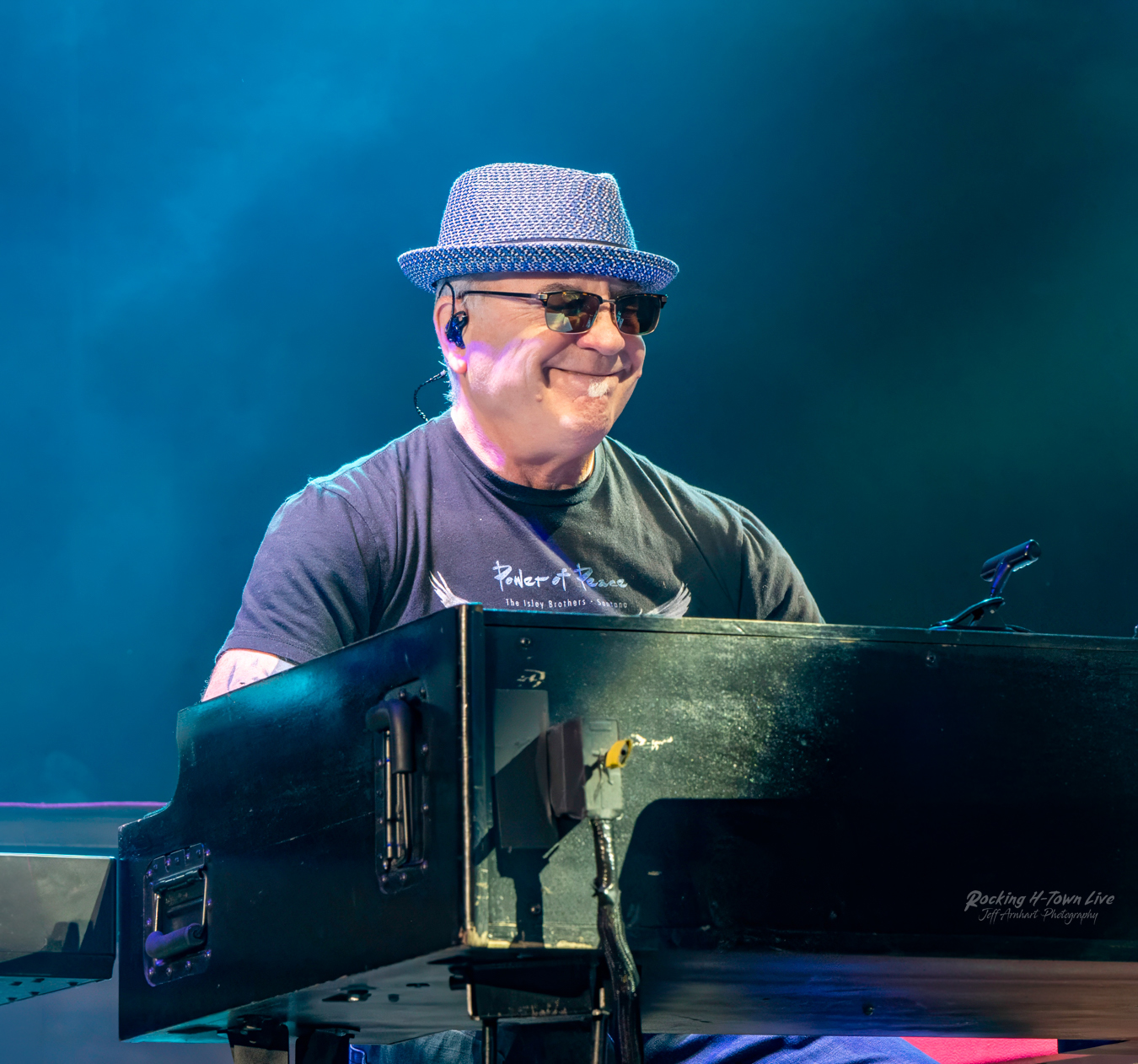
musical palette. McDonald's keyboards, soulful voice and sophisticated
songwriting helped usher in a new era that produced such enduring
classics as “Takin' It to the Streets,” “Minute by Minute” and “What a Fool Believes.”
That
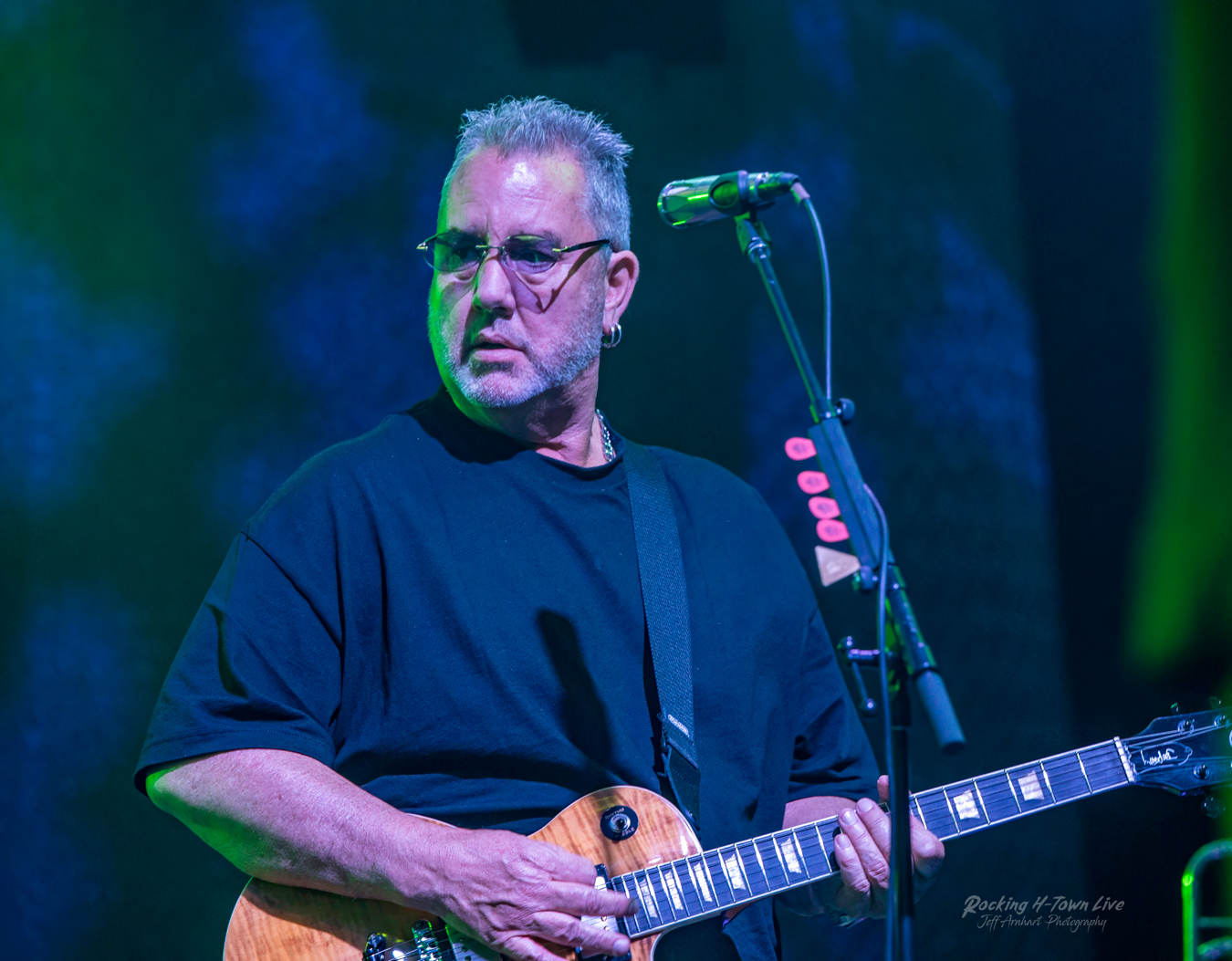
history was represented beautifully in the current touring lineup: Tom
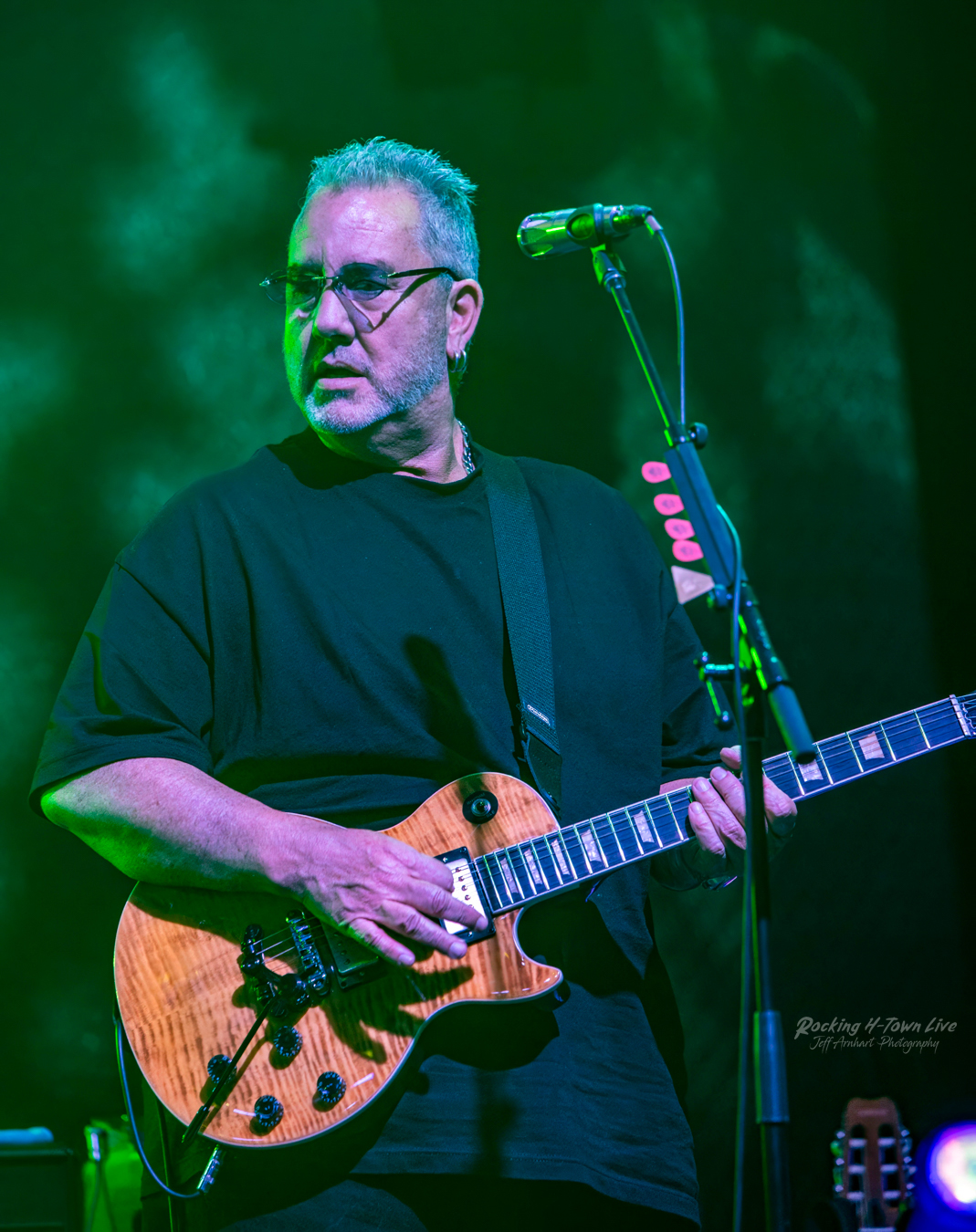
Johnston and Patrick Simmons on guitars and vocals, John McFee on
guitar and vocals,
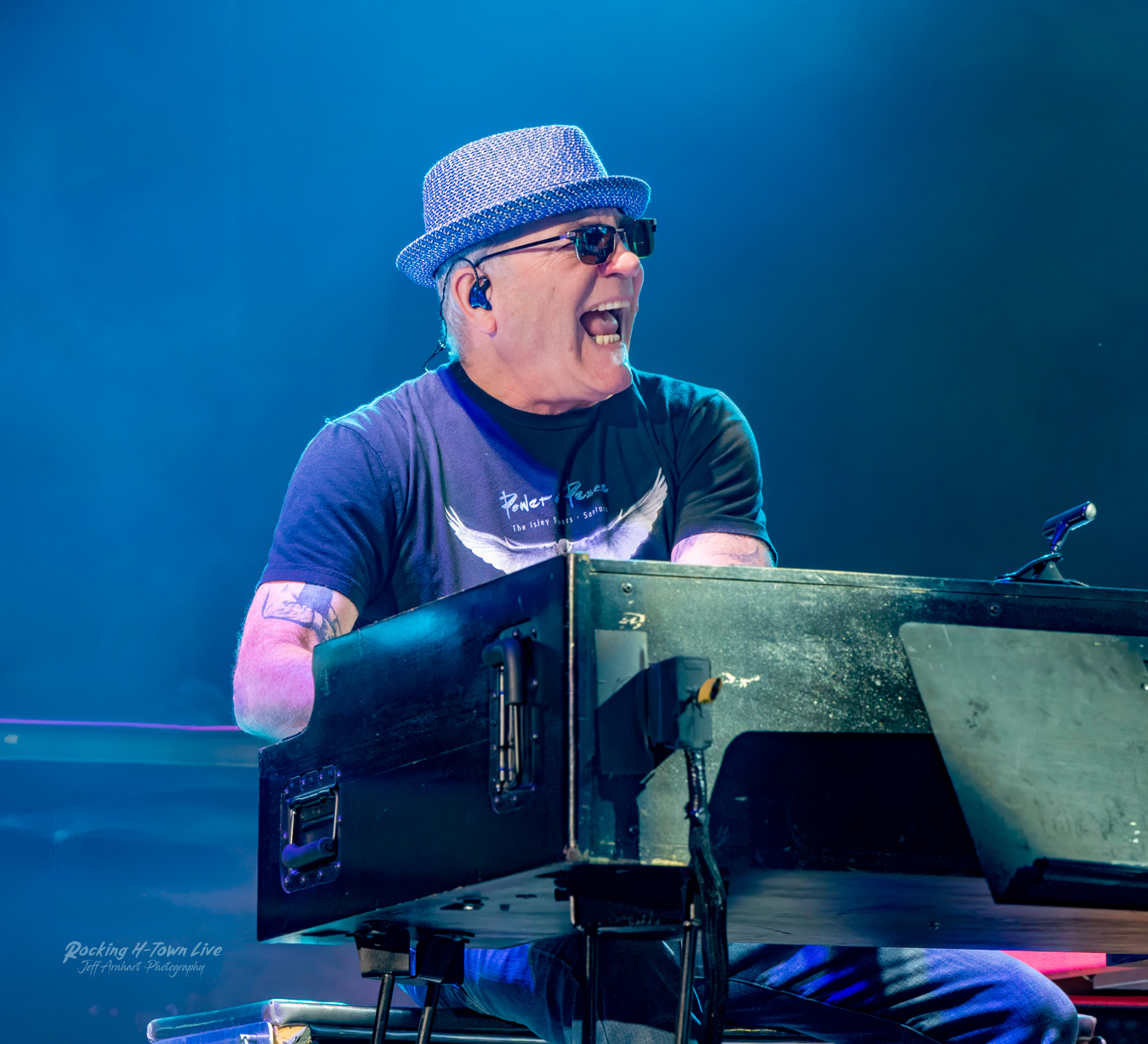
Michael McDonald on piano/keyboards and vocals, Marc Russo on
saxophone, Ed Toth on drums and John Cowan on bass and vocals. The band's official touring lineup
confirms the unusual breadth of instrumentation that allows the modern Doobies to reproduce the different eras of their catalog.
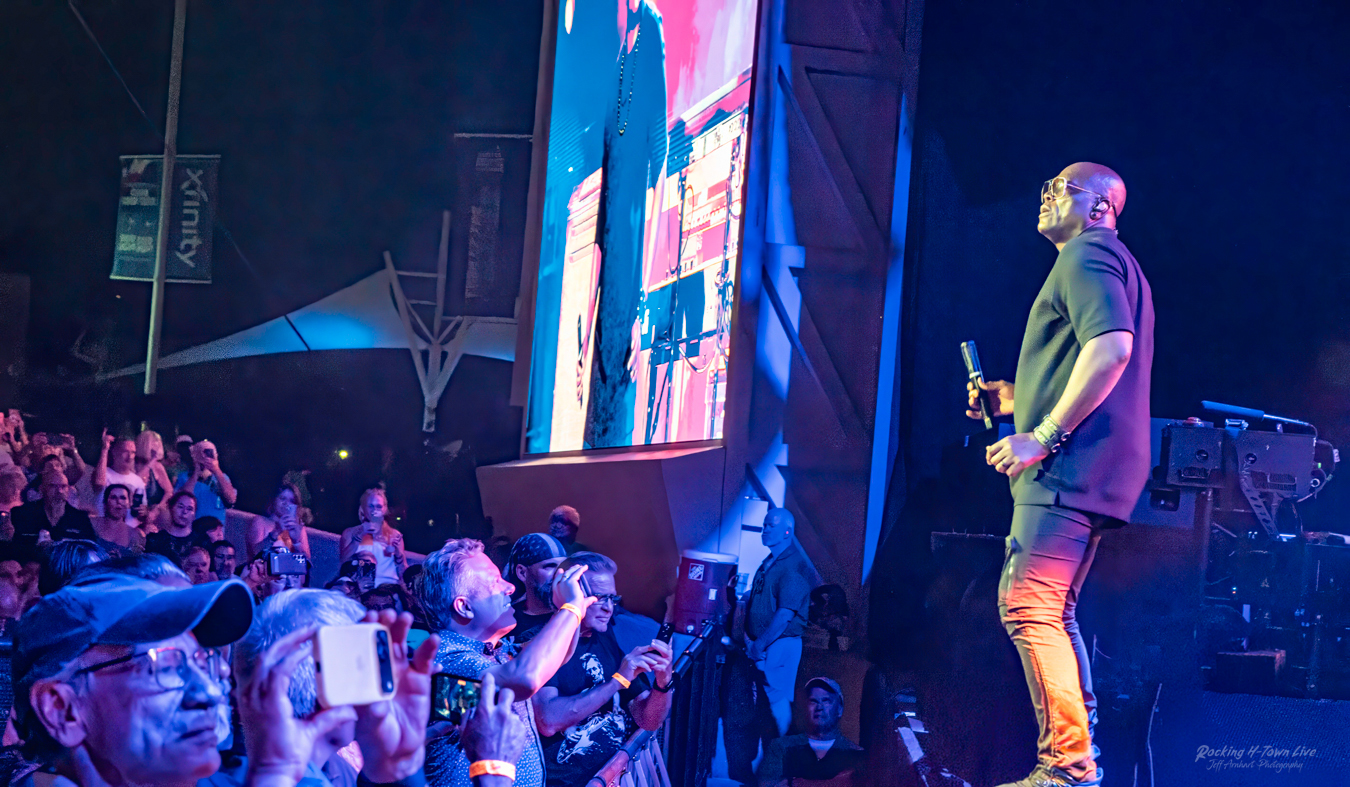
They wasted little time getting the party started with “Rockin' Down the Highway,” immediately reminding everyone that the Doobies have always known how to turn a stage into a moving vehicle. “Take Me in Your Arms (Rock Me a Little While)” kept the momentum rolling before Simmons and Johnston guided the band into “Dependin' on You.”
Then came one of the first major reminders of the band's two distinct identities: “I Keep Forgettin' (Every Time You're Near),” Michael McDonald's solo-era classic, brought the unmistakable blue-eyed soul character of the late-'70s Doobies firmly into the evening. The band then looked toward its newest chapter with “Walk This Road,”
the title track from their 2025 album. The record is historically
important because it reunited Johnston, Simmons, McFee and McDonald in
the studio, marking the first Doobie Brothers album to feature those principal songwriters together in decades.
“The Doobies weren't simply
performing their history - they were showing that their history
still has plenty of mileage left.”
“It Keeps You Runnin'” and “Minute by Minute”
followed, giving McDonald another opportunity to remind the audience
why his voice became such a defining component of the band's second
great era. “Without You” then moved the set back toward the band's more
roots-oriented side before “Jesus Is Just Alright” brought the crowd back into full classic-rock territory. The Doobies
have always had an ability to balance sophistication with pure
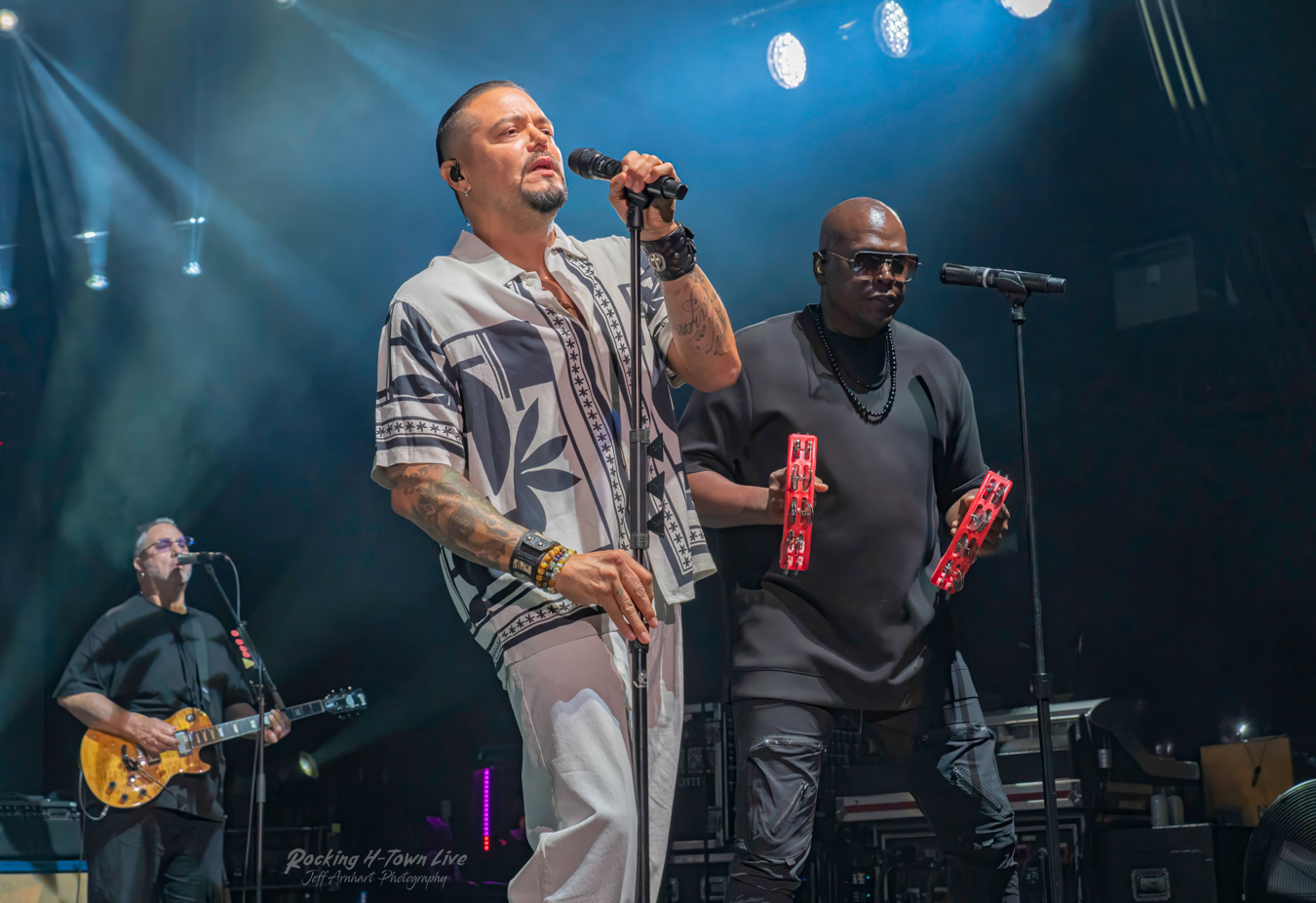
rock-and-roll muscle and that contrast was evident throughout the set. “Takin' It to the Streets” became an especially memorable moment when singers from Santana's band joined the Doobies
onstage, creating an unexpected but completely natural bridge between
the two groups. The song's gospel-inflected soul was suddenly
surrounded by Santana's Latin-rock energy.
That connection continued into “Long Train Runnin'” and “China Grove,” two songs that remain virtually impossible to hear without moving along to their grooves. The band then shifted gears for “Black Water,” Patrick Simmons' signature composition and the Doobies'
first No. 1 single. The song remains one of the band's most distinctive
recordings, its acoustic texture and Southern-influenced character
standing apart from the heavier rock numbers. Then came Michael
McDonald's “What a Fool Believes,” another reminder of how dramatically the Doobies' sound expanded during the late 1970s.
Finally, the band brought everything back to the communal spirit of “Listen to the Music,” giving the audience one last opportunity to sing along before Santana's stage was prepared.
The Doobie Brothers'
legacy is substantial: more than 50 years of music, multiple Grammy
Awards, millions of records sold, induction into the Rock & Roll
Hall of Fame in 2020 and a 2025 Songwriters Hall of Fame induction.
Their latest album, Walk This Road, became another chapter rather than a farewell.
Santana: Six Decades of Rhythm and Soul
After the stage changed over the atmosphere shifted dramatically. The Doobies had delivered California rock and soul. Santana was about to turn the Pavilion into a rhythmic universe.
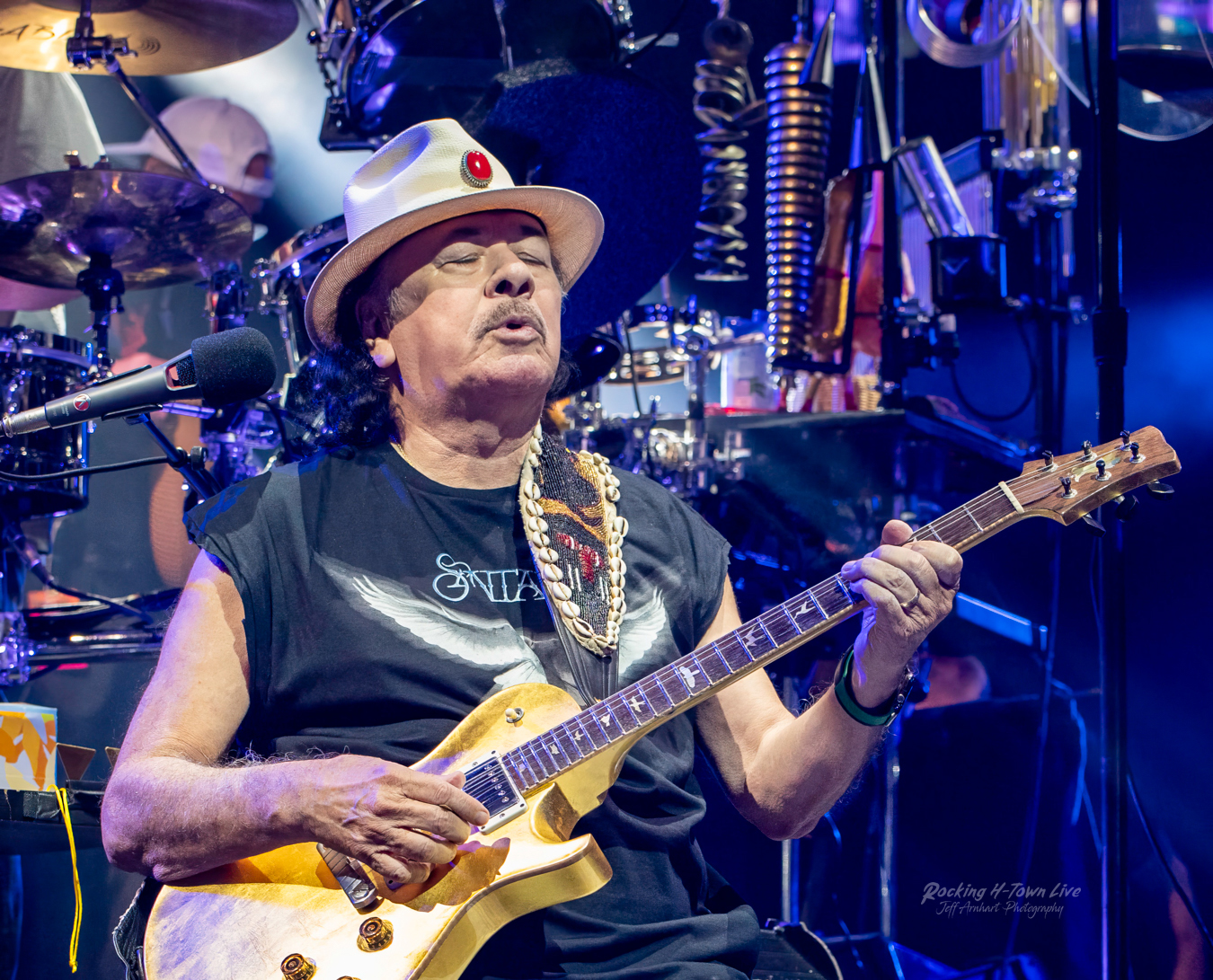
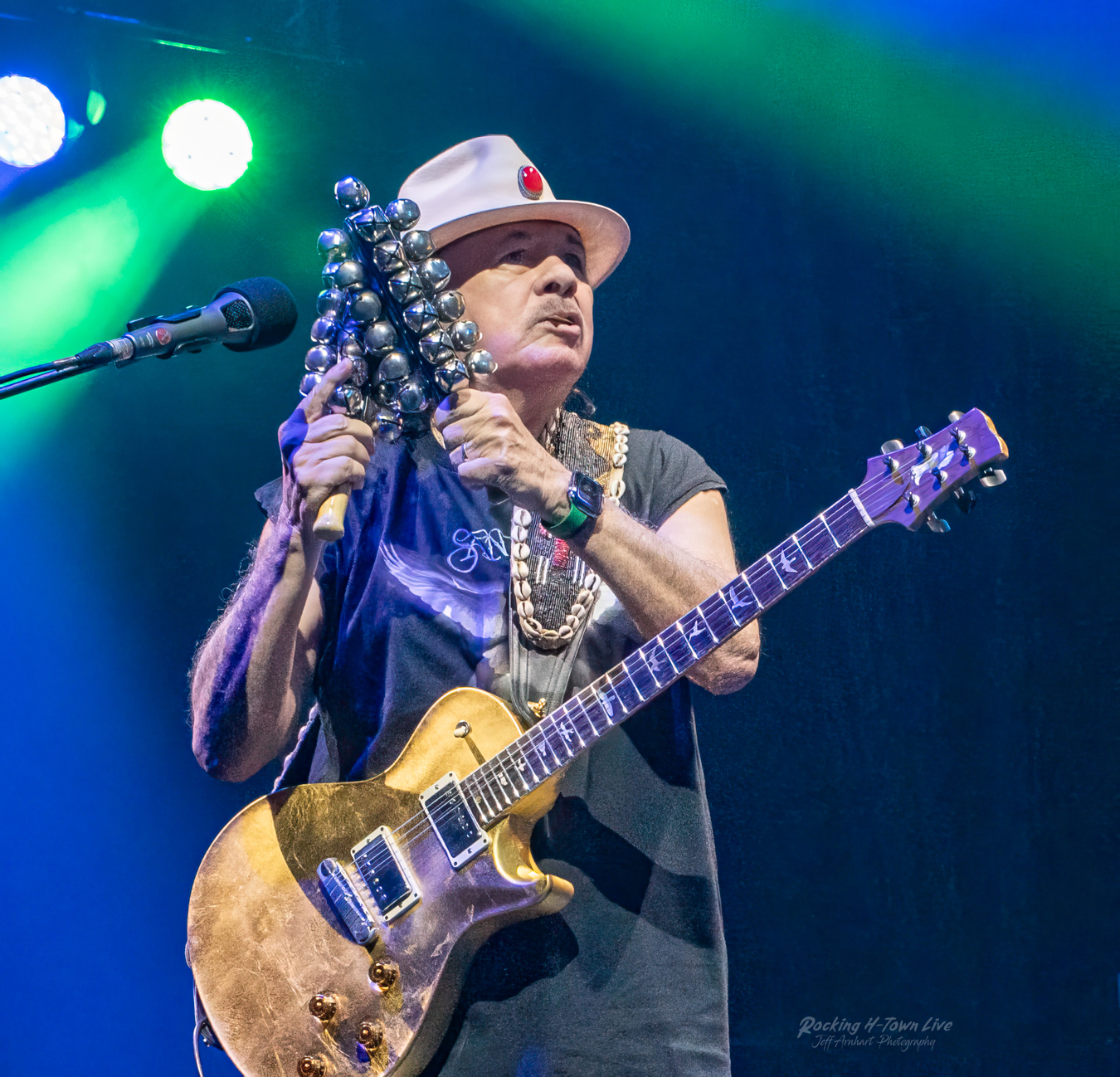
Carlos Santana has been the one constant in a band that has undergone countless personnel changes since its formation. The original Santana
emerged from the San Francisco scene in the late 1960s, eventually
settling into the classic lineup of Carlos Santana, Gregg Rolie, David
Brown, Michael Shrieve, Michael Carabello and José “Chepito” Areas.
That lineup was immortalized at Woodstock and on the landmark albums Santana, Abraxas and Santana III.
The classic lineup was inducted into the Rock & Roll Hall of Fame
in 1998. While those original members are no longer the touring Santana
lineup, their influence remained unmistakable throughout the night.
Joining
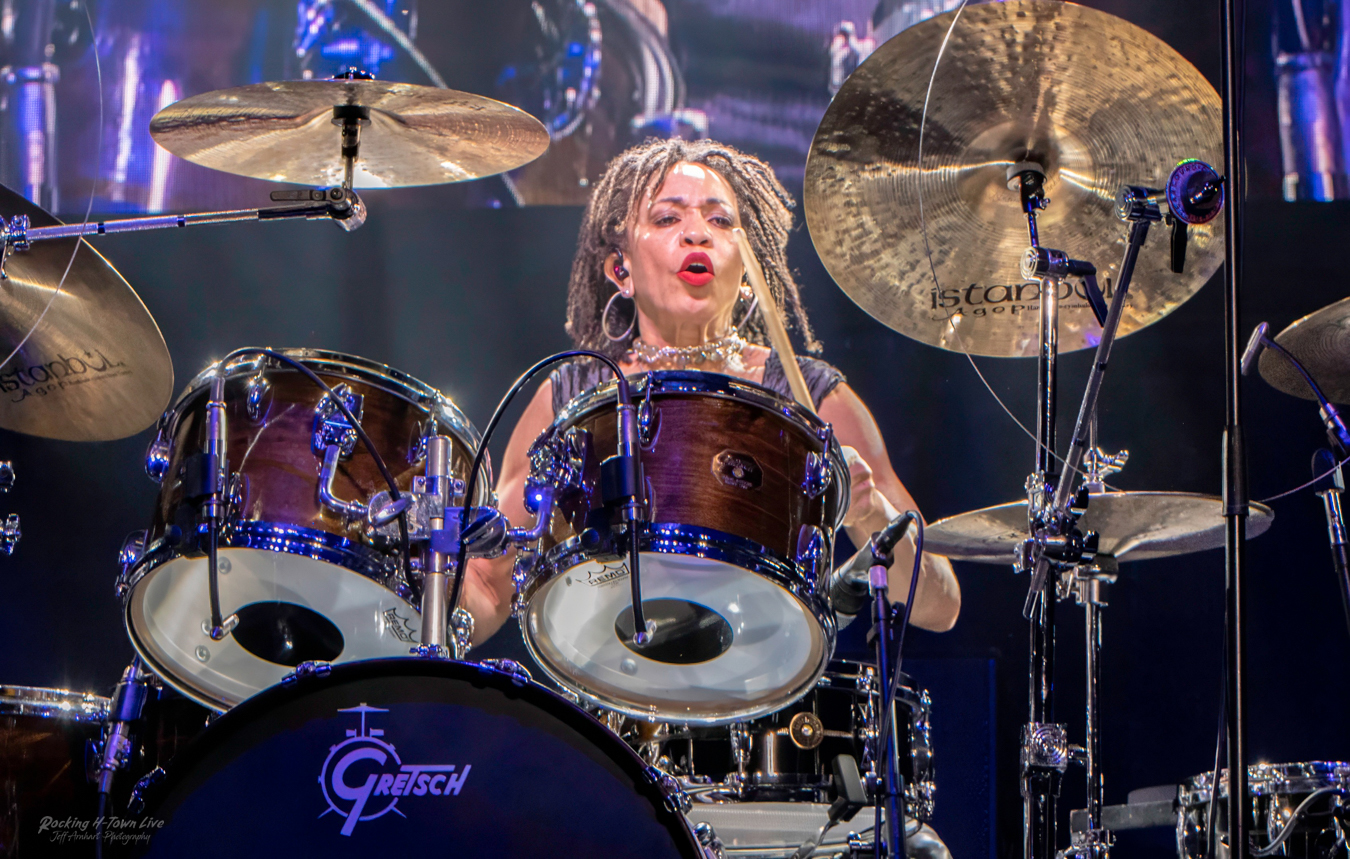
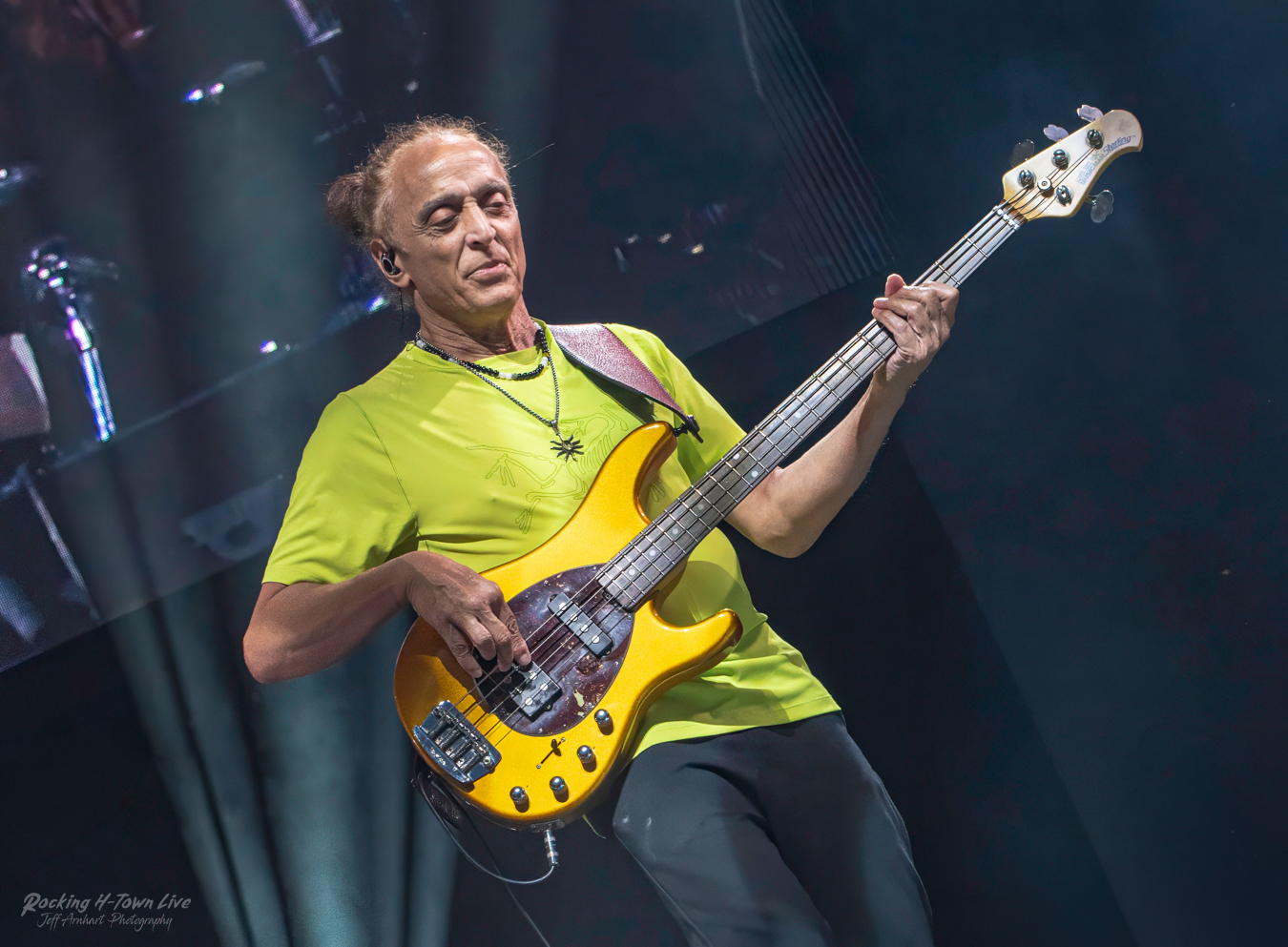
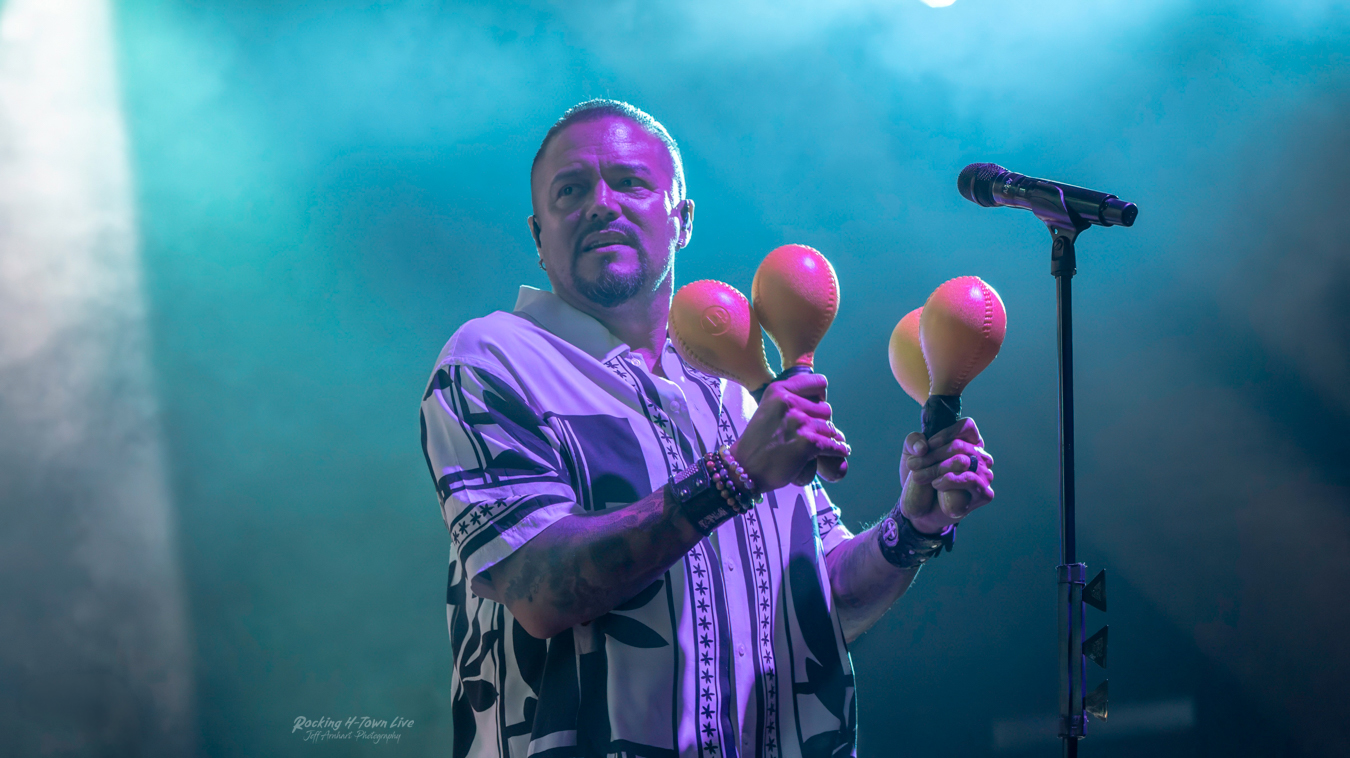
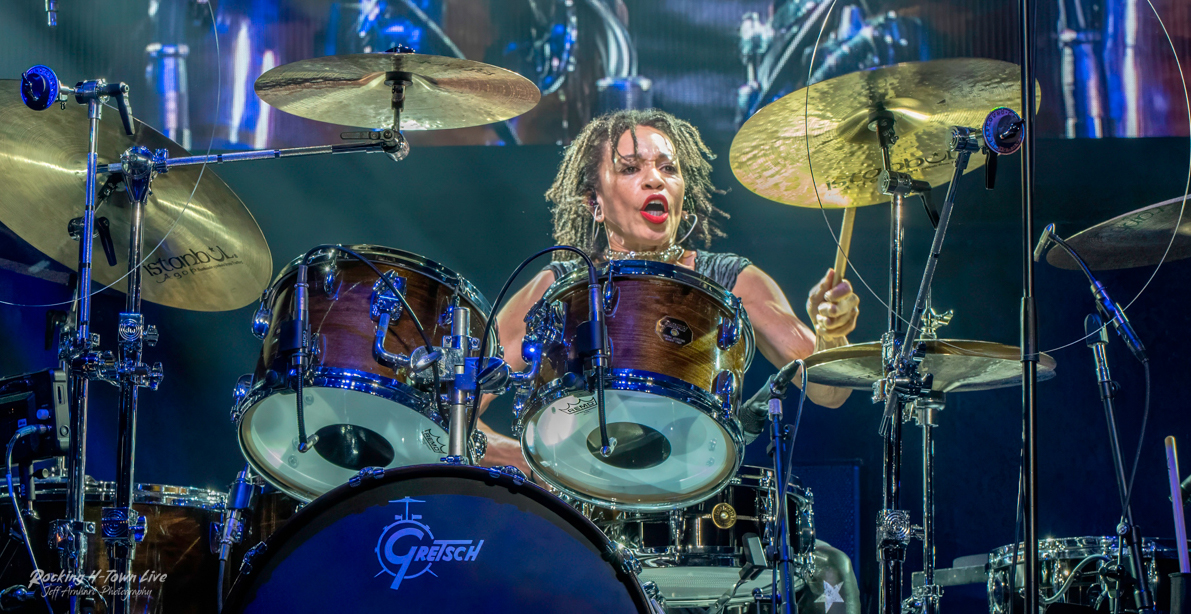
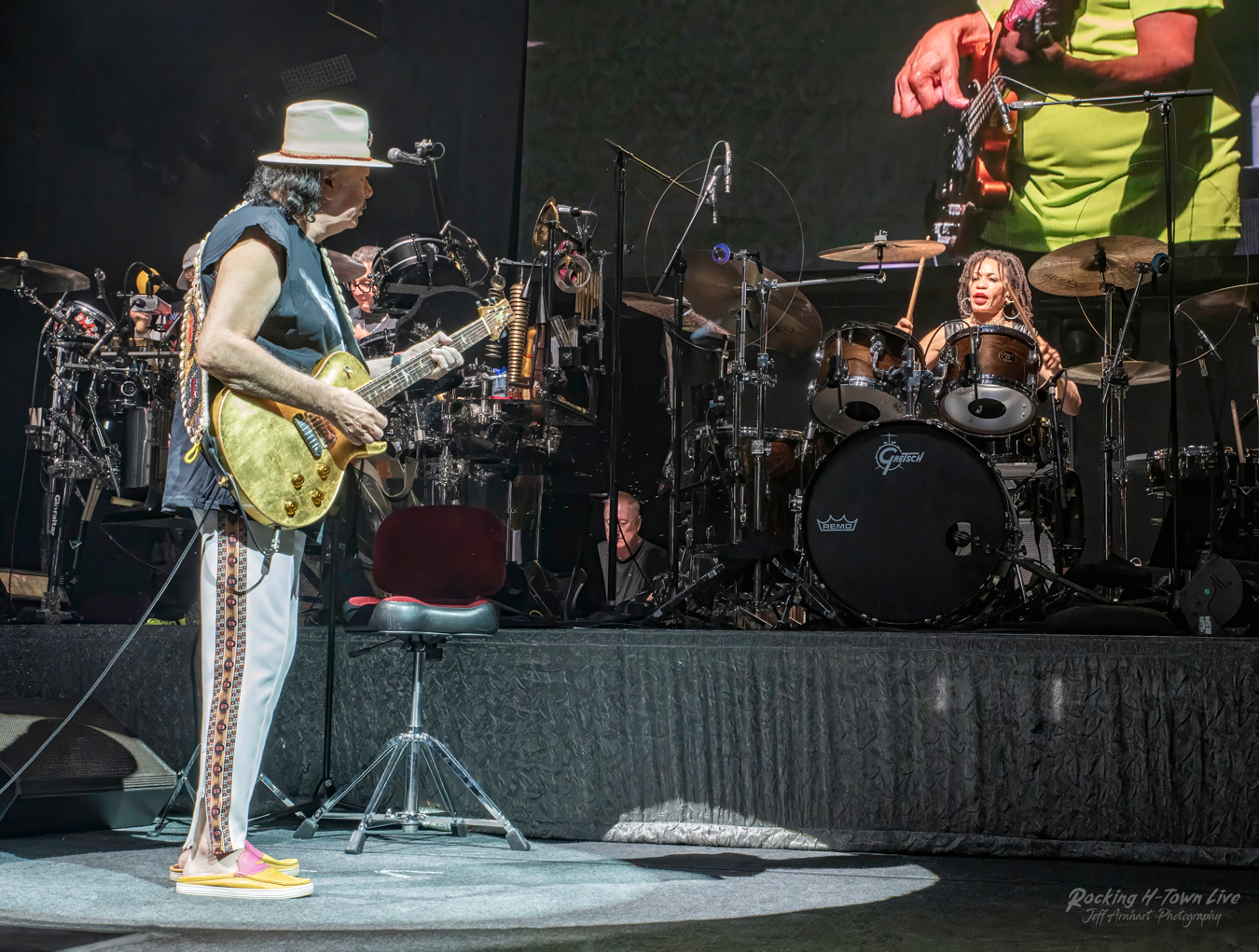
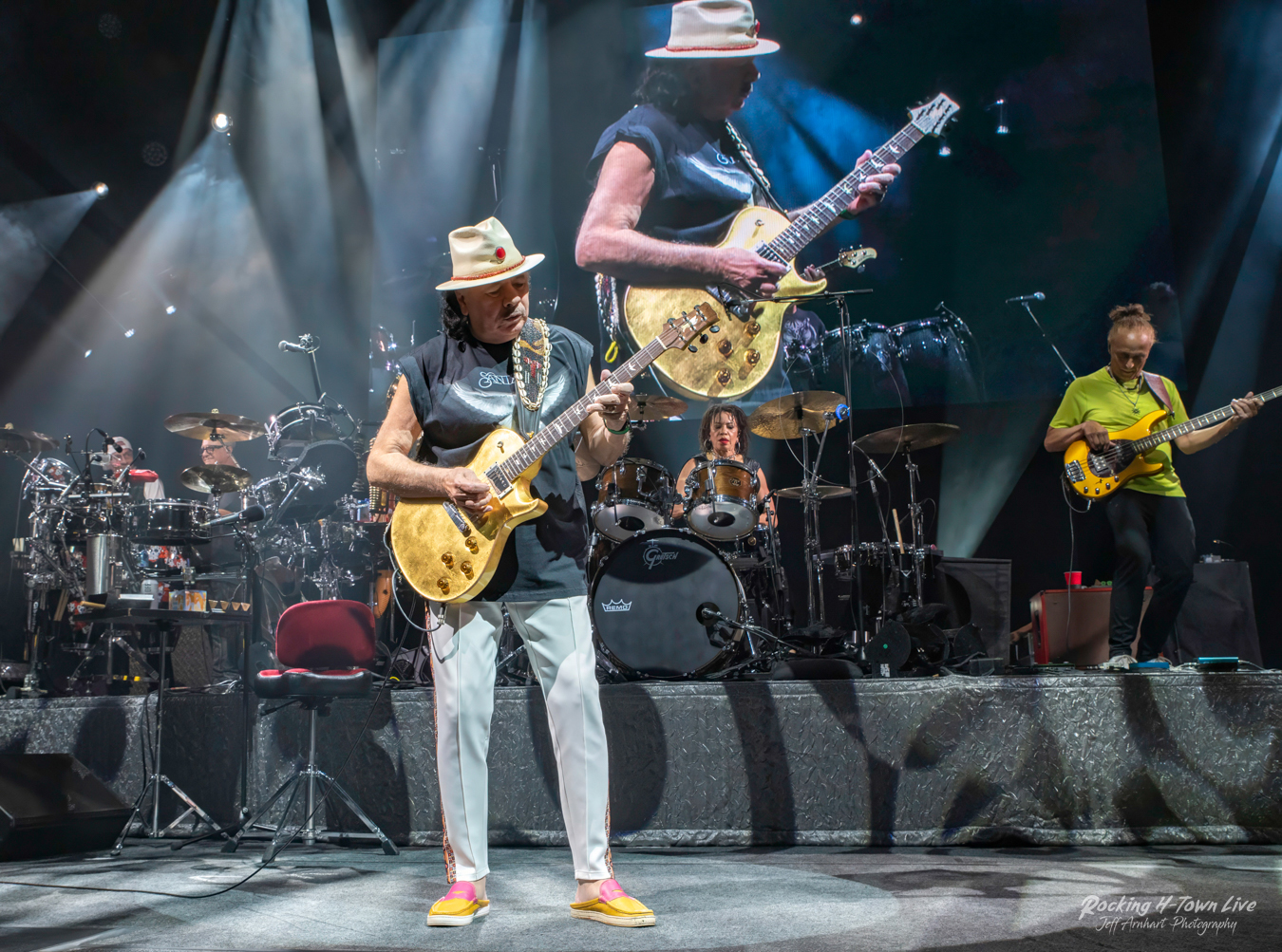
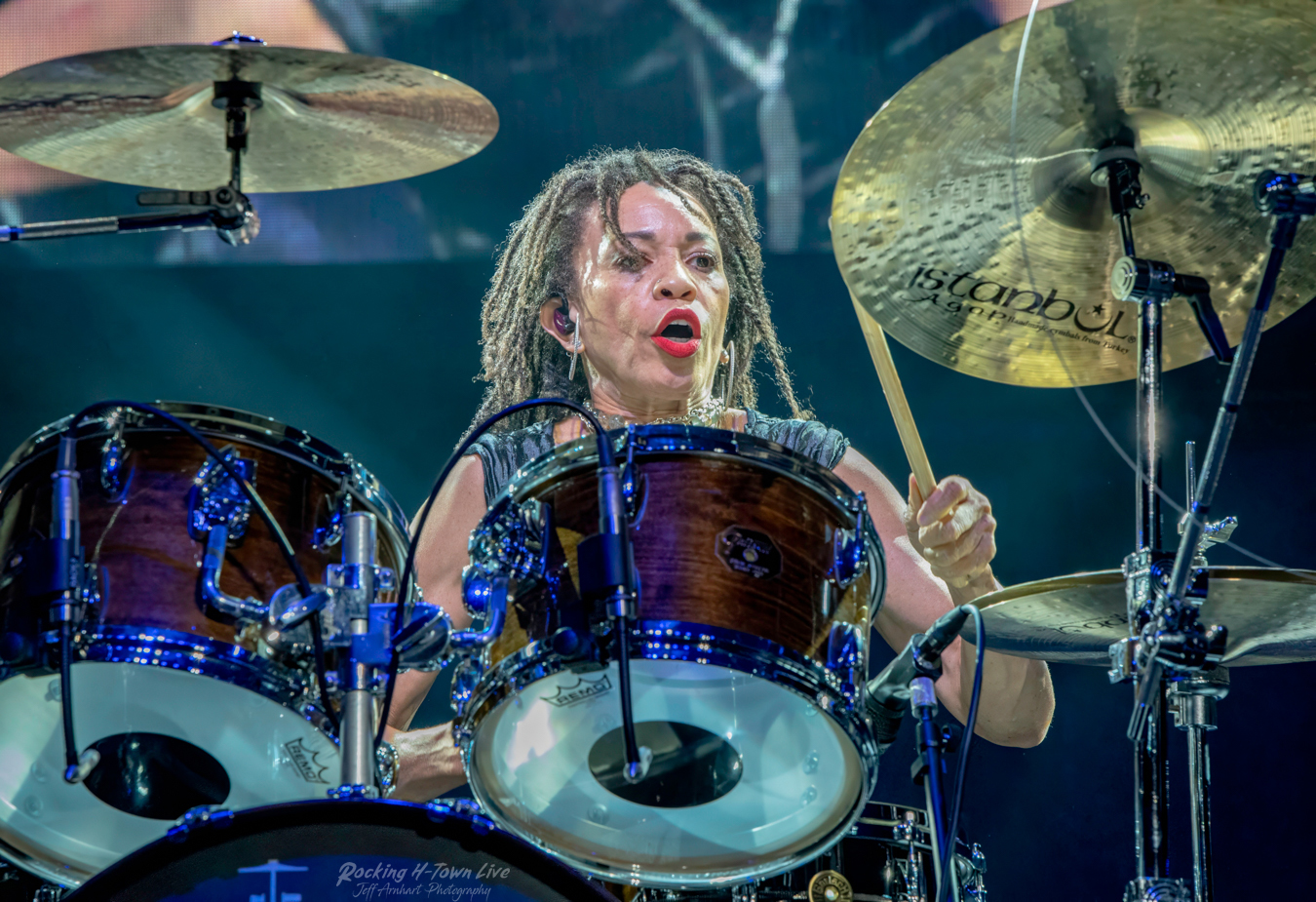
Carlos onstage was a powerhouse ensemble featuring Cindy Blackman
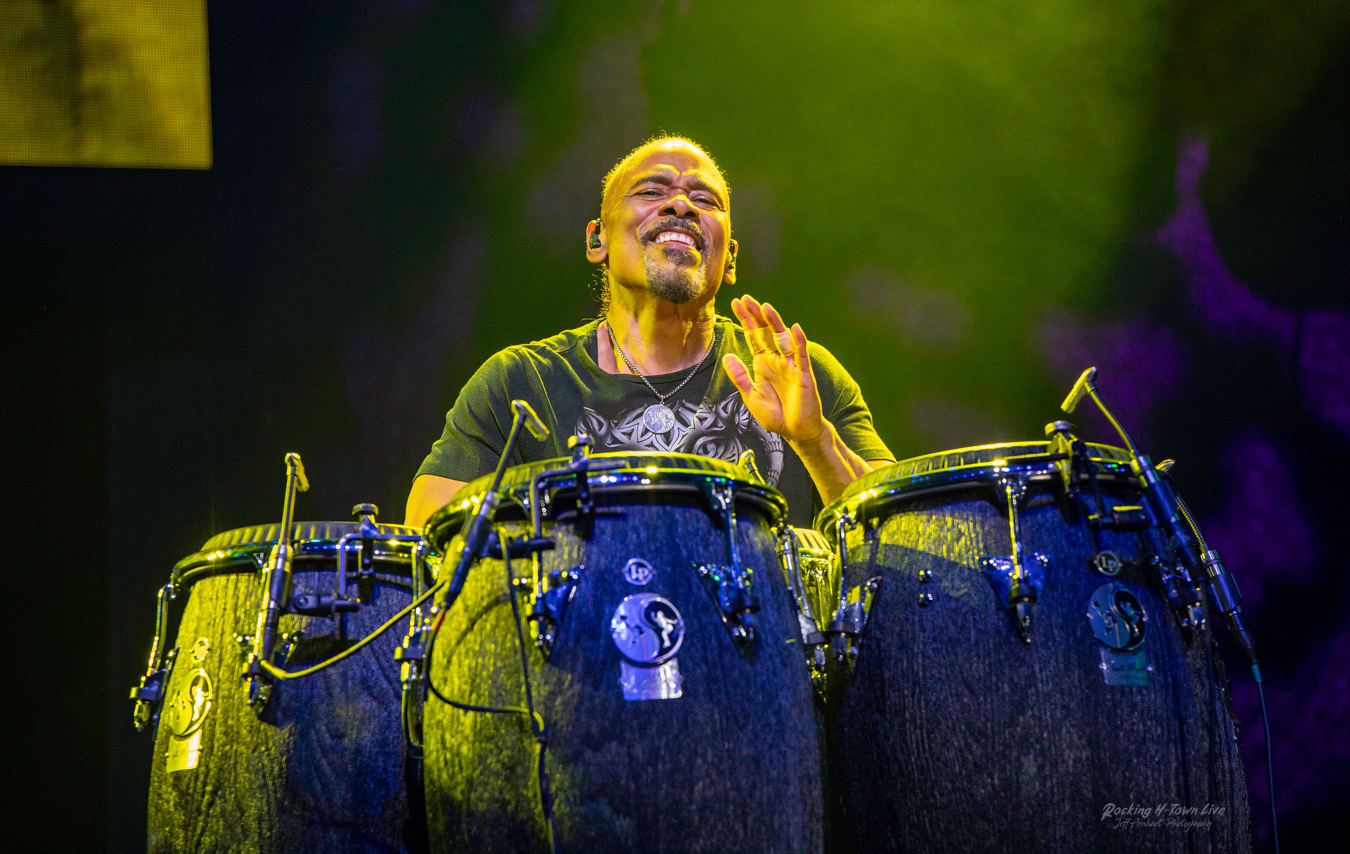
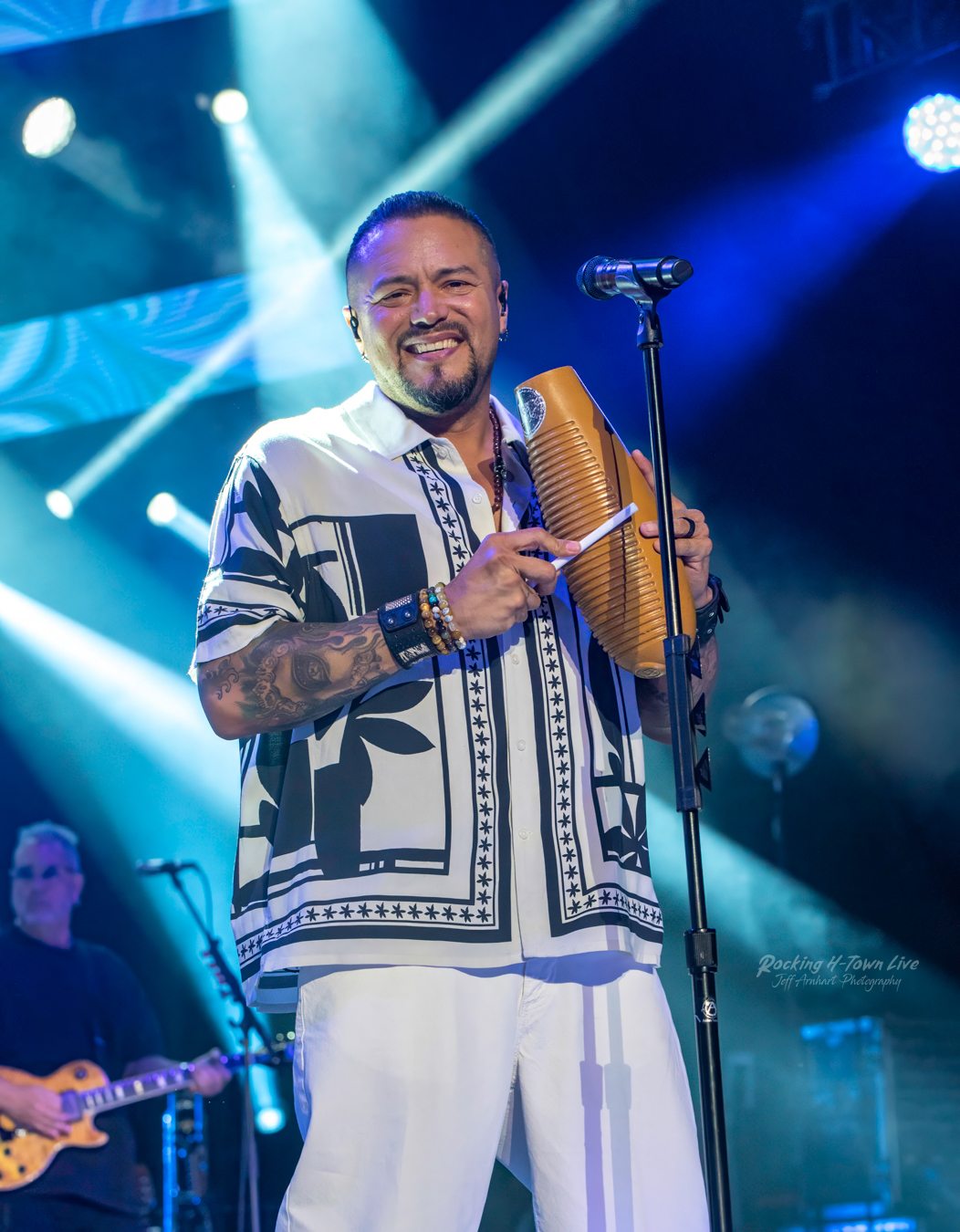
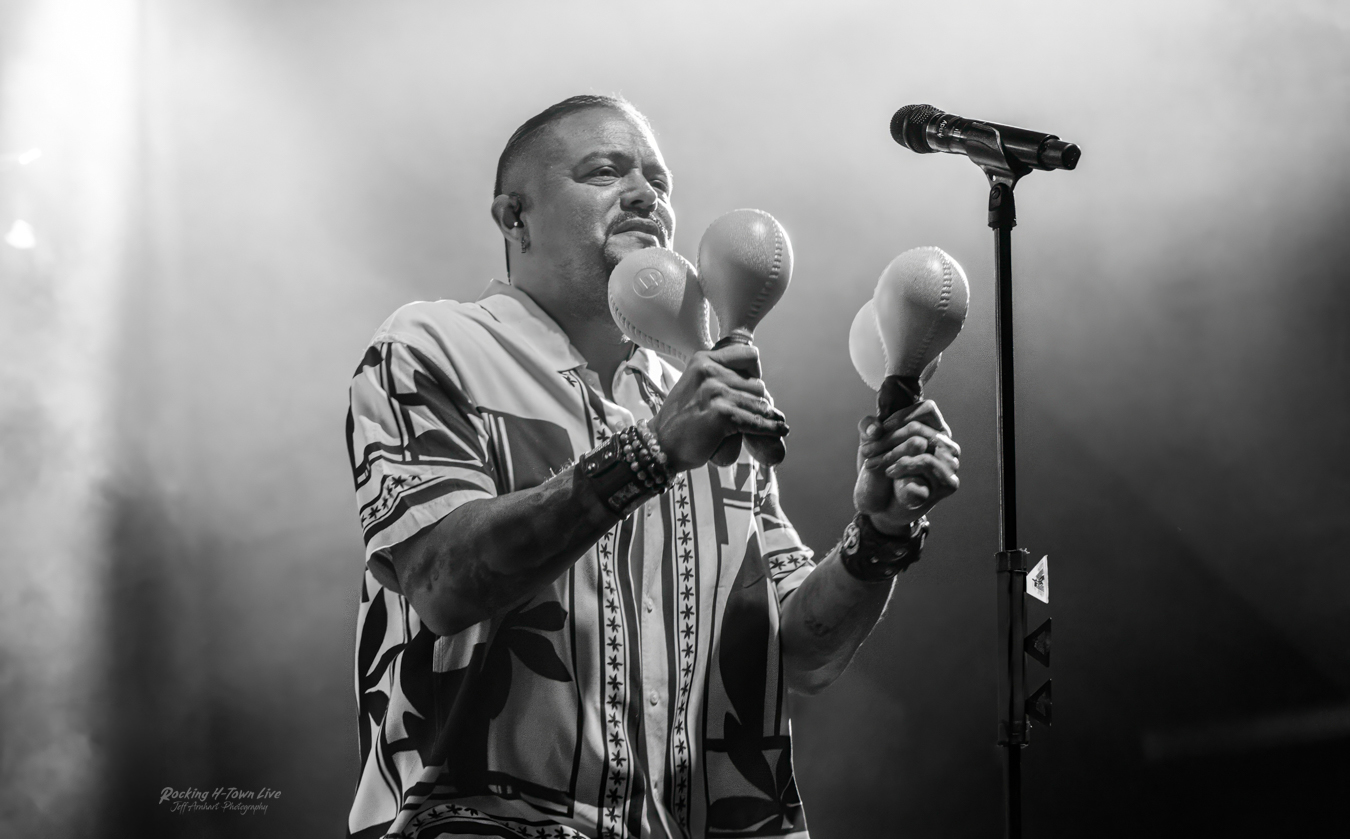
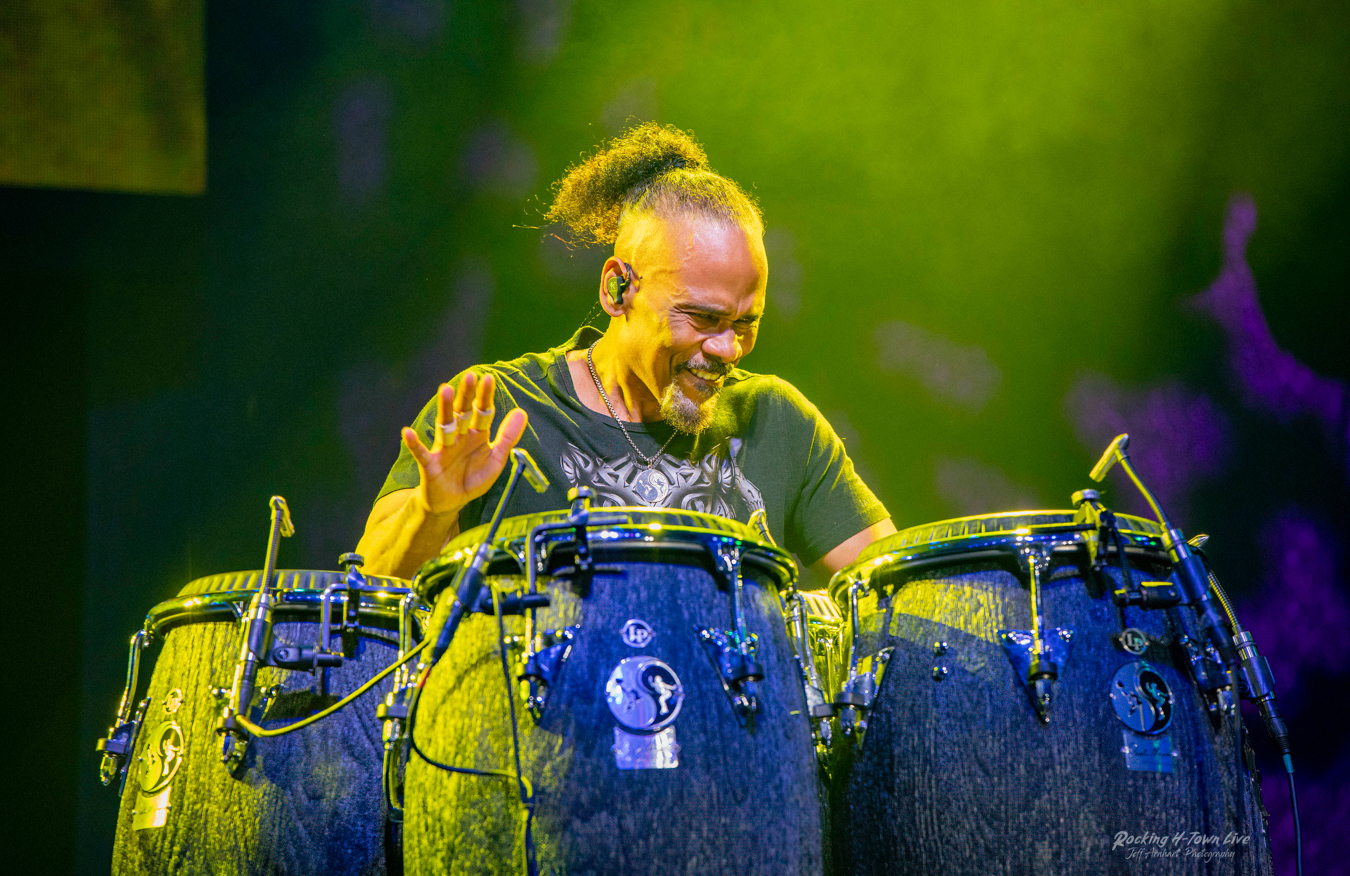
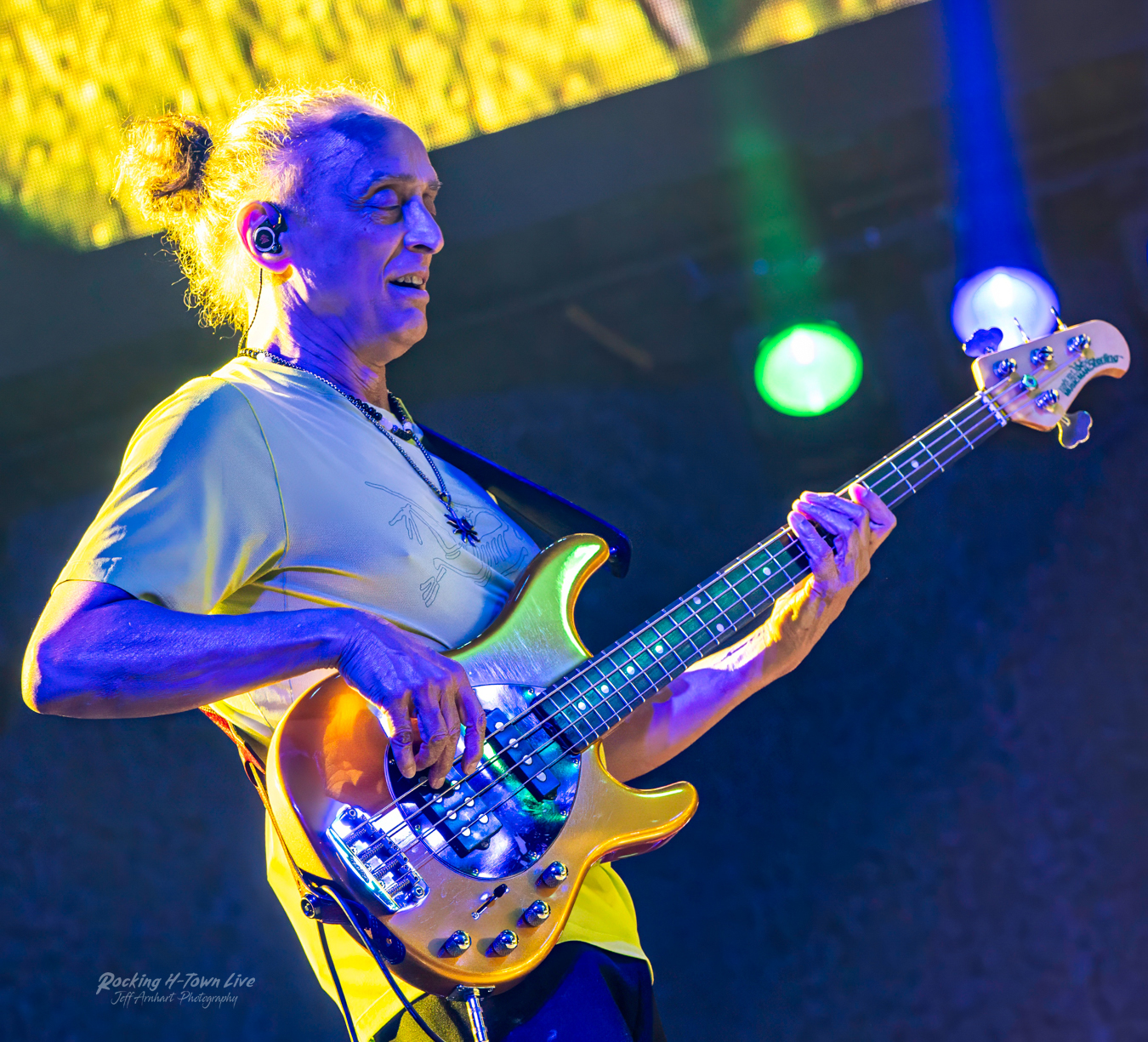
Santana on drums, Benny Rietveld on bass, Karl Perazzo and Paoli Mejías
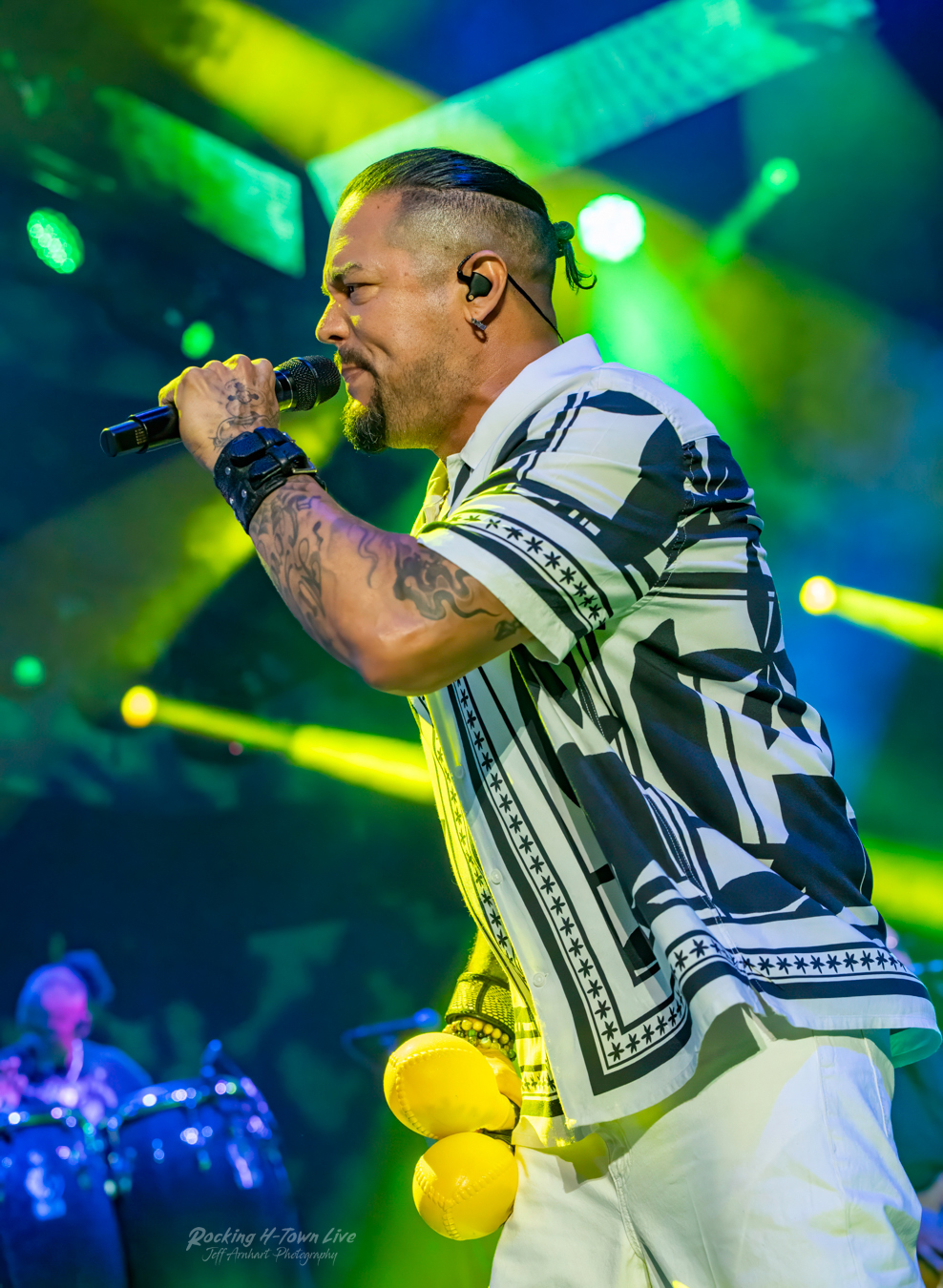
on percussion, Andy Vargas and Ray Greene on vocals, Tommy Anthony on
guitar and vocals and David K. Mathews on keyboards. Santana's
official site lists these musicians among its current players, with the
group representing a remarkable collection of jazz, rock, Latin,
R&B and soul experience.
Blackman
Santana, who has performed with artists including Lenny Kravitz,
Pharoah Sanders and Cassandra Wilson, provided the rhythmic foundation.
Rietveld brought decades of experience that includes work with Miles
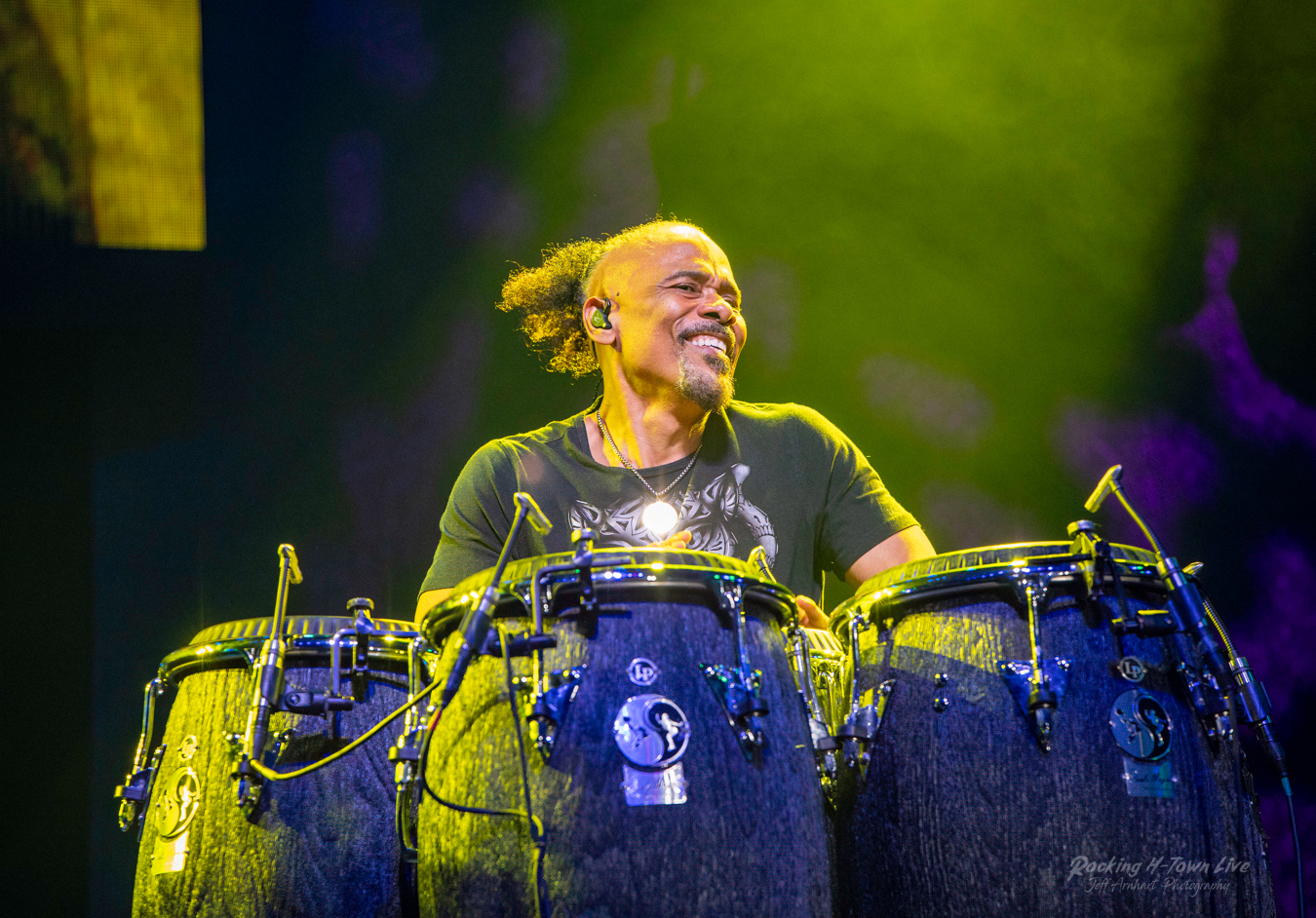
Davis, Sheila E. and Huey Lewis and the News. Perazzo supplied the deep
Latin percussion tradition that has been central to Santana's sound for
decades, while Mejías added his Puerto Rican Latin-jazz expertise.
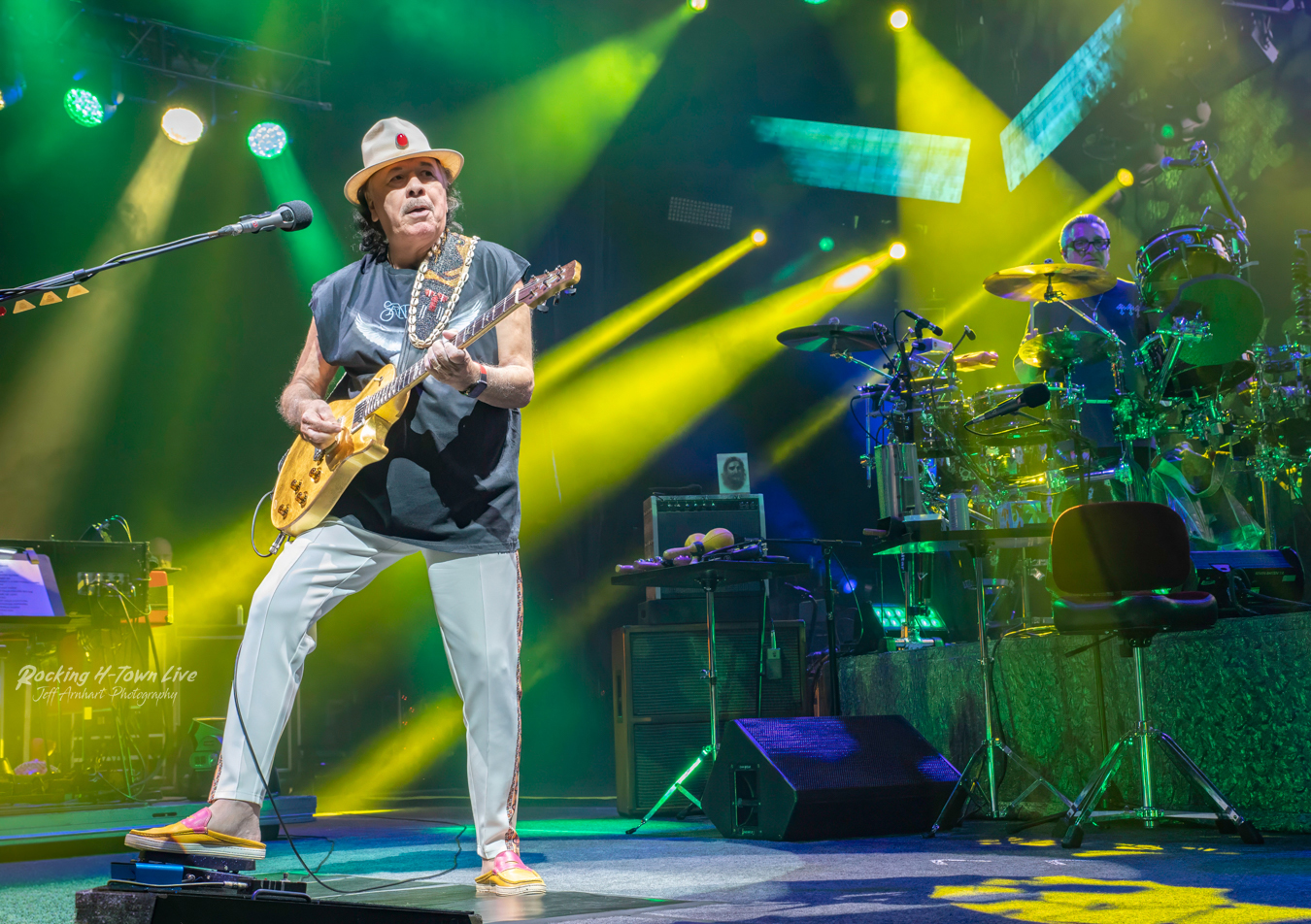
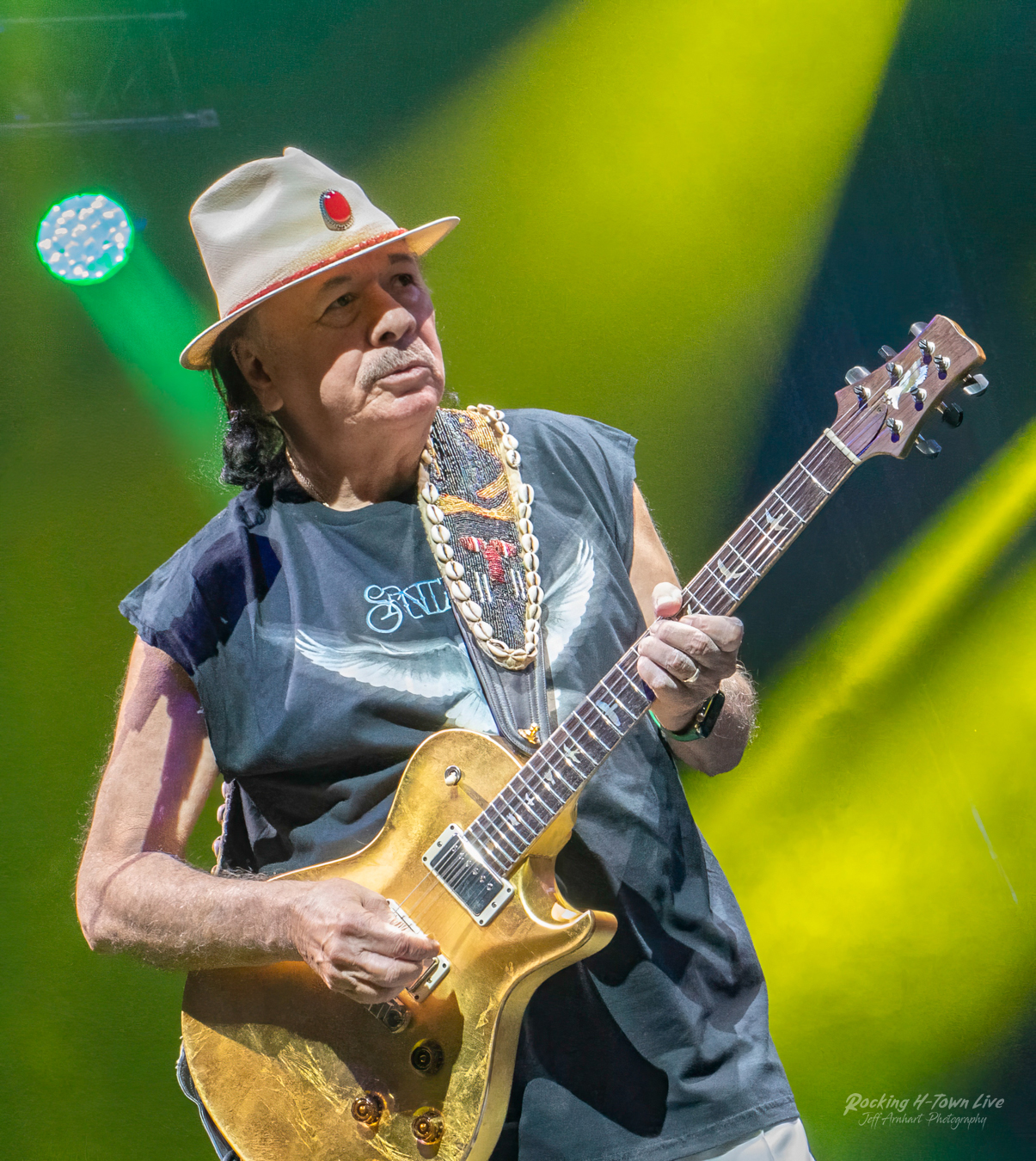
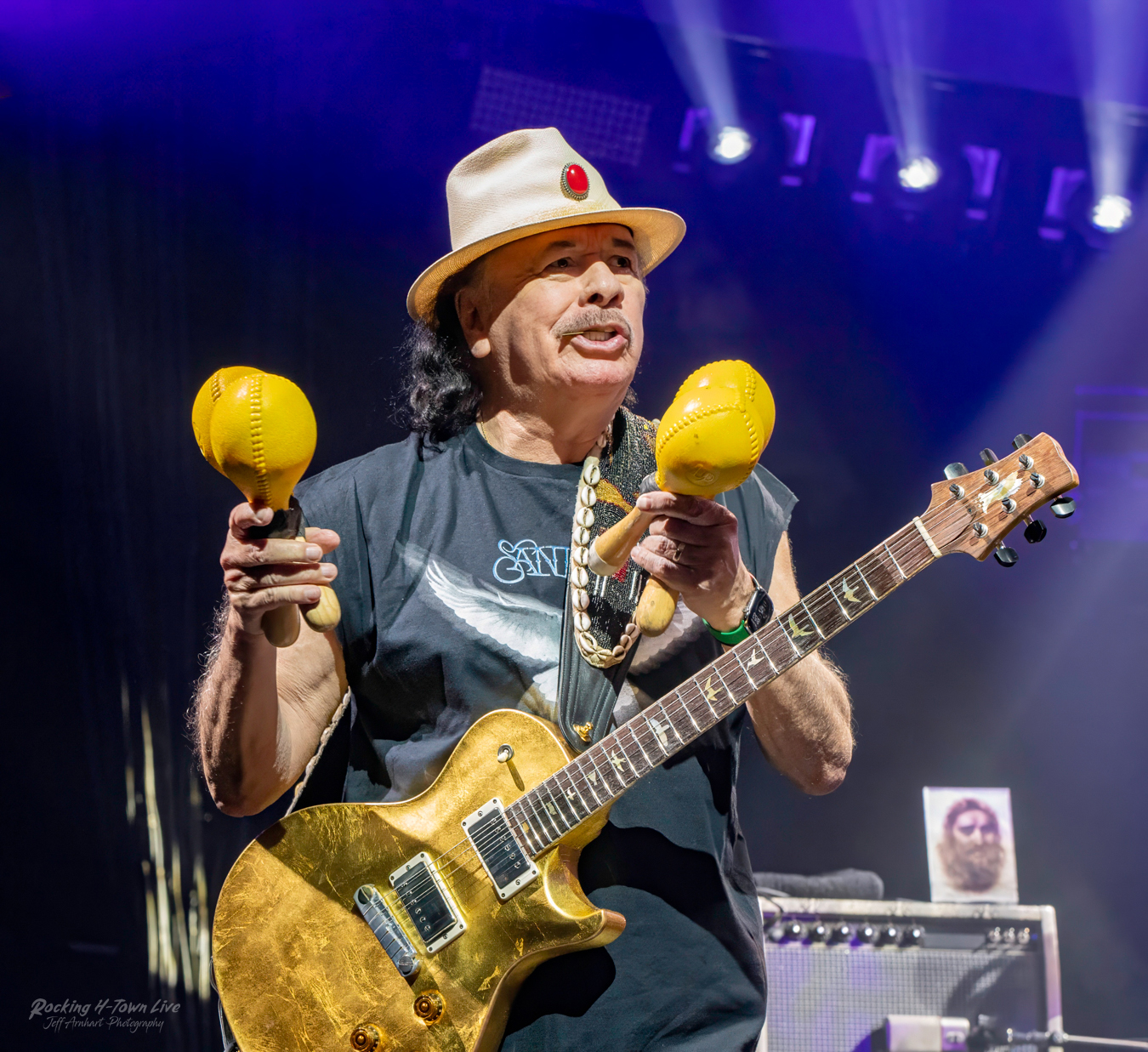
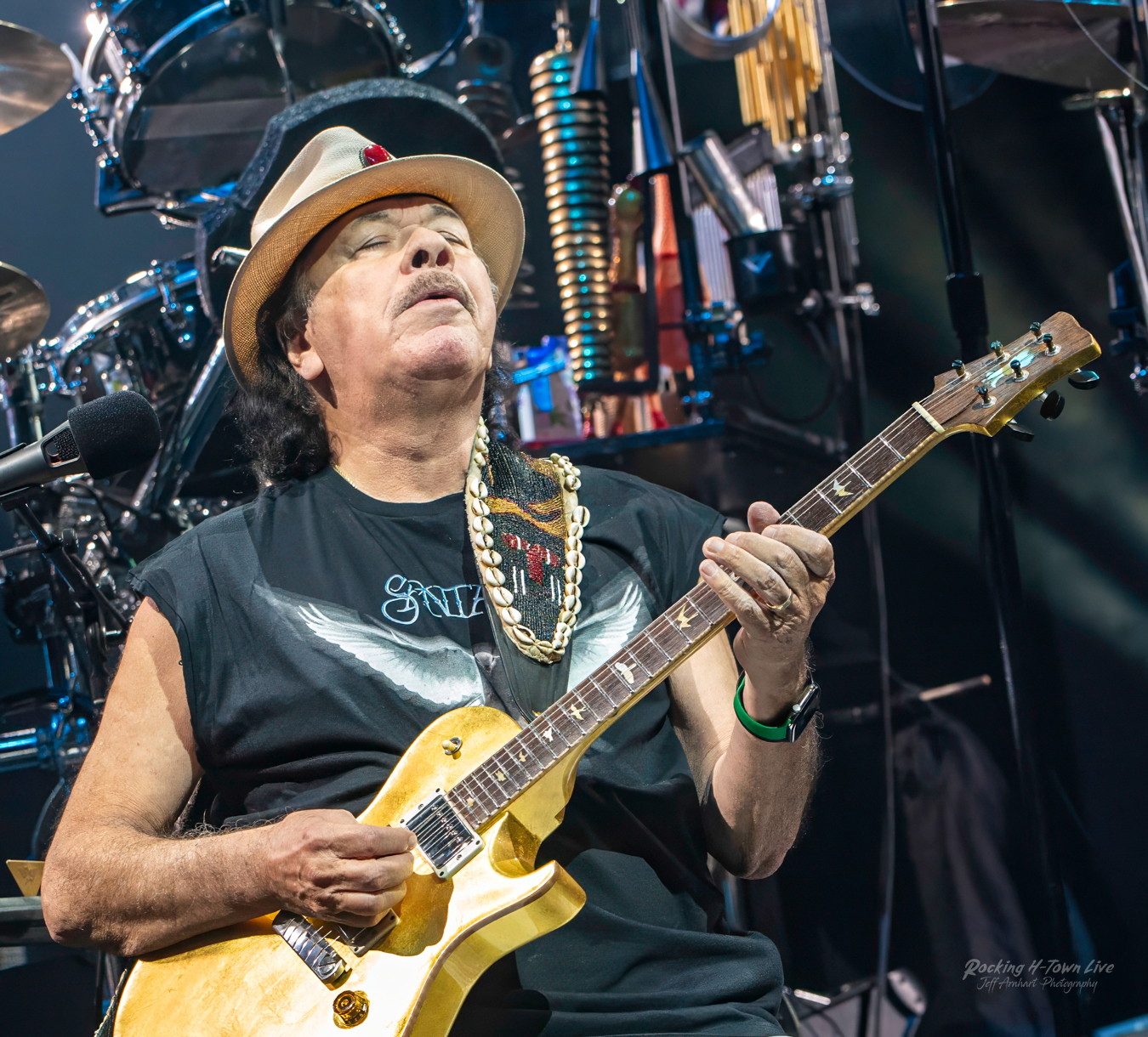
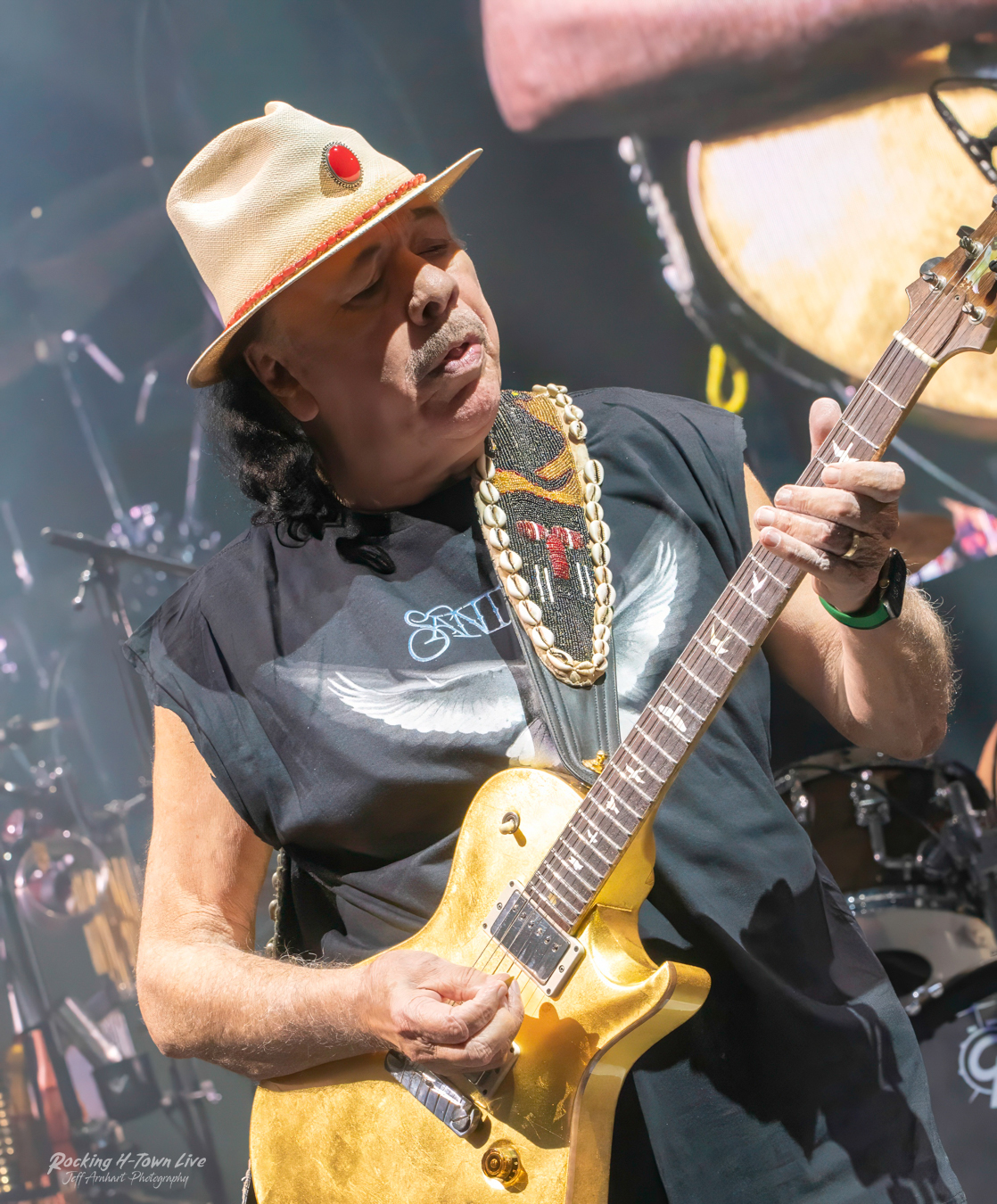
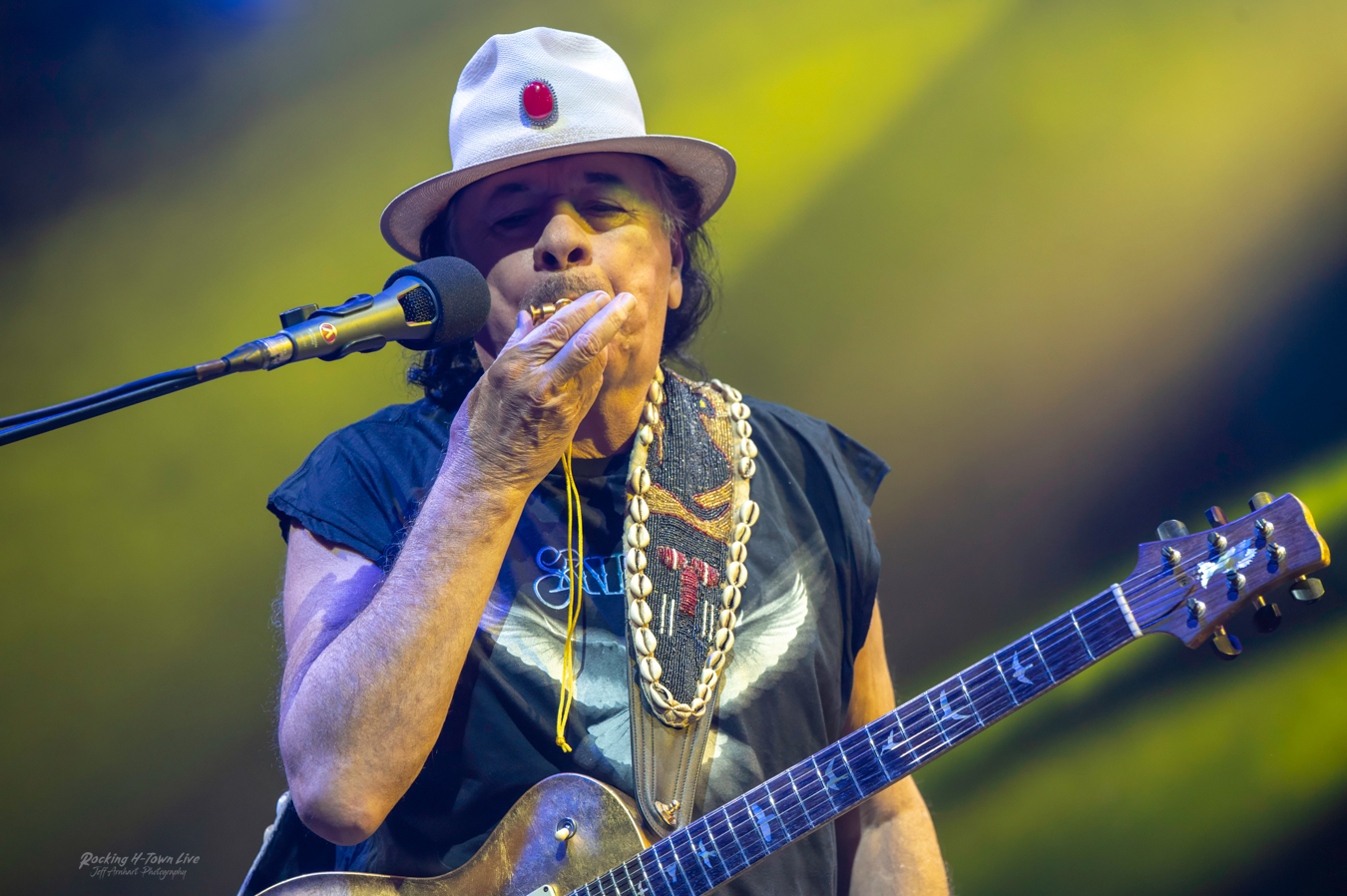
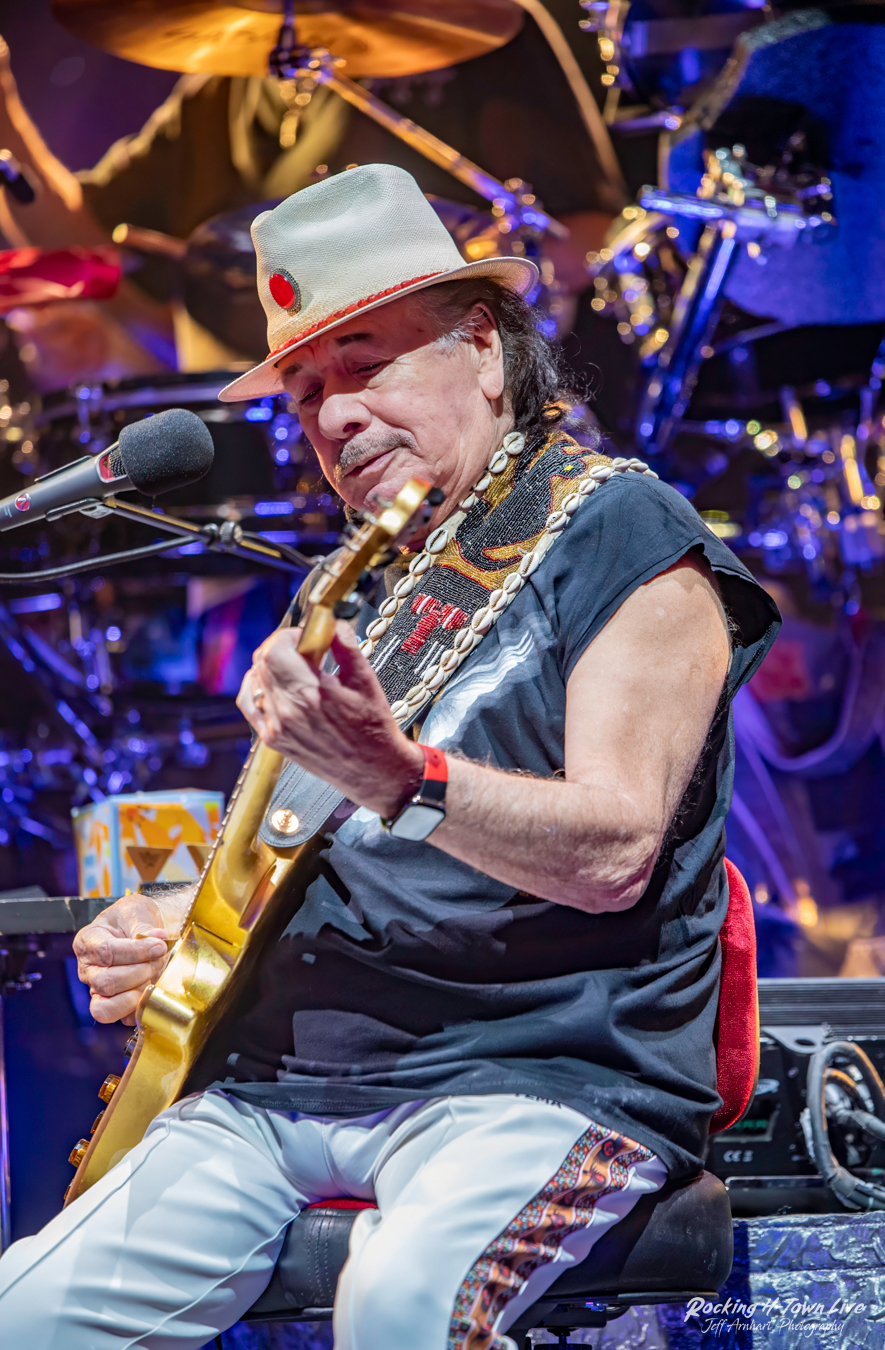
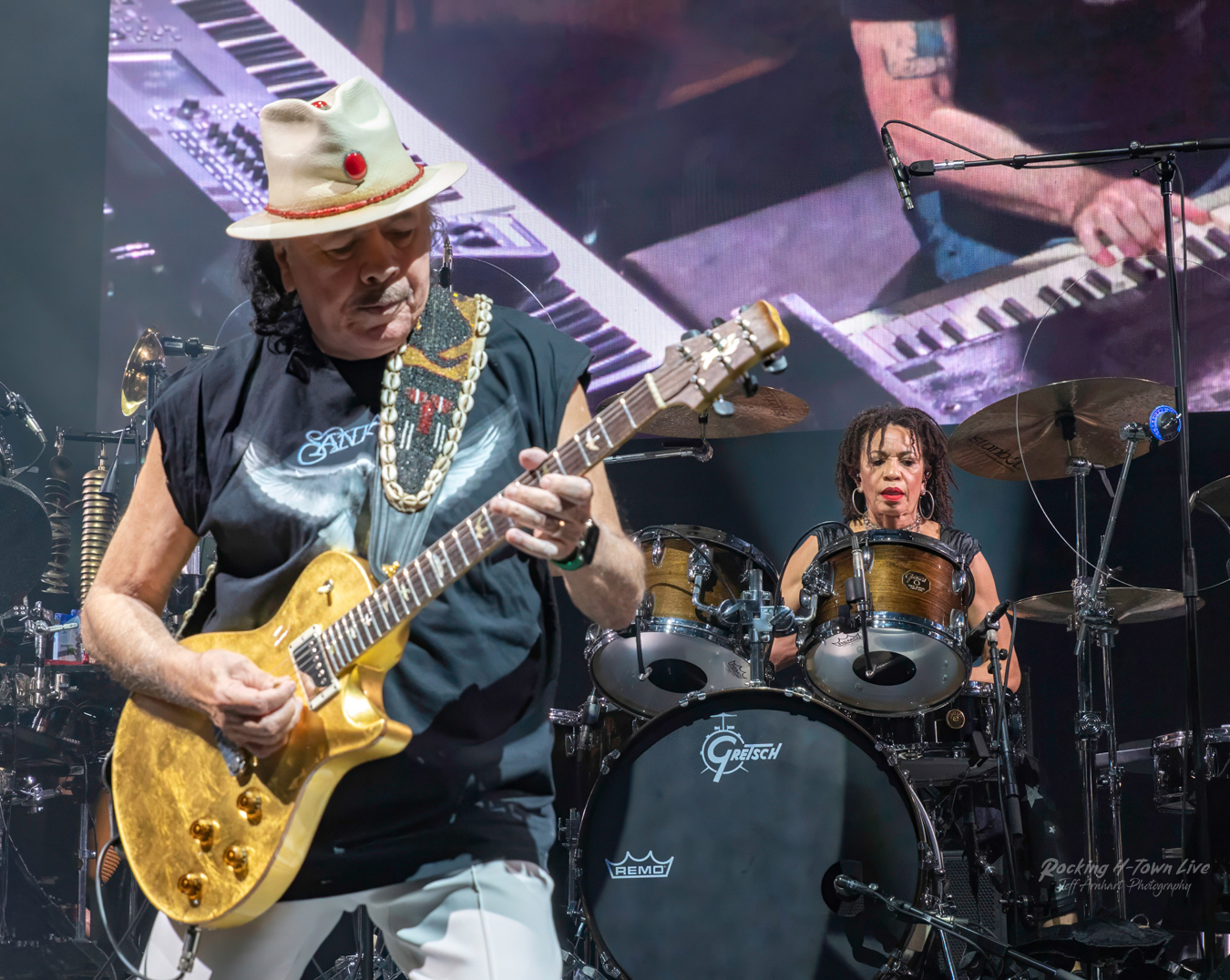
And then there was Carlos.
“Carlos Santana doesn't simply play the guitar. He makes it speak.”
The opening combination of “Soul Sacrifice” and “Jingo”
immediately transported the audience back to the band's earliest years.
These aren't merely songs in Santana's catalog - they are pieces of
rock history. “Evil Ways”
followed, bringing one of the band's most recognizable grooves into the
modern era. The song, originally associated with Willie Bobo, became
one of Santana's signature recordings and remains a perfect showcase for the way Carlos blends blues phrasing with Latin rhythm.
Then came the familiar combination of “Black Magic Woman” and “Gypsy Queen,” a pairing that has become inseparable from Santana's identity. The former began as a Fleetwood Mac song, while “Gypsy Queen” came from jazz guitarist Gábor Szabó. Santana transformed the two pieces into something unmistakably his own.
“Oye Como Va” then turned the Pavilion into a massive dance floor.
The instrumental attack continued with “Everybody's Everything,”
before longtime bassist Benny Rietveld received his own spotlight with
a bass solo. It was a fitting showcase for one of the longest-serving
members of Santana's modern lineup.
The mood shifted into something more reflective with “Samba Pa Ti,” one of Carlos Santana's
most beloved instrumental compositions. Where the opening numbers had
been about rhythm and explosive energy, this was about melody and
emotion.
“For all the spectacle, Santana's greatest trick remains the simplest one: make a guitar melody feel like a human voice.”
The percussion-heavy “Batuka” brought the rhythm section back to the forefront before “No One to Depend On” and “Hope You're Feeling Better” continued the journey through Santana's early catalog. The band then jumped forward several decades. “The Game of Love” brought the audience into Santana's
post-Supernatural era, the period that introduced his music to a new
generation through collaborations with contemporary pop and rock
artists. From there, the band moved into the Latin-rock propulsion of “(Da le) Yaleo,” followed by “Put Your Lights On,” “Corazón Espinado” and “Maria Maria.” The sequence demonstrated just how wide Santana's
musical world has become. The band could move from a late-'60s
instrumental jam to a modern pop hit and then into Spanish-language
Latin rock without ever sounding as though it had left its musical
center.
That center is Carlos Santana.
His guitar tone remains one of the most recognizable sounds in popular
music: sustained notes, vocal-like bends, bursts of blues phrasing and
melodies that seem to float above the dense rhythmic foundation created
by the band.
The night's final stretch moved into “Foo Foo,” which incorporated a snippet of “Guajira,”
giving the percussionists another opportunity to drive the music toward
its celebratory finish. After a career-spanning performance that
had touched nearly every major chapter of Santana's history, the band brought the evening toward its conclusion with the energy that has defined Santana for nearly six decades.
Two Bands, One Musical Conversation
What made the night particularly effective was that Santana and The Doobie Brothers
never felt like unrelated acts sharing a bill. Both bands came from the
same California musical ecosystem. Both evolved considerably over the
decades. Both survived lineup changes, shifts in musical fashion and
changing generations of audiences. Most importantly both ultimately discovered that
their strongest asset was the same thing it had been from the
beginning: great musicians playing great songs.
The collaboration on “Takin' It to the Streets” was the clearest example. Hearing members of Santana's vocal team join the Doobies blurred the boundaries between the opening set and the headliner and made the Oneness Tour title feel particularly appropriate. The Doobie Brothers' official
2026 tour announcement describes the current era as one that brings
together Johnston, Simmons, McFee and McDonald, while Santana's
tour continues to celebrate more than 50 years of Carlos Santana's
musical journey. That's ultimately what the Woodlands audience
experienced: not nostalgia for nostalgia's sake, but living music
performed by musicians who have spent decades mastering their craft.
“The past wasn't looking backward on this night. It was standing onstage, plugged in, turned up and still moving forward.”
By the time the final notes faded from The Cynthia Woods Mitchell Pavilion,
the evening had accomplished something increasingly rare. It brought
together songs from the 1960s, '70s, '80s, '90s and beyond and made
them feel as though they belonged together in the same moment.
The Doobie Brothers reminded everyone why their combination of guitars, harmonies, soul and groove remains timeless.
Santana reminded everyone why a guitar, percussion and a melody can transcend language, generation and genre. Carlos Santana - still at the center of it all - once again proved that some musical voices don't age. They simply become more recognizable.
The Oneness Tour wasn't just a celebration of the past - at The Woodlands, it sounded like a celebration of everything that still lies ahead.
Santana Setlist:
Soul Sacrifice
Jingo
Evil Ways (Willie Bobo cover)
Black Magic Woman (Fleetwood Mac cover)
Gypsy Queen (Gábor Szabó cover)
Oye Como Va
Everybody's Everything
Benny Rietveld Bass Solo
Samba pa ti
Batuka
No One to Depend On
Hope You're Feeling Better
The Game of Love
(Da le) Yaleo
Put Your Lights On
Corazón espinado
Maria Maria
Foo Foo (with "Guajira" snippet)
Encore:
Smooth
The Doobie Brothers Setlist:
Rockin' Down the Highway
Take Me in Your Arms (Rock Me a Little While)
(Eddie Holland cover)
Dependin' on You
I Keep Forgettin' (Every Time You're Near)
(Michael McDonald cover)
Walk This Road
It Keeps You Runnin'
Minute by Minute
Without You
Jesus Is Just Alright (The Art Reynolds Singers cover)
Takin' It to the Streets (Feat. Singers from Santana’s band)
Long Train Runnin'
China Grove
Black Water
What a Fool Believes (Kenny Loggins cover)
Listen to the Music
|
Santana
The Doobie Brothers
|